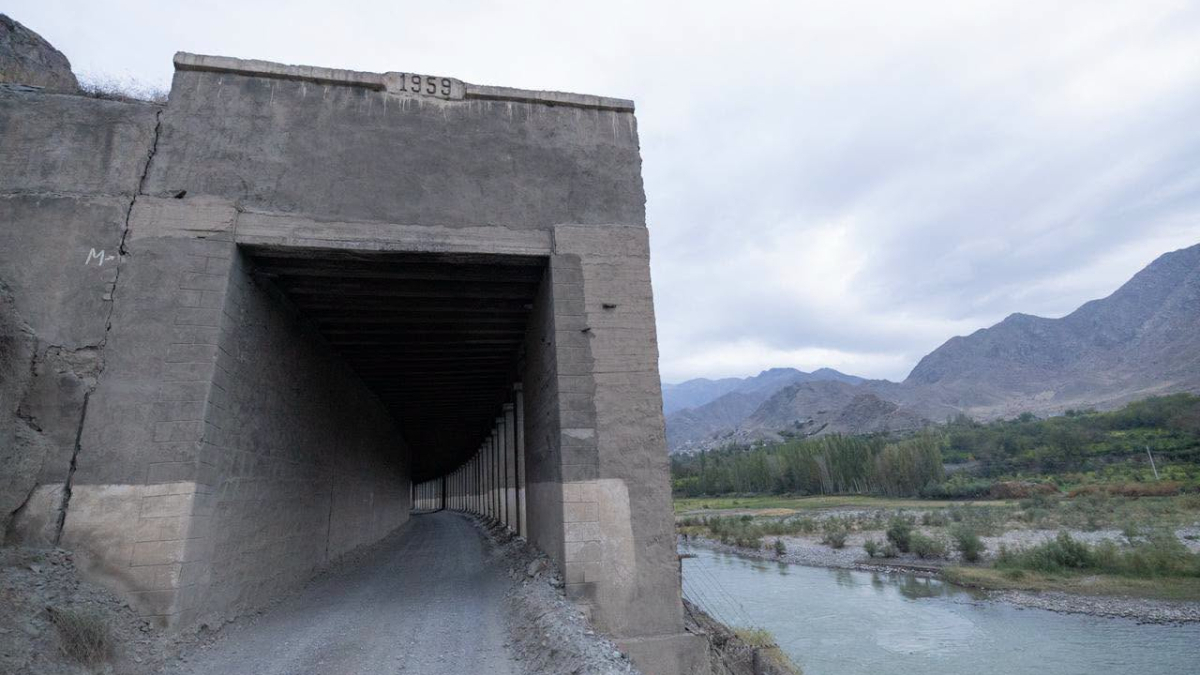
Armenian officials have visited the southern Syunik region to advance plans for a U.S.-backed transit route linking Azerbaijan with its Nakhchivan exclave, although construction is now expected to begin no earlier than 2027.
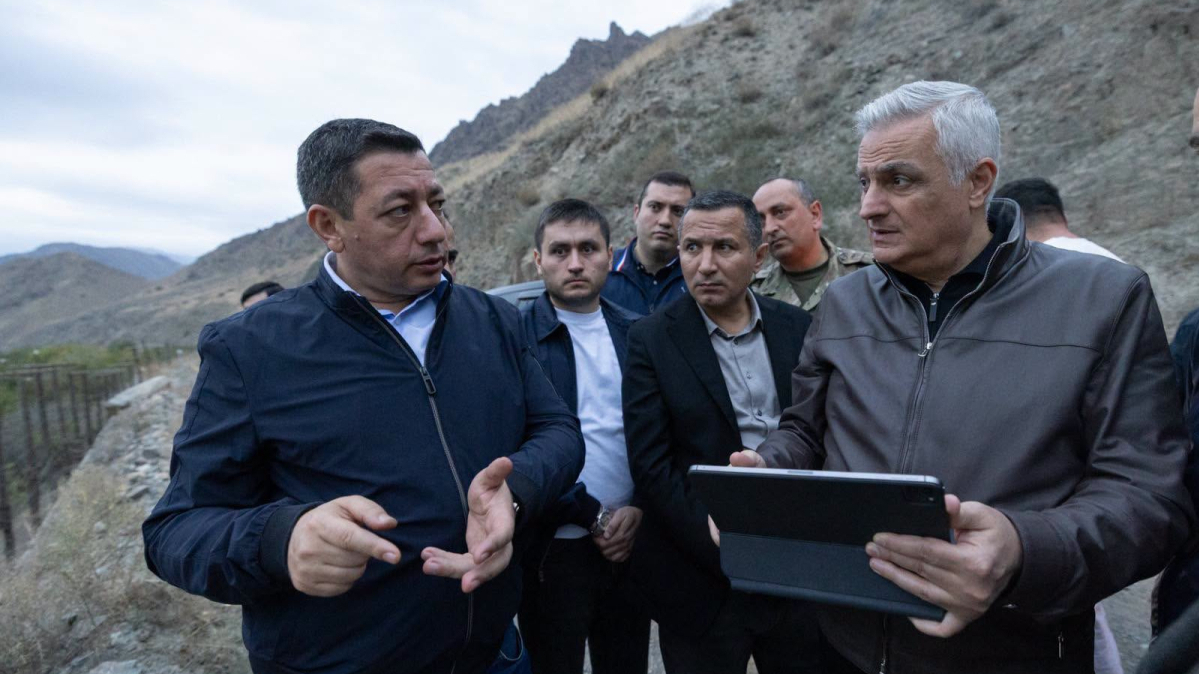
Armenia’s Deputy Prime Minister Mher Grigoryan, Infrastructure Minister Davit Khudatyan and Urban Development Committee Chairman Yeghiazar Vardanyan travelled to the province on Wednesday, according to the Armenian government’s press service, cited by Azerbaijan’s APA news agency.
The officials discussed preparations for design work, on-site arrangements and the next steps for the Trump Route for International Peace and Prosperity (TRIPP).
Construction timeline shifts towards 2027
Armenian Foreign Minister Ararat Mirzoyan has said construction could begin in late 2026 or early 2027, with the latter now considered more realistic.
Land clearing, technical assessments and other preparatory work are already under way.
The revised timeline follows earlier remarks by Armenian Prime Minister Nikol Pashinyan, who had indicated that construction would begin in the second half of 2026.
What is TRIPP?
TRIPP is a U.S.-backed initiative aimed at establishing a commercial transit route through Syunik, connecting mainland Azerbaijan with Nakhchivan and onwards to Türkiye and Europe.
Armenia committed to the project under a joint declaration with Azerbaijan, signed at a White House summit in August 2025.
Technical engineering surveys for the rail connection are under way, while U.S. engineering firm Aecom has participated in discussions with local communities.
Under a framework agreement between Armenia and the U.S., the route is restricted to civilian and commercial use.
Read more from Armenia:

















What is your opinion on this topic?
Leave the first comment