




23:25 CET
Nigeria confirms Ebola case in Abuja
Nigerian health authorities have confirmed a case of Ebola disease in the Federal Capital Territory (FCT)...

Armenia says it will pursue a balanced foreign policy, deepen regional ties and push to institutionalise peace with Azerbaijan under its new government programme.
The Armenian government said it will continue what it calls a “balanced and balancing” foreign policy under its 2026-2031 programme, with regional normalisation and more diversified international partnerships among its key priorities.
The programme, unveiled on Thursday ahead of parliamentary debates, says the approach has helped stabilise Armenia’s external environment. It is designed to prevent imbalances in foreign relations or provide the tools to address them when they arise.
It says Armenia’s foreign policy agenda will also focus on strengthening international trade and economic ties while boosting exports. The programme identifies regionalisation as central to enabling Armenia to live securely and sustainably within its own region without relying on external support.
Yerevan said strengthening relations with Georgia, Iran, Türkiye and Azerbaijan is a key priority.
On Azerbaijan, the government said it will continue working towards the signing and ratification of an Agreement on the Establishment of Peace and Interstate Relations. It also plans to press ahead with border delimitation and demarcation and expand civil society contacts, business ties and bilateral trade.
The programme also pledges to work towards establishing diplomatic relations with Türkiye and opening the Armenia-Türkiye border.
It envisages operating at least two modern border crossing points, restoring and expanding transport, energy and digital infrastructure, and promoting bilateral and multilateral trade.
Armenia plans to maintain an active political dialogue with Iran while expanding trade and economic ties, deepening energy cooperation and developing border infrastructure.
It also intends to expand transport routes through Iran, including the North-South and Persian Gulf-Black Sea links.
With Georgia, the government says it will implement the Declaration on Strategic Partnership while developingpolitical, trade, energy, transport and infrastructure cooperation.
The government says strategic cooperation with the European Union will deepen through full implementation of the Comprehensive and Enhanced Partnership Agreement and alignment with EU standards, building on Armenia’s 2025 law launching the process of EU accession.
It also aims to complete a visa liberalisation action plan for Armenian citizens.
Relations with the U.S. will be deepened under the strategic partnership charter and memoranda signed in August 2025.
The programme says the TRIPP project will move forward, covering at least energy and railway infrastructure and seeking to integrate Armenia more closely into major regional infrastructure projects.
AnewZ has previously covered the U.S.-backed South Caucasus route.
The programme also calls for deeper strategic partnerships with France and China and a transformed and strengthened partnership with Russia under the new conditions of regional peace.
Cooperation with India is also set to expand in areas including the economy, defence, transport, education, culture, healthcare and information technology.
Armenia also plans to further develop strategic relations with the Netherlands, Kazakhstan, Germany, Luxembourg, the United Kingdom, Bulgaria, Croatia and Lithuania.
It intends to expand cooperation within the Eurasian Economic Union and remain active in the UN, Council of Europe, Organization for Security and Cooperation in Europe (OSCE), CIS, La Francophonie and European Political Community.
The programme also says Armenia will continue its work on the Board of Peace initiated by U.S. President Donald Trump and pursue membership of the Shanghai Cooperation Organization.
The government said it would strengthen relations with countries across the Middle East and Africa, forge new ties and gradually expand Armenia’s diplomatic presence abroad and within international organisations.

Nigerian health authorities have confirmed a case of Ebola disease in the Federal Capital Territory (FCT)...
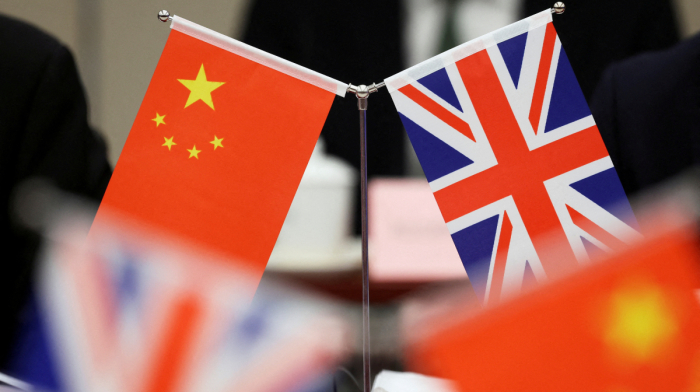
China has lodged a formal diplomatic protest with the UK after British border officials allegedly subjected Chinese travellers to lengthy questioni...
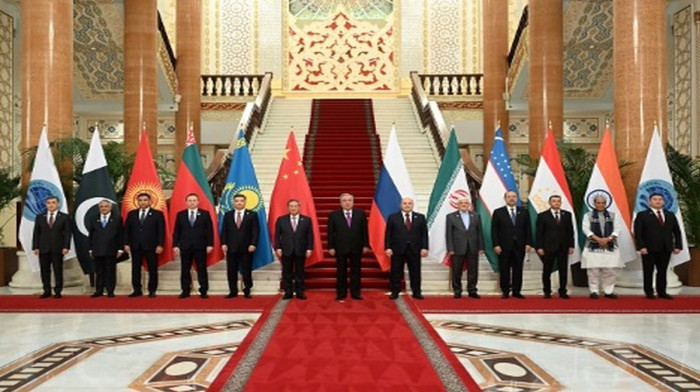
Member states of the Shanghai Cooperation Organisation (SCO) prevented 273 terrorist attacks and more than 3,000 crimes linked to terrorism, separa...
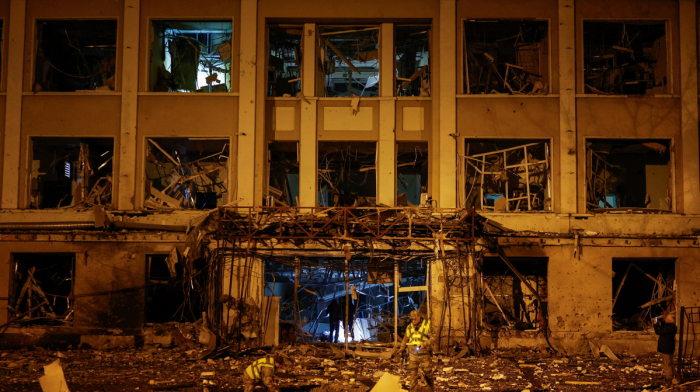
U.S. President Donald Trump has criticised Ukrainian President Volodymyr Zelenskyy for continuing to target Russia's energy infrastructure, while Russian strikes on Kyiv overnight killed at least one person and damaged a metro station.
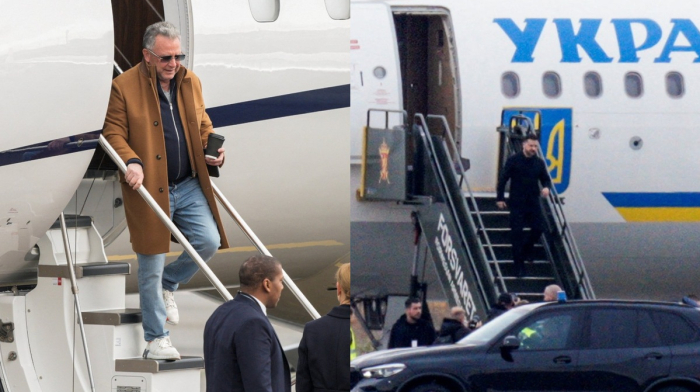
Ukrainian President Volodymyr Zelenskyy has arrived in Norway for talks about the Russia-Ukraine war. He is expected to meet with U.S. President Donald Trump's Special Envoy Steve Witkoff, who arrived in Oslo earlier. Witkoff will also meet European officials.
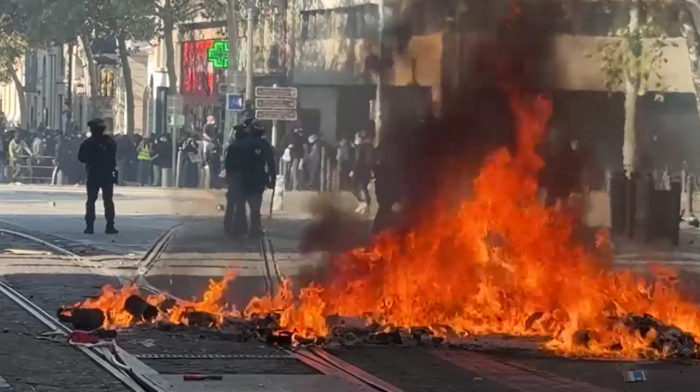
French President Emmanuel Macron has condemned the violence, looting and vandalism that erupted during cost-of-living protests across France. Prime Minister Sébastien Lecornu held crisis talks on Monday, calling for partial curfews and raising the possibility of a state of emergency.
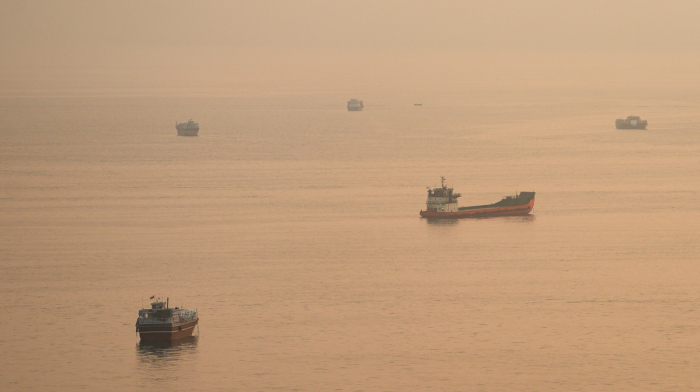
An oil tanker caught fire after striking a naval mine in the southern part of the Strait of Hormuz, Iran’s Islamic Revolutionary Guard Corps (IRGC) Navy said late Sunday.
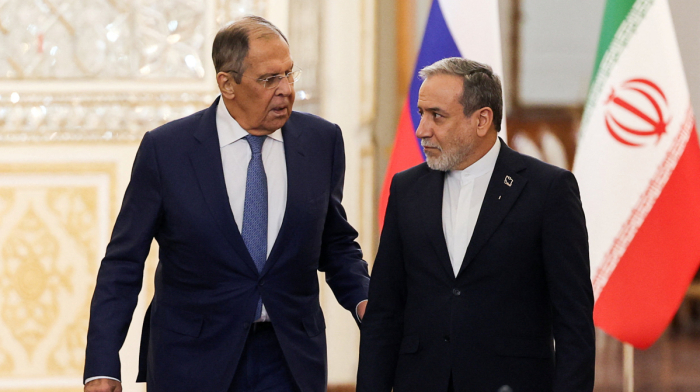
Iranian Foreign Minister Abbas Araghchi said regional issues should be resolved through diplomacy and blamed the United States for insecurity and tensions in the Strait of Hormuz, speaking at a joint news conference with Russian Foreign Minister Sergey Lavrov on Monday.
Member states of the Shanghai Cooperation Organisation (SCO) prevented 273 terrorist attacks and more than 3,000 crimes linked to terrorism, separatism and extremism in 2025, according to the bloc's regional counter-terrorism body.
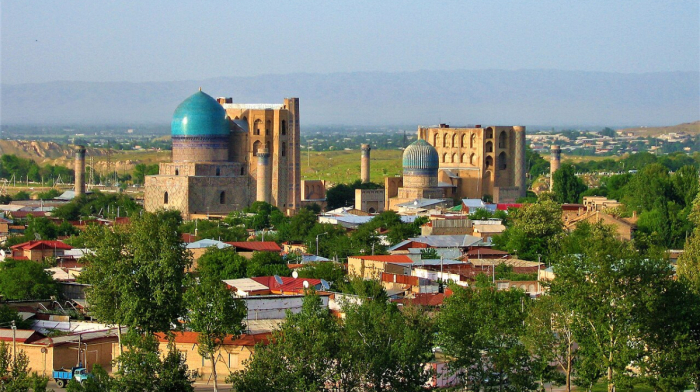
The C5+1 ministerial meeting in Samarkand has strengthened economic ties between the U.S. and Central Asia, with Uzbekistan securing 54 agreements and initiatives worth around $12 billion with U.S. companies and institutions.
Iranian Foreign Minister Abbas Araghchi said regional issues should be resolved through diplomacy and blamed the United States for insecurity and tensions in the Strait of Hormuz, speaking at a joint news conference with Russian Foreign Minister Sergey Lavrov on Monday.
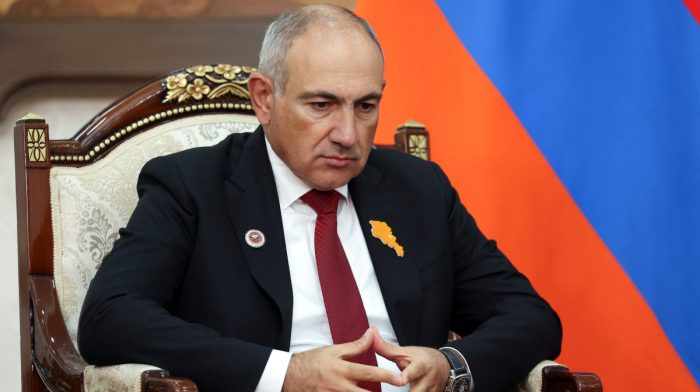
Armenia could face soaring gas prices, a sharp drop in remittances and tighter restrictions on migrant workers if its membership of the Eurasian Economic Union (EAEU) is suspended, according to a new report examining the risks of closer ties with the European Union.
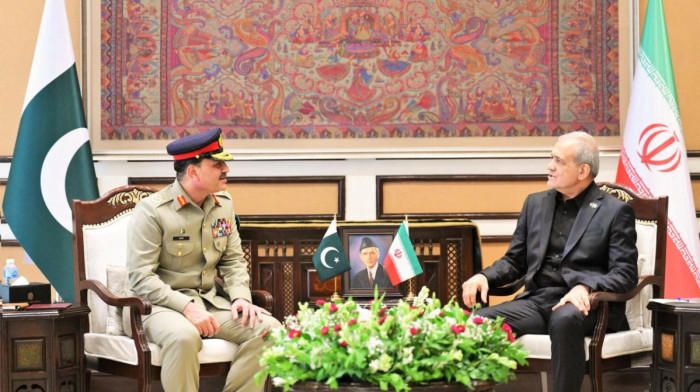
Pakistan’s military chief is heading to Iran for talks as Islamabad pushes for dialogue between Tehran and Washington, while reaffirming its defence commitment to Saudi Arabia and strengthening security ties with Qatar.
You can download the AnewZ application from Play Store and the App Store.




What is your opinion on this topic?
Leave the first comment