Eco Expo Central Asia 2026 drives regional action on climate and water
International organisations, investors, environmental experts and business representatives gathered in Samarkand for the opening of Eco Expo Central A...
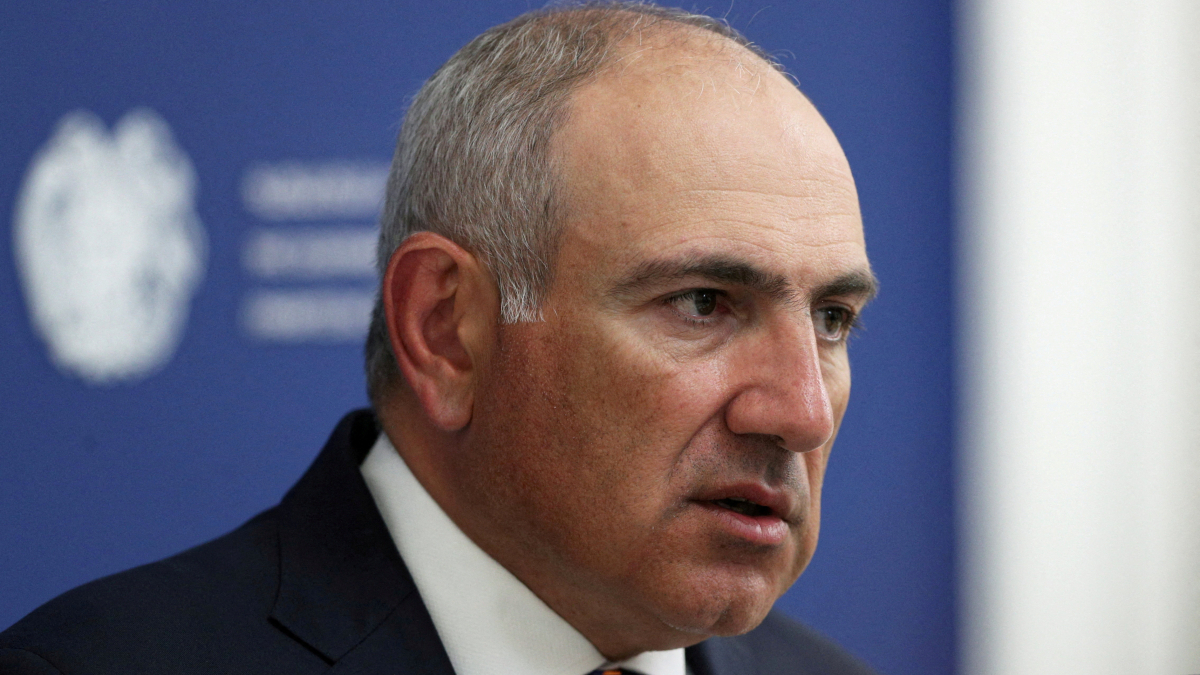
Armenian Prime Minister Nikol Pashinyan has said Yerevan remains committed to normalising relations with Azerbaijan and Türkiye, expressing confidence that decades of regional hostility will eventually give way to lasting stability.
Speaking to local media on Monday, Pashinyan said Armenia remained determined to improve relations with its neighbours despite longstanding political and territorial disputes.
“We will achieve normalisation of relations with both Azerbaijan and Türkiye,” Pashinyan said, according to local media reports.
His remarks come amid ongoing talks between Baku and Yerevan following years of conflict over the Karabakh region, which has long been internationally recognised as Azerbaijani territory.
Armenia-Azerbaijan talks have been accompanied by a separate normalisation effort between Armenia and Türkiye, where bilateral relations have remained strained for more than three decades.
The two countries have never established formal diplomatic relations since Armenia declared independence following the collapse of the Soviet Union in 1991.
In 1993, Türkiye closed its border with Armenia in solidarity with Azerbaijan during the First Karabakh War. Since then, repeated efforts to normalise relations and reopen the border have failed to achieve a lasting breakthrough.
A landmark set of agreements signed in Switzerland in 2009, known as the Zürich Protocols, sought to establish diplomatic relations and reopen the border.
However, the accords were never ratified and ultimately collapsed amid domestic opposition in both countries.
In 2021, a renewed normalisation process was launched following the Second Garabagh War, with Ankara and Yerevan appointing special envoys and engaging in direct talks.
Since then, the two sides have agreed to resume commercial charter flights and open the border to third-country nationals, although full implementation remains pending.
Türkiye has consistently linked broader normalisation with Armenia to progress in the Armenia-Azerbaijan peace process.
Momentum towards reconciliation increased after Azerbaijan regained full control of Garabagh in 2023, reshaping regional dynamics and removing one of the main obstacles to normalisation.

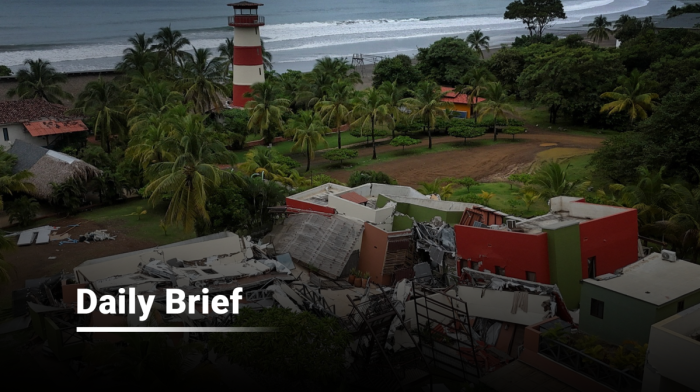
Okinawa lost transport links and suffered widespread power outages on Monday (1 June) as Severe Tropical Storm Jangmi brought destructive winds and heavy rain to Japan's south-western islands.
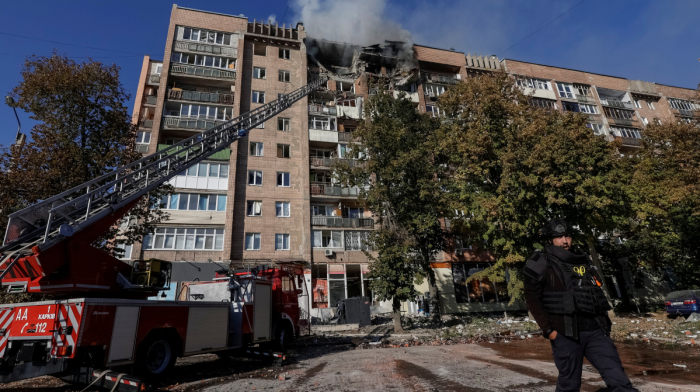
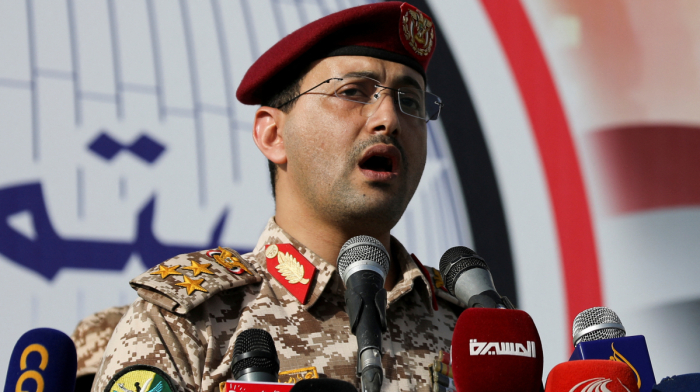
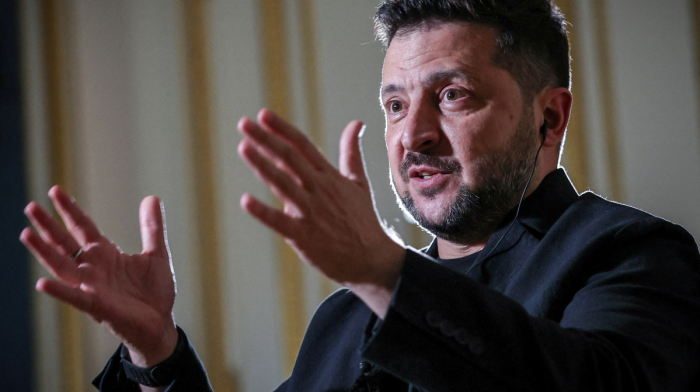
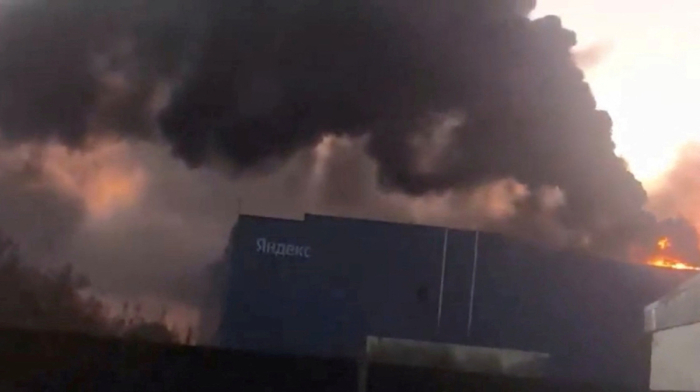
Competing narratives continue to shape perceptions of the war in Ukraine, with Russian leadership suggesting a possible end phase while Ukrainian officials warn of renewed large-scale attacks and ongoing escalation risks.
U.S. Secretary of State Marco Rubio has held talks with Lebanese President and Israeli Prime Minister on efforts to ease tensions between Israel and Lebanon. According to a U.S. official, Washington has proposed a plan aimed at achieving a gradual de-escalation of hostilities.
When Armenians vote on 7 June, they will be voting in an election shaped by months of political change and a rapidly deepening relationship with the European Union. The result may not only determine who governs Armenia but also the future direction of the country's geopolitical alignment.
Unsealed records from the U.S. Department of Justice have renewed scrutiny of lawyer Robert Amsterdam after documents revealed communications between his law firm and Jeffrey Epstein's office. The disclosures have drawn attention because of Amsterdam's prominent role in Armenia.
International organisations, investors, environmental experts and business representatives gathered in Samarkand for the opening of Eco Expo Central Asia 2026, one of the region's largest environmental events focused on green growth, climate resilience and sustainable development.
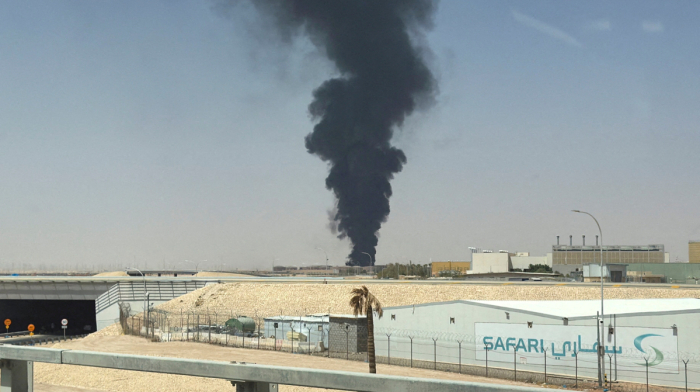
Kazakhstan has restored oil production after an accident at the Tengiz oil field briefly disrupted output last week, while also signalling its readiness to increase crude shipments through the Baku–Tbilisi–Ceyhan (BTC) pipeline.
Baku has once again become a focal point for international energy diplomacy, investment and strategic cooperation, as Baku Energy Week brings together policymakers, industry leaders and investors from around the world.
A launch ceremony marking the commissioning of the modernised Baku-Tbilisi-Kars (BTK) railway line was held at Akhalkalaki station in Georgia on 2 June, bringing together senior officials from Azerbaijan, Georgia and Türkiye.
Baku Energy Week has opened in Azerbaijan, bringing together global energy leaders to discuss energy security, green energy and regional cooperation, underscoring the country's growing strategic role in Eurasian connectivity.
You can download the AnewZ application from Play Store and the App Store.
What is your opinion on this topic?
Leave the first comment