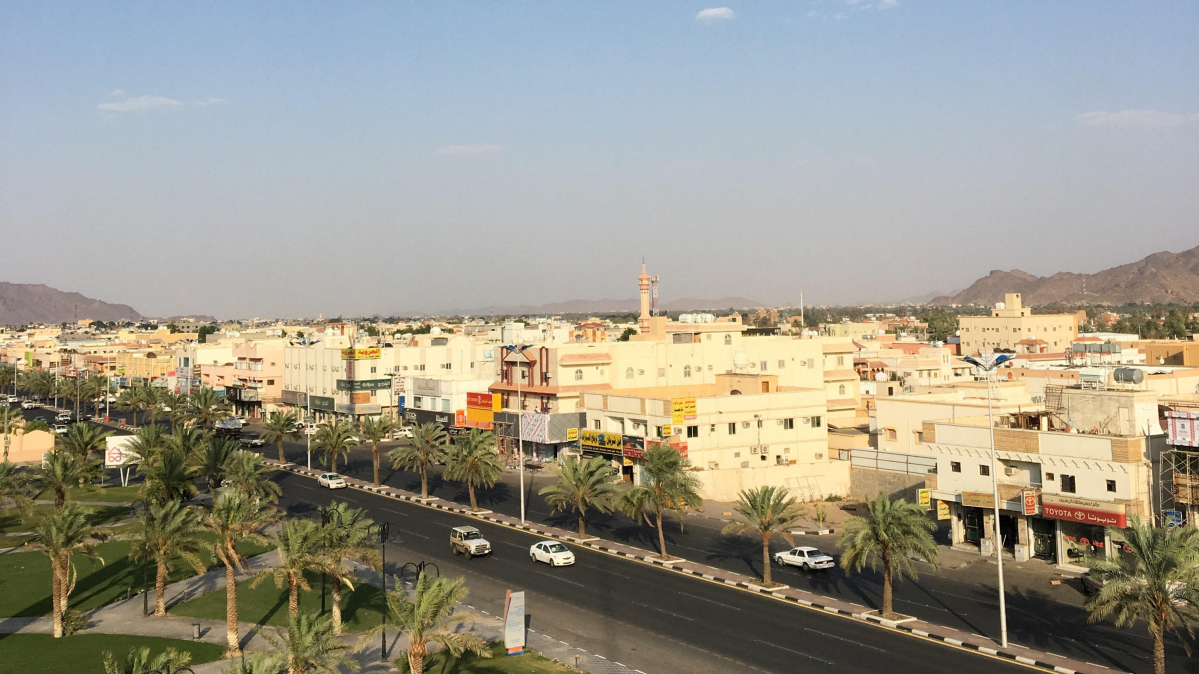
Saudi Arabia has warned of a growing regional security threat after a Houthi attack wounded 11 civilians in the kingdom's southern Najran province, raising fears that further coordinated strikes could follow.
The attack came as Saudi officials said intelligence shared with the United States and other regional partners indicated that Yemen's Houthis and Iran-backed Iraqi militias could be preparing joint attacks on key civilian infrastructure.
According to Major General Turki al-Maliki, spokesman for the Saudi-led military coalition backing Yemen's internationally recognised government, the attack injured seven Saudi nationals, one Yemeni, two Egyptians and one Pakistani.
Among those hurt was a four-year-old child who suffered second-degree burns.
Al-Maliki accused the Houthis of "indiscriminately shelling civilian areas" in breach of international humanitarian law and said the coalition would continue taking "all necessary measures" to protect civilians.
The Houthis and Iran did not immediately respond to the allegations.
Fears of coordinated attacks
A senior Saudi official, speaking on condition of anonymity, said intelligence from Saudi Arabia, the United States and other Middle Eastern countries suggested the Houthis and Iraqi militias, acting under the guidance of Iran's Islamic Revolutionary Guard Corps, were preparing further attacks.
The official said potential targets included energy facilities, ports and airports, adding that the planned operations appeared designed to undermine ongoing diplomatic efforts with Iran.
Despite the warning, the official said mediation efforts were moving "in the right direction" and stressed that Saudi Arabia remained committed to de-escalation.
The official also described security cooperation with Washington as "very high", including coordination with U.S. Central Command, and said the kingdom was prepared to respond to any aggression.
The renewed security concerns come as Saudi Arabia seeks closer defence cooperation with regional partners.
Turkish President Recep Tayyip Erdoğan was expected to arrive in the kingdom on Friday (7 August), while Pakistani Prime Minister Shehbaz Sharif arrived a day earlier. The three countries were due to sign a new defence agreement, although officials have not released details.
Conflict spills beyond Yemen
The attack highlights how Yemen's long-running conflict has become increasingly intertwined with wider regional tensions following the U.S.-Israeli war with Iran.
The Iran-aligned Houthis have stepped up attacks on Saudi military positions, infrastructure and shipping routes in recent weeks.
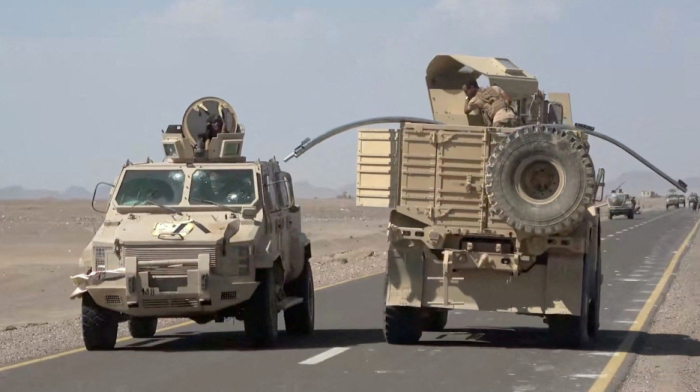
They claimed responsibility for an attack on Najran Airport earlier this week and, on Thursday, said they had launched a major missile and drone assault on Saudi-backed Yemeni forces in Marib and Hadramout, where Yemeni government sources reported more than 30 troops were killed.
Last month, Saudi Arabia said it carried out strikes alongside U.S. Central Command against Iran-backed groups in Iraq after blaming them for drone attacks on Saudi oil facilities. Iraqi militias later vowed to retaliate.
The latest developments underscore growing concerns that Yemen's conflict is becoming part of a broader regional confrontation involving Iran and its allied armed groups.
Read more:


















What is your opinion on this topic?
Leave the first comment