Georgia and Russia have resumed direct official talks, with senior diplomats meeting in Minsk on 19 November to discuss trade, economic cooperation and regional security, despite longstanding tensions between the two countries.
The meeting signals renewed engagement between Tbilisi and Moscow, even as diplomatic ties remain severed and Russia maintains a military presence in Abkhazia and South Ossetia. It has also raised questions about Georgia's approach to relations with Russia.
Talks focus on trade and regional security
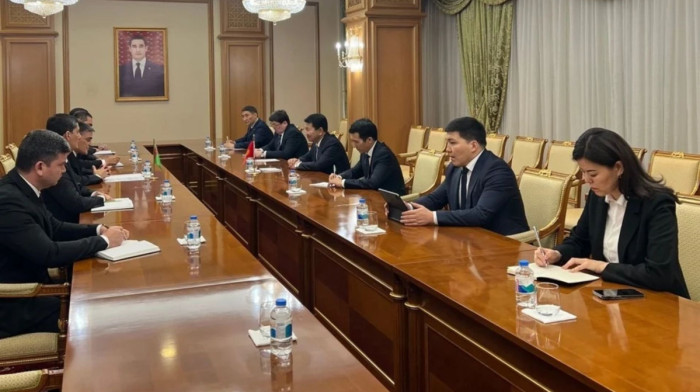
Georgia's First Deputy Foreign Minister Giorgi Zurabashvili, who also serves as the Prime Minister's Special Representative for Relations with Russia, met Russian Deputy Foreign Minister Mikhail Galuzin in the Belarusian capital.
Moscow described the meeting as part of a renewed direct Russian-Georgian dialogue.
According to the Georgian Government Administration, the talks covered economic ties, cultural and humanitarian cooperation, and regional security.
Both sides addressed existing challenges and reached several practical agreements, although details have not been made public.
The delegations agreed to remain in contact, while Georgia stressed that the Geneva International Discussions remain the main forum for addressing unresolved security and humanitarian issues between the countries.
Russia's Foreign Ministry also confirmed the meeting, thanking Belarus for helping organise the talks and signalling its intention to pursue further bilateral engagement.
Why Minsk instead of Prague?
The decision to hold the talks in Minsk rather than Prague has sparked criticism among Georgian diplomats and opposition figures.
Previous meetings under the informal Russian-Georgian dialogue framework were traditionally held in the Czech capital. The move to Belarus, one of Russia's closest political and military allies, has prompted questions about whether Tbilisi is shifting its approach towards Moscow.
The Diplomatic Society of Georgia warned that direct talks without international involvement could weaken Tbilisi's negotiating position. It also questioned the institutional status of the renewed dialogue.
Opposition politicians have raised similar concerns, suggesting that closer political ties could develop without progress on the territorial disputes.
The Georgian government, however, argues that direct dialogue is essential for resolving practical issues, while maintaining that the Geneva International Discussions remain the primary forum for conflict-related matters.
New envoy signals a change in approach
The Minsk meeting came less than a month after Prime Minister Irakli Kobakhidze appointed Giorgi Zurabashvili as his Special Representative for Relations with Russia on 21 October.
The position had been vacant since December 2025. Unlike his predecessor, Zurabashvili also serves as First Deputy Foreign Minister, bringing the role directly into Georgia's senior diplomatic leadership.
Established in 2012, the position formed part of the informal Abashidze-Karasin dialogue, which was designed to maintain practical cooperation on trade, economic relations, cultural exchanges and humanitarian issues despite the absence of formal diplomatic ties.
The appointment of a serving senior diplomat has prompted questions among former Georgian officials about whether the format's mandate and political significance are evolving.
When announcing the appointment, Kobakhidze outlined three priorities: peacefully resolving the conflict with Russia, developing existing economic ties and maintaining humanitarian dialogue.
Diplomatic ties remain severed
Despite the latest talks, the fundamental disputes between Georgia and Russia remain unresolved.
The two countries cut diplomatic ties after the August 2008 war. Moscow subsequently recognised Abkhazia and South Ossetia as independent states, a move rejected by Georgia and most of the international community.
Russian forces remain stationed in both regions, which Tbilisi considers occupied Georgian territory.
The Geneva International Discussions, established after the war, remain the principal international forum for addressing its consequences. Co-chaired by the European Union, the UN and the Organization for Security and Cooperation in Europe (OSCE), the process also involves the U.S.
Representatives from Georgia, Russia, Abkhazia and South Ossetia participate in discussions covering security, humanitarian concerns, displacement and measures to prevent further escalation.
Tbilisi has emphasised that the Geneva process remains central to resolving these disputes, while the Minsk talks were focused on practical bilateral cooperation.
What happens next?
The 19 November meeting has reopened a channel for direct official engagement, with both governments expressing willingness to continue talks.
However, neither side has disclosed the agreements reached in Minsk, leaving questions about what the renewed dialogue will deliver.
For now, the central disputes remain unchanged: diplomatic relations are still severed, territorial disagreements persist and Russian forces remain in Abkhazia and South Ossetia.
Read more:






What is your opinion on this topic?
Leave the first comment