Kazakhstan’s main oil export corridor was disrupted by drone strikes near Russia’s Black Sea coast in July, forcing a temporary suspension of crude loadings and raising fresh concerns over the vulnerability of regional energy infrastructure to the war in Ukraine.
The disruption has continued well beyond the initial attacks. Industry sources say the Caspian Pipeline Consortium (CPC) has repeatedly suspended operations this week due to ongoing safety concerns and a shortage of available tankers, highlighting the lasting impact of the drone strikes.
Although the export route has briefly reopened, loadings remain erratic as shipowners grow increasingly reluctant to send vessels to the area. The uncertainty is already affecting Kazakhstan's oil sector, with output falling in July and CPC Blend crude trading at a steep discount to Brent.
The interruptions have also forced exporters to explore alternative routes, including rail shipments through Georgia's Black Sea ports.
A strategic export route under pressure
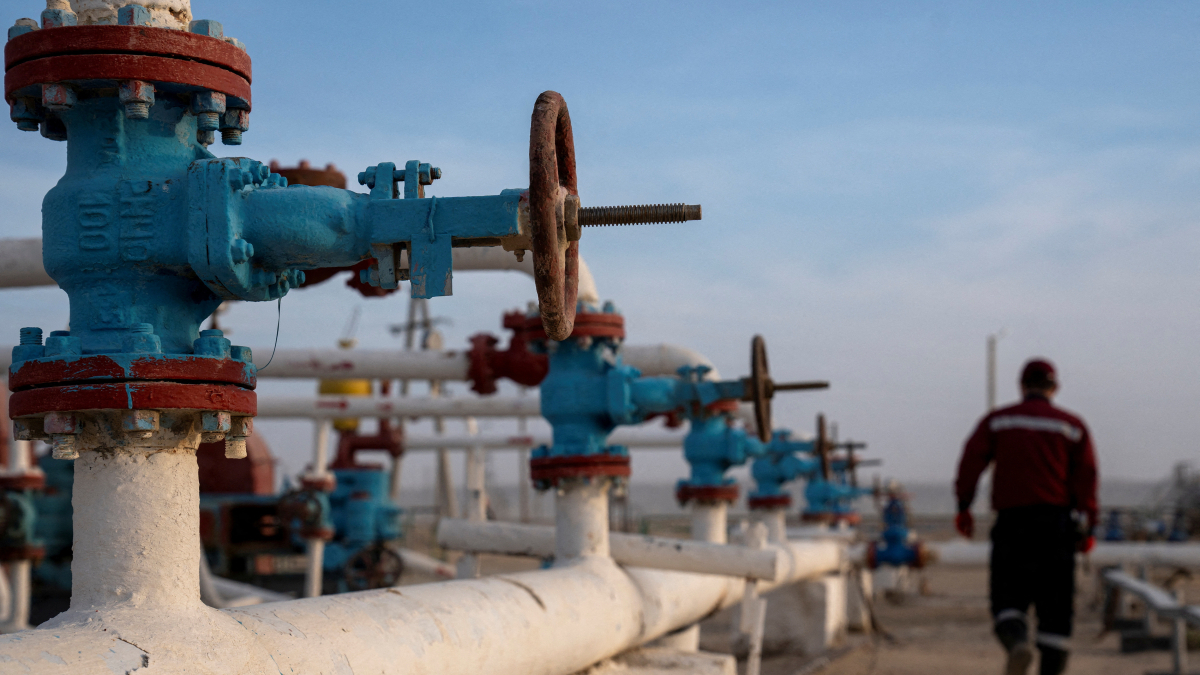
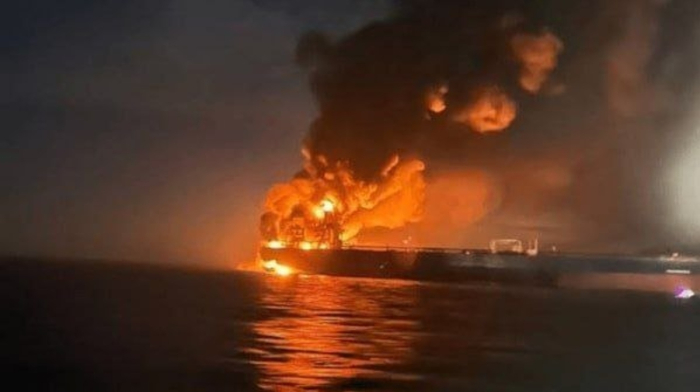
The CPC, which operates the pipeline carrying Kazakh crude to the Russian port of Novorossiysk, suspended loading operations after two tankers came under attack near its terminal facilities.
One vessel, the Marshall Islands-flagged Nissos Sifnos, suffered a fire on deck after being struck while loading oil. Another tanker, the Isle of Man-flagged Marathi, was approaching the terminal when the incident occurred. No injuries were reported.
This shutdown marks the third disruption to CPC operations in July and comes only days after exports resumed following an earlier suspension linked to security concerns.
For Kazakhstan, the incident is far more than a local shipping disruption.
The CPC route carries roughly four-fifths of the country’s crude exports, making it the backbone of an economy heavily reliant on energy revenues. When exports through the pipeline are interrupted, Kazakhstan has limited options for redirecting such large volumes of oil elsewhere.
As one of the world’s leading oil producers and a major supplier to European markets, Kazakhstan depends on the corridor to maintain stable exports and avoid production cuts at its oilfields.
The latest attack highlights how a war being fought hundreds of kilometres away continues to create economic risks for countries that are not directly involved in the conflict.
Shipping reacts immediately
The strikes prompted an immediate response from commercial shipping operators.
Vessel-tracking data showed several tankers that had planned to call at the CPC terminal altered their routes after news of the attacks emerged. Some diverted to other destinations, while others entered holding patterns as operators assessed the security situation.
Such disruptions can quickly ripple through global supply chains, particularly when they affect infrastructure handling millions of barrels of crude each day.
Although the consortium did not provide a timeline for resuming normal operations, the repeated interruptions are likely to heighten concerns among traders and energy companies about the reliability of the route.
International stakeholders affected
The economic impact extends beyond Kazakhstan.
The CPC pipeline was built with substantial backing from Western energy companies and remains a key asset for international investors operating in Kazakhstan’s giant oilfields. Major shareholders include Russia’s Transneft, Kazakhstan’s KazMunayGas and U.S. energy giant Chevron.
The route has long been regarded as one of the most important energy links between Central Asia and global markets. Its strategic importance has attracted growing diplomatic attention in recent weeks, with Kazakh and U.S. officials holding discussions on energy security and the protection of critical export infrastructure.
A balancing act with Moscow and Kyiv
The attacks also place Kazakhstan in an increasingly difficult political position.
Astana has spent the past several years seeking to maintain balanced relations with both Moscow and Kyiv. It has avoided endorsing Russia’s military campaign while continuing to cooperate closely with its larger neighbour on trade and energy.
At the same time, Kazakhstan has expressed concern whenever military activity affects the CPC route, arguing that disruptions threaten its economic interests rather than Russia’s alone.
Ukraine has defended strikes on infrastructure it considers to support Russia’s war effort, but attacks affecting the CPC corridor have repeatedly drawn attention because the pipeline primarily transports Kazakh, rather than Russian, oil.
With alternative export routes unable to handle comparable volumes, each disruption reinforces Kazakhstan’s dependence on a corridor increasingly exposed to the risks of a prolonged conflict.
For now, the latest suspension serves as another reminder that the consequences of the war continue to extend well beyond the battlefield, reaching deep into global energy markets and the economies that depend on them.
















What is your opinion on this topic?
Leave the first comment