Kazakhstan and Kyrgyzstan are facing renewed Western scrutiny after the EU expanded sanctions targeting Russia's supply chains and the U.S. introduced new tariffs affecting trade with Central Asia.
EU expands sanctions list
Kazakhstan and Kyrgyzstan have come under fresh Western scrutiny as the EU tightens export controls and the U.S. introduces new tariffs affecting trade with Central Asia.
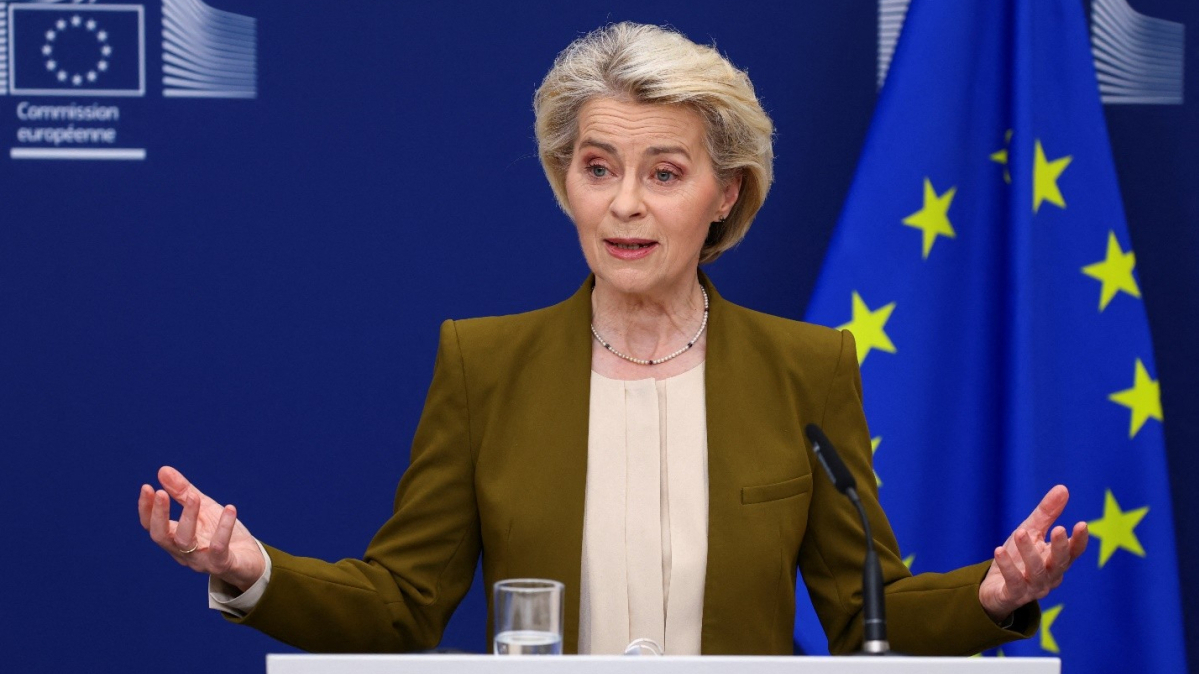
The Council of the European Union approved its 21st package of sanctions against Russia on 23 July, expanding the list of entities subject to tighter restrictions on exports of dual-use goods and advanced technologies. The new measures cover 51 organisations registered in third countries, including Kazakhstan, Kyrgyzstan, China and Hong Kong, as well as India, Türkiye and the United Arab Emirates.
The EU said the companies may be helping Russia circumvent export controls by facilitating access to sensitive goods and technologies. The restrictions focus on microelectronics, computer numerical control (CNC) machine tools and semiconductor manufacturing equipment, which Brussels considers strategically important.
The Council did not disclose the names of the Kazakhstan-based entities or specify how many were included on the updated list, referring only to the countries where the targeted organisations are registered.
The package also includes a ban on transactions with one bank in Kyrgyzstan over its links to Russia's System for Transfer of Financial Messages (SPFS), which Moscow developed as an alternative financial messaging system.
U.S. imposes new tariffs
Separately, the United States imposed additional import tariffs on certain goods from Kazakhstan and 59 other economies. The measures came into force on 24 July.
According to Kazakhstan's Ministry of Trade and Integration, the additional 12.5% tariff applies only to certain categories of goods and excludes products covered by exemption lists issued by the Office of the United States Trade Representative.
The ministry said the measure replaces, rather than adds to, the temporary 10% surcharge that expired before the latest tariffs came into force. It estimates that around 95% of Kazakhstan's exports to the United States will remain unaffected, although it has not identified the products covered by the additional duty.
The ministry added that it continues discussions with the U.S. side to protect the interests of Kazakh exporters and seek mutually acceptable solutions.
The tariffs followed a U.S. review launched in March 2026 into whether 60 countries and economies had effective measures to prevent imports made with forced labour. The review concluded that Kazakhstan was among the countries subject to an additional 12.5% tariff.
Read more:












What is your opinion on this topic?
Leave the first comment