Kenya has confirmed a second case of Ebola, intensifying efforts to prevent the spread of the virus after the country recorded its first-ever infection earlier this month.
The Ministry of Health said the newly confirmed patient is a 39-year-old relative of the first case and had already been placed under quarantine before developing symptoms, including fever, fatigue and joint pain. Officials said the individual was immediately isolated after signs of illness appeared.
Health authorities stressed that both infections are linked and that there is currently no evidence of transmission beyond the known chain of contacts.
The development nevertheless raises concerns in a country that has never before recorded a confirmed Ebola case. Kenya has become the fourth nation to report infections linked to the ongoing Bundibugyo Ebola outbreak in the Democratic Republic of Congo, where more than 9,000 cases and over 4,000 deaths have been reported.
Kenya's first Ebola patient died in a Nairobi hospital on October 5 after travelling from Congo through Uganda before arriving in Kenya.
The case prompted questions about regional border controls after the infected traveller reportedly crossed into Uganda despite restrictions linked to the outbreak.
Health officials have since launched extensive tracing operations. Authorities say they have identified 113 of 128 known contacts connected to the first patient, with 108 people currently in quarantine.
Officials added that five contacts are located outside Kenya and that their respective national health authorities have been informed, while efforts continue to locate the remaining individuals.
Additional assessments are now underway to identify anyone who may have been exposed to the second patient, including healthcare workers and personnel at the quarantine facility.
Screening measures intensified
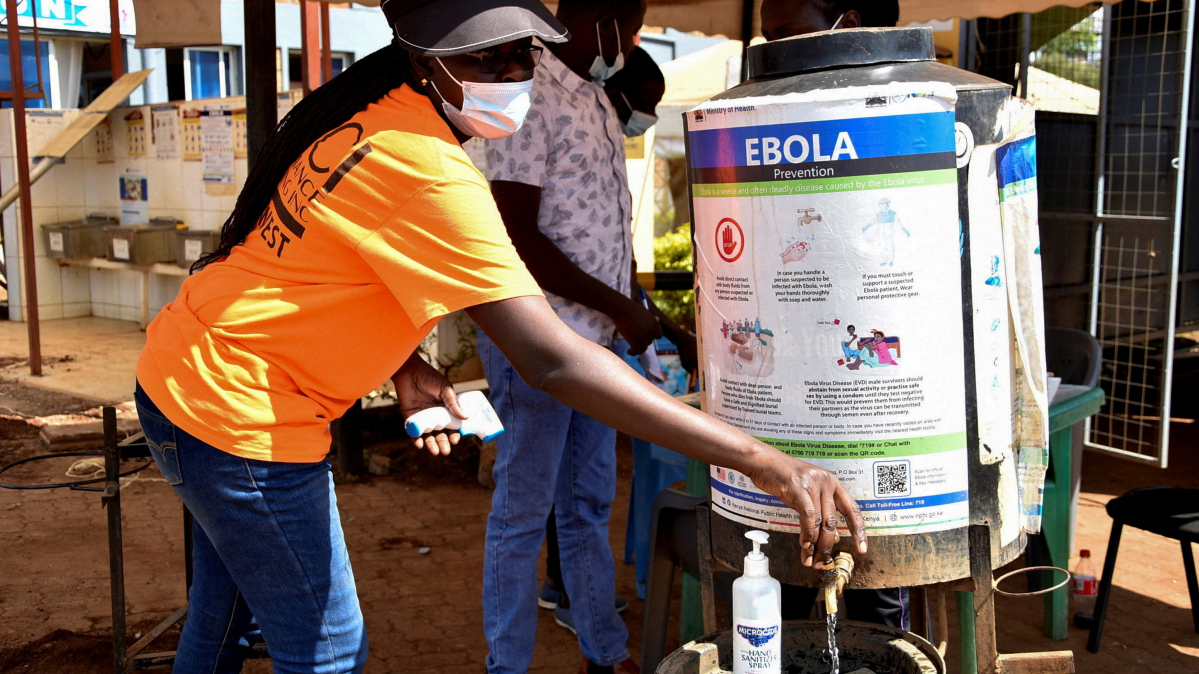
Since the first infection was detected, Kenya has strengthened health screening procedures at Nairobi's Jomo Kenyatta International Airport.
A dedicated screening gate has been established for travellers arriving from Congo and other locations potentially linked to the outbreak.
However, health experts warn that detecting Ebola can be difficult during its early stages because symptoms often resemble other common illnesses. They also note that routine temperature checks can be less effective if travellers have taken fever-reducing medication before travel.
Ebola spreads through direct contact with bodily fluids from infected individuals and can cause severe illness, including fever, vomiting, diarrhoea and, in serious cases, internal and external bleeding.
The current outbreak in Congo is caused by the rare Bundibugyo strain of the virus, for which no approved vaccine or specific treatment currently exists.
Kenyan authorities are urging the public to remain calm while maintaining vigilance as containment efforts continue.
Officials insist that the rapid identification of the second patient, who was already under quarantine, demonstrates that response measures are working as intended. However, the coming weeks will be critical in determining whether Kenya can successfully prevent further spread of the virus.
Read more:


















What is your opinion on this topic?
Leave the first comment