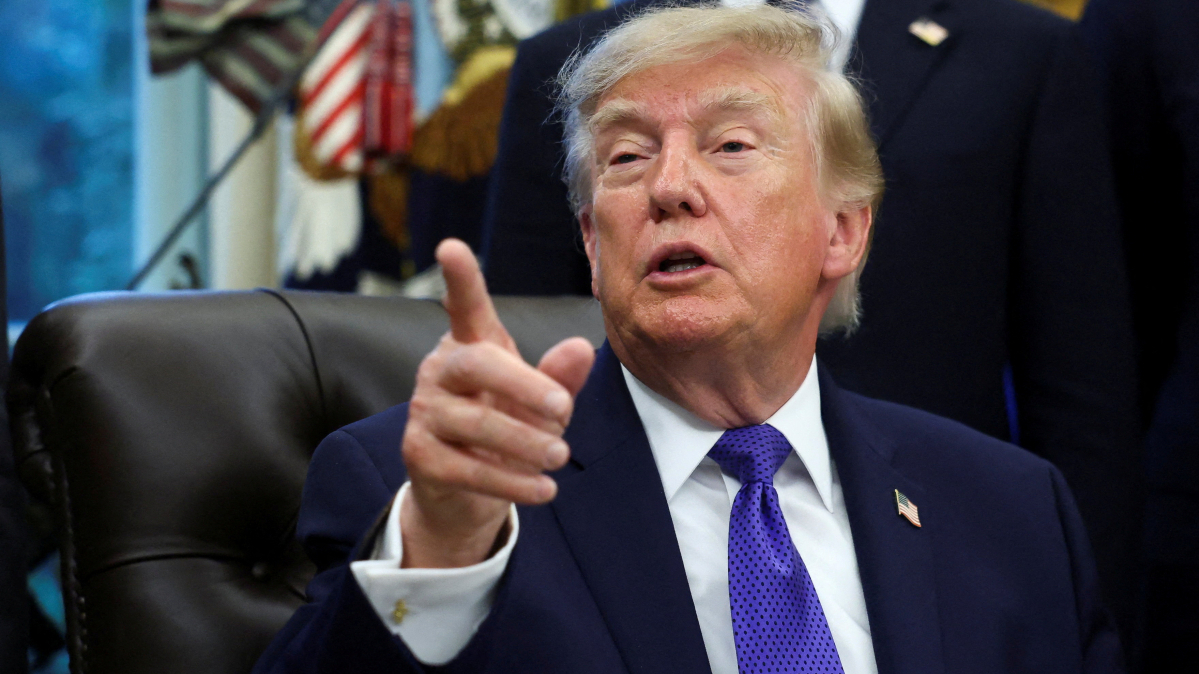
U.S. President Donald Trump has denied reports that he offered Iran sanctions relief and access to frozen funds in exchange for nuclear concessions.
⦿ 23:01 GMT | UPDATE
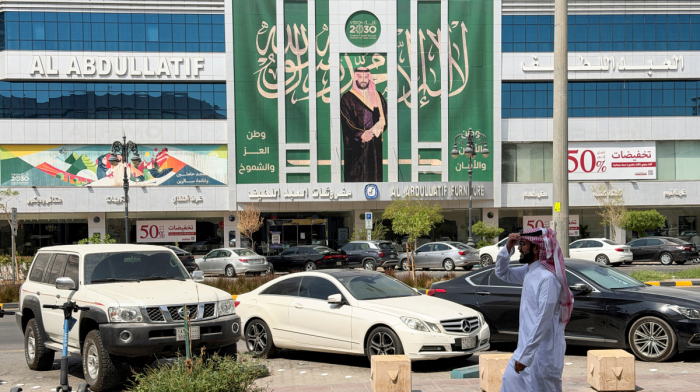
Saudi Arabia denies reports of official meeting with Israel
Reuters
A senior Saudi official on Wednesday denied reports of a meeting between Saudi and Israeli officials during Israeli Prime Minister Benjamin Netanyahu’s recent visit to the United Arab Emirates.
Israeli media reported that Netanyahu had met Middle Eastern officials, including a Saudi official, during his visit to Abu Dhabi on Sunday.
Netanyahu met UAE President Sheikh Mohammed bin Zayed Al Nahyan during the trip, a meeting confirmed by both Israeli and Emirati officials.
⦿ 19:54 GMT | UPDATE
U.S. sanctions 10 over alleged weapons procurement for Iran
Reuters
The U.S. government announced fresh sanctions on Tuesday against 13 individuals and entities, including targets in Russia, China, Hong Kong and Pakistan, accusing them of helping Iran procure weapons and components.
The sanctions, announced by the Treasury and State departments, are part of the Trump administration’s efforts to isolate Iran economically and pressure Tehran to negotiate an end to the war. Treasury Secretary Scott Bessent said Washington would continue to identify and target what he called Iran’s procurement network.
The Treasury said the measures were aimed at limiting Tehran’s ability to rebuild its weapons programmes and increasing the costs for those supporting its procurement efforts.
The targets include an Iranian defence ministry representative based in Beijing, Russia-based aircraft manufacturer Yakovlev and shipping company MG-Flot, as well as Iran-based Saha Airlines.
Security analyst Brett Erickson said the sanctions were unlikely to significantly affect Iran’s ability to launch missiles and drones in the Strait of Hormuz, describing the measures as largely symbolic.
⦿ 19:41 GMT | UPDATE
Qatar lifts nationwide drone ban in designated areas
Reuters
Qatar’s Interior Ministry said on Tuesday that drones would be permitted in designated areas and during specified times, according to a statement.
Qatar had banned the use, operation and launch of drones nationwide in March following the regional crisis stemming from the U.S. war on Iran.
⦿ 13:40 GMT | UPDATE
Iraqi Airways to resume Iran flights in October after securing U.S. exemption
Reuters
Iraqi Airways was preparing to resume flights to Iran in October after securing a special exemption, following a suspension of flights in line with US sanctions restricting services to Iranian airlines.
Iraq's transport ministry said the services would initially operate from the Shi'ite holy city of Najaf.
⦿ 12:30 GMT | UPDATE
Russia says Iran's Bushehr nuclear unit offline for scheduled maintenance
Reuters
Russian state nuclear corporation Rosatom said on Tuesday that the first power unit at Iran's Bushehr nuclear power plant had been taken offline for scheduled maintenance as of 29 September with the participation of Rosatom specialists.
Rosatom, which is building two new units at Bushehr, evacuated hundreds of staff after the United States and Israel launched a war against Iran in February.
“We are now moving in the opposite direction, returning to the site. Eighty people are already working directly on the construction of Bushehr units 2 and 3, and we will continue increasing the workforce,” head of Rosatom, Alexei Likhachev, said.
⦿ 11:30 GMT | UPDATE
Iranians face soaring living costs after seven months of war
Reuters
Seven months of war have sharply increased financial pressure on ordinary Iranians, with many struggling to afford rent, medicine and other basic necessities. Reuters interviews indicate widespread job losses in the private sector, while households are cutting spending and exhausting their savings.
Some residents have left Tehran in search of cheaper housing, while others say they can no longer afford essential medicines or everyday goods. Businesses are also under strain as customers increasingly limit purchases to basic needs. The black market has become more pervasive, with people reporting higher costs for goods, services and unofficial payments.
Economic pressures have also contributed to renewed diplomatic efforts, according to U.S., Middle Eastern and Iranian sources cited by Reuters. It remains unclear, however, how far the worsening economic situation could influence Tehran’s position in negotiations.
⦿ 10:17 GMT | UPDATE
Kremlin says it does not want Iran to quit nuclear non-proliferation treaty
Reuters
Russia does not want Iran to quit the nuclear non-proliferation treaty and counts on it remaining a party to the agreement, the Kremlin said on Tuesday.
Kremlin spokesman Dmitry Peskov was responding to comments from Iranian officials about Tehran's possible withdrawal from the treaty, which commits Tehran not to develop or acquire nuclear weapons.
Russia and Iran have close ties under a strategic cooperation treaty between the two countries.
⦿ 09:00 GMT | UPDATE
Iran says no country in the region will be able to export oil if its exports stay blocked
Reuters
Iran's parliamentary speaker said on Tuesday no country in the region would be able to export oil if the Islamic Republic was prevented from selling its own oil, state media reported.
No regional infrastructure would be safe if Iran had no security, Mohammad Bagher Ghalibaf added, according to the reports.
⦿ 08:10 GMT | UPDATE
Iran's Revolutionary Guards call Trump a 'big liar'
Reuters
Iran's Revolutionary Guards' spokesperson said on Tuesday Donald Trump was a “big liar”, citing the U.S. president's statements on nuclear weapons and other issues.
“The American people need to be told the truth,” Hossein Mohebbi said, adding that the U.S. had failed in its military campaign against Iran and should leave the region.
⦿ 07:38 GMT | UPDATE
Iran says Qatar to convey U.S. response after talks on ideas, IRNA reports
Reuters
Iran discussed ideas with Qatari mediators that will be presented to the U.S. and expects to receive Washington's final response through Doha, Foreign Minister Abbas Araghchi said on Monday, according to state news agency IRNA, as a fresh push is being made to end the war.
Araghchi, speaking in New York, said Iran also informed the U.S. and the international community of the conditions set by its Supreme Leader for reopening the Strait of Hormuz, without detailing them.
“If the Americans claim they are seeking an agreement or a peaceful solution, we have presented that solution,” Araghchi said.
⦿ 06:54 GMT | UPDATE
Trump says no sanctions relief offered to Iran
Reuters
Donald Trump Trump said on Truth Social that the reports were “untrue” and that he had offered Tehran “nothing.” Axios and CNN had reported, citing unnamed U.S. officials, that Washington was prepared to ease sanctions if Iran made concrete progress on its nuclear programme.
The reports came as U.S. and Iranian officials held separate talks with mediators on Monday in an effort to end seven months of conflict. Trump has identified weakening Iran’s nuclear capabilities as one of the objectives of the war. Iran says it does not seek nuclear weapons and maintains that its nuclear programme is intended for peaceful purposes.
Tehran also argues that it has the right to develop peaceful nuclear technology under the Nuclear Non-Proliferation Treaty.
U.S.-Israeli strikes on Iran and Israeli attacks on Lebanon have killed thousands and displaced millions, according to the Reuters report.
⦿ 06:54 GMT | UPDATE
Welcome
Hello and welcome to our coverage.
Follow us for the latest updates on the Middle East conflict.








What is your opinion on this topic?
Leave the first comment