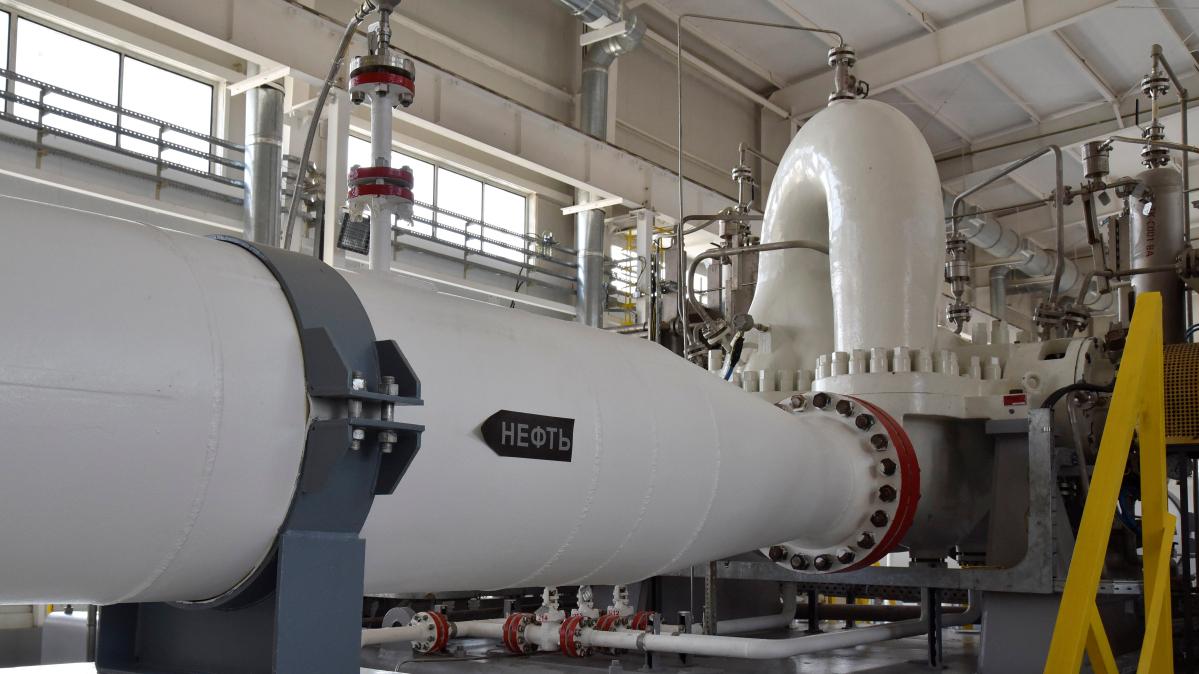
Kazakhstan has resumed oil exports through the Caspian Pipeline Consortium (CPC) after drone attacks disrupted operations at its Black Sea terminal, restoring the route that carries most of the country’s crude exports.
The Caspian Pipeline Consortium has restarted accepting crude from shippers and resumed tanker loading at its marine terminal in Novorossiysk, on Russia’s Black Sea coast, Kazakhstan’s Ministry of Energy said.
Two tankers, Seamajesty and Milos, are currently loading crude supplied by Tengizchevroil at the terminal’s offshore mooring facilities. The ministry said the restart enables oil producers to resume deliveries into the CPC pipeline system and restore export shipments.
Operations will continue in line with security assessments and operational safety requirements. The ministry said it remains in close contact with CPC management, major oil producers and other industry participants to help ensure the uninterrupted transport of Kazakh crude.
Importance of the pipeline
The resumption is significant for Kazakhstan, as the CPC pipeline is the country’s principal export route for crude oil. It transports at least 60 million tonnes of oil each year, accounting for around 80 per cent of Kazakhstan’s total crude exports before reaching international markets via the Black Sea port of Novorossiysk.
Loading operations were suspended after drones targeted vessels in the waters near the CPC terminal. According to the Kazakh authorities, one tanker was preparing to load crude while another was already being loaded when the attacks occurred. The temporary suspension, announced by the Ministry of Energy on 23 July, also led to lower oil production.
Kazakhstan’s Ministry of Foreign Affairs condemned the attacks as an unacceptable infringement on the country’s economic interests and called for an immediate end to strikes on vessels and infrastructure used to export Kazakh oil. The ministry added that Kazakhstan is assessing the damage caused by the incident and reserves the right to pursue remedies available under international law, including seeking compensation for losses.
In the first six months of the year, oil shipments through the Caspian Pipeline Consortium's marine terminal fell to 33.362 million tonnes, compared with 36.025 million tonnes during the same period in 2025, Reuters reported, citing a source.
Read more from Kazakhstan:

















What is your opinion on this topic?
Leave the first comment