India deepens defence, energy ties with UAE during PM Modi visit
India and the United Arab Emirates have agreed on a framework for a strategic defence partnership, according to India’s foreign ministry.
Georgia is positioning itself as a future energy bridge between the Caspian and Europe, backed by major infrastructure plans and growing EU support. But behind the ambitious pitch lies a far more complicated political reality.
Indian drivers face higher fuel costs after state-run fuel retailers raised petrol and diesel prices for the first time in four years by three rupees ($0.03) per litre, equivalent to more than 3%.
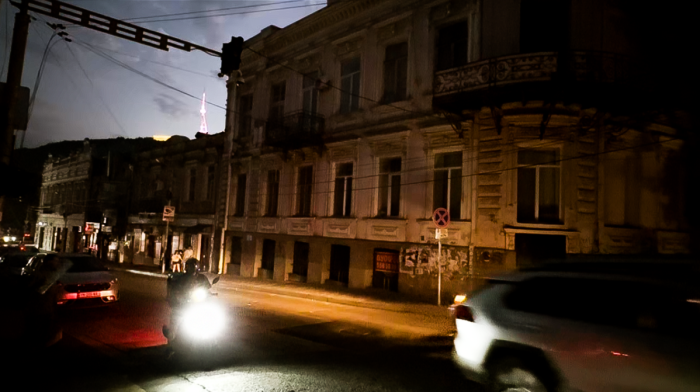
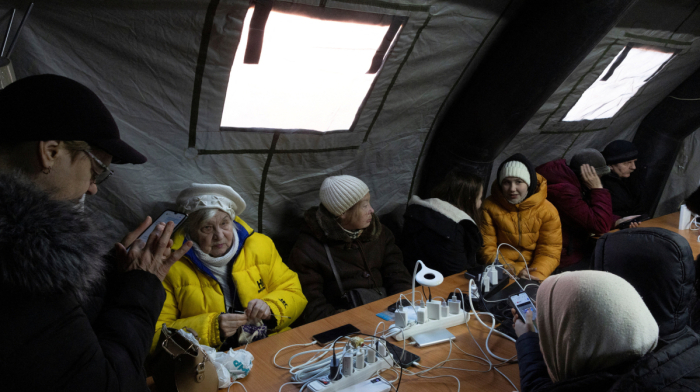
Many developing countries continue to face chronic energy shortages. Frequent power cuts disrupt industries, limit access to healthcare and education, and slow economic progress.
Australia and Japan agreed on Monday to deepen cooperation on energy and critical minerals, as Japan’s Prime Minister Sanae Takaichi met her Australian counterpart Anthony Albanese during a three-day visit.
Profits for worldwide energy company TotalEnergies have risen 41% in three months, as global energy supplies are disrupted after two months of war and oil prices have increased by 3%.
Azerbaijan is expanding its diplomatic and economic footprint amid European energy insecurity and global geopolitical tensions. The Czech Prime Minister’s 27 April visit to Gabala highlighted growing Azerbaijan–Central Europe cooperation, particularly in energy, industry and defence.
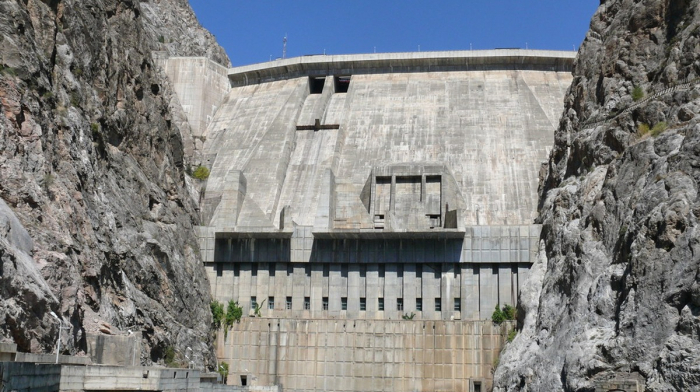
Kazakhstan, Kyrgyzstan and Uzbekistan are advancing one of Central Asia’s largest joint energy projects: the construction of the Kambarata HPP-1 hydropower plant on the Naryn River in Kyrgyzstan, with a planned capacity of nearly 2,000 megawatts.
150 senior leaders from the oil and trade industry met in Baku last week for the second annual Caspian and Central Asia Oil Trading and Logistics Forum, as the world grapples with oil and energy shortages linked to the Middle East conflict.
The European Union adopted its 20th package of sanctions against Russia on Thursday (23 April), introducing sweeping new restrictions aimed at weakening Moscow’s war economy and limiting its capacity to sustain the war in Ukraine.
The European Union is preparing its 20th round of sanctions against Russia over the war in Ukraine. The measures are close to being approved, after earlier delays linked to energy concerns in Slovakia and Hungary eased following repairs to the Druzhba oil pipeline.
Kazakhstan’s Energy Minister Yerlan Akkenzhenov said on 22 April that oil transit from Kazakhstan to Germany via Russia could drop to zero in May, citing unofficial information and pointing to possible technical constraints on the Russian side.
The European Union is considering deeper cooperation with Azerbaijan, including expanded ties in energy, trade and potential support for demining efforts in Garabagh, its foreign policy chief Kaja Kallas has said.
Britain’s government outlined plans on Tuesday (21 April) to reduce household energy bills by encouraging wind and solar producers to adopt long-term fixed contracts.
Serbia and Azerbaijan are accelerating their strategic partnership across energy, transport and diplomacy, amid growing regional and global uncertainty.
European countries should expand the role of natural gas in their energy systems to reduce the risk of supply shocks caused by international crises, an energy industry chief has said.
The current Middle East crisis has already had profound macroeconomic and energy consequences. It also reflects a broader phase of globalisation, where interdependencies can be weaponised for geopolitical purposes.
Russia has signalled it is ready to increase energy supplies to China, underscoring deepening ties between the two powers ahead of an expected visit by President Vladimir Putin.
Economic cooperation could play a key role in advancing the Azerbaijan-Armenia peace process, but persistent trust deficits, political uncertainty in Armenia, and regional geopolitical tensions continue to challenge its long-term sustainability, an analyst said.
While a fragile ceasefire in the Iran war may deliver badly needed relief to economies battered by the world’s worst-ever energy crisis, hopes it will quickly restore normal oil and gas flows from the Middle East are almost certainly misplaced.
Global oil prices rose sharply in early 2026, with Brent crude exceeding $100 per barrel in mid-March after disruptions in the Middle East and heightened risks in the Strait of Hormuz.
Lithuania’s Prime Minister’s visit to Azerbaijan on 9 April signals a deepening strategic dialogue between Baku and European partners. Analysts say economic interests and geopolitical shifts are driving closer engagement.
Some geographies are small on the map yet immense in history. The Strait of Hormuz is one. About a quarter of global oil trade and a fifth of LNG flows pass through this narrow corridor - around 20 million barrels per day sustaining the global system.
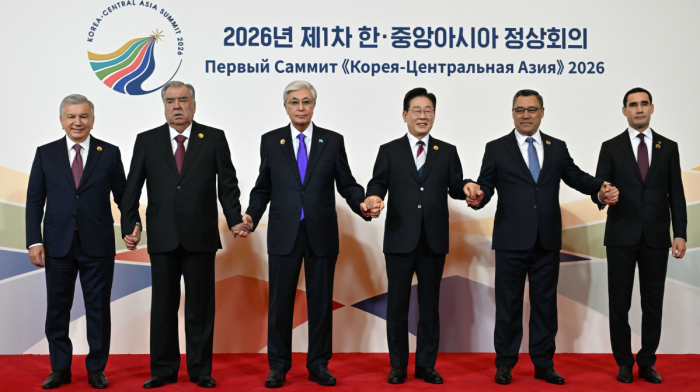
South Korea is seeking alternative oil supplies from Kazakhstan as disruptions in the Strait of Hormuz expose its reliance on Middle Eastern energy routes.
You can download the AnewZ application from Play Store and the App Store.