A village in Indonesia’s Gorontalo province has become a tourist destination for whale shark encounters, bringing new income to local residents but raising concerns about the impact of feeding and frequent human interaction on the endangered species.
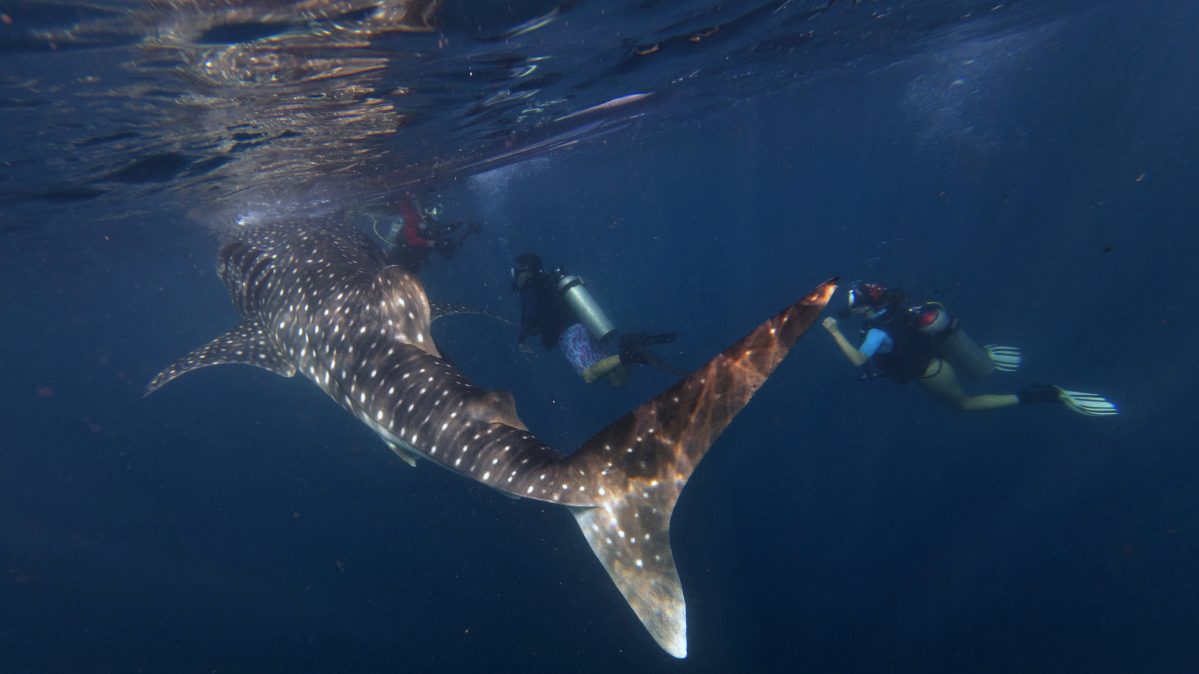
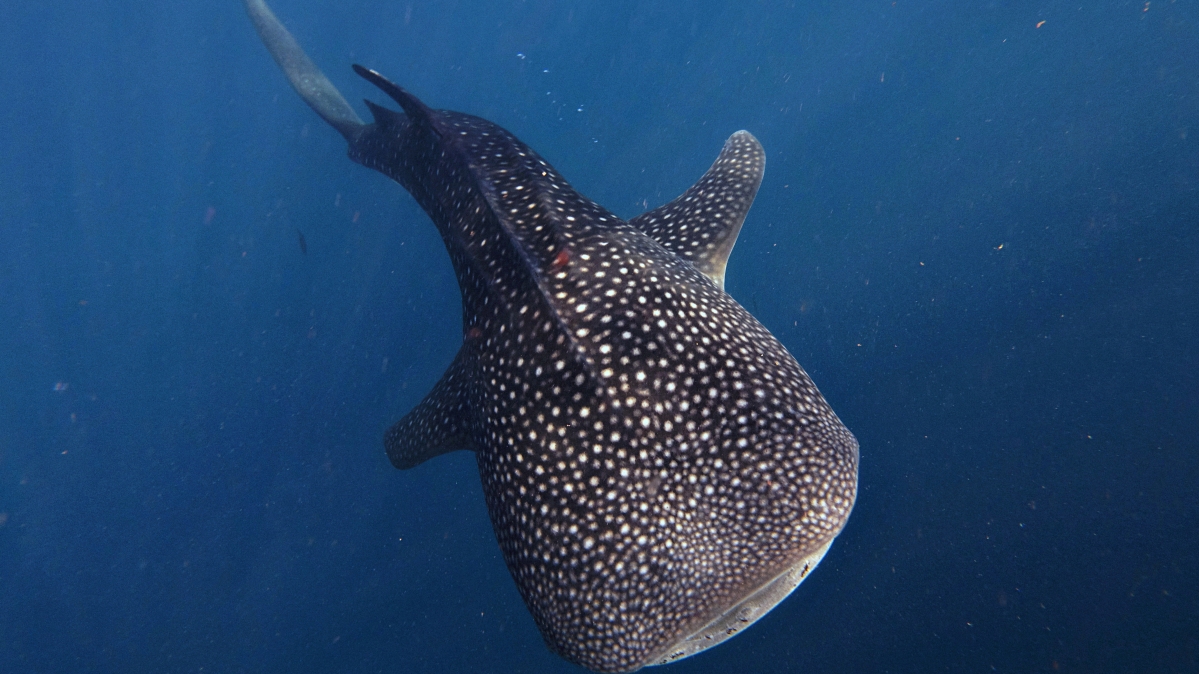
Botubarani, once dependent on fishing as its main source of income, now attracts visitors hoping to see and swim alongside whale sharks, the world’s largest fish.
Among those benefiting is 47-year-old former fisherman Ansar Lasimpala, who now operates a glass-bottom boat.
He earns up to 3 million rupiah ($167) a month, compared with around 400,000 rupiah from fishing. He is one of about 80 villagers earning money through boat rentals, diving services and drone operations.
The village gained wider attention in 2016 after videos showing around a dozen whale sharks together went viral on Facebook. Although residents say the animals have appeared off the coast for decades, the posts helped turn Botubarani into a tourism destination.
Visitors travel to the area specifically to see the animals. Dutch tourist Renee Westerbeek, 55, said he had chosen Gorontalo for the opportunity to snorkel with them.
Locals call the whale sharks “Serli”, short for the Indonesian expression sering terlihat, meaning “often seen”.
Sukirman Tilahunga, head of a monitoring team established by the fisheries ministry, said the waters off Botubarani provide a feeding ground for whale sharks throughout their life cycle.
The animals commonly seen near the village are young males measuring between four and six metres. Whale sharks can live for up to 100 years and grow to around 18 metres.
Tourism growth raises conservation concerns
Despite the economic benefits, conservationists warn that frequent feeding and tourist interactions could disrupt the animals’ natural behaviour and pose health risks.
Environmental group Konservasi Indonesia estimates that 699 whale sharks remain across the eastern islands of the Indonesian archipelago. The species is classified as endangered.
Authorities have been trying to reduce feeding activities, which are not permitted under existing regulations. Sukirman said whale sharks visit the area because food is naturally available in the waters.
He has also developed a solar-powered marine attractor that uses light to draw plankton and small fish, providing a natural food source for the animals.
However, Iqbal Herwata Putra of Konservasi Indonesia said further measures were needed, including a formal code of conduct for tourism operators.
“If interactions take place from morning to evening, how can these whale sharks continue their normal activities?” he said.
Read more:






















What is your opinion on this topic?
Leave the first comment