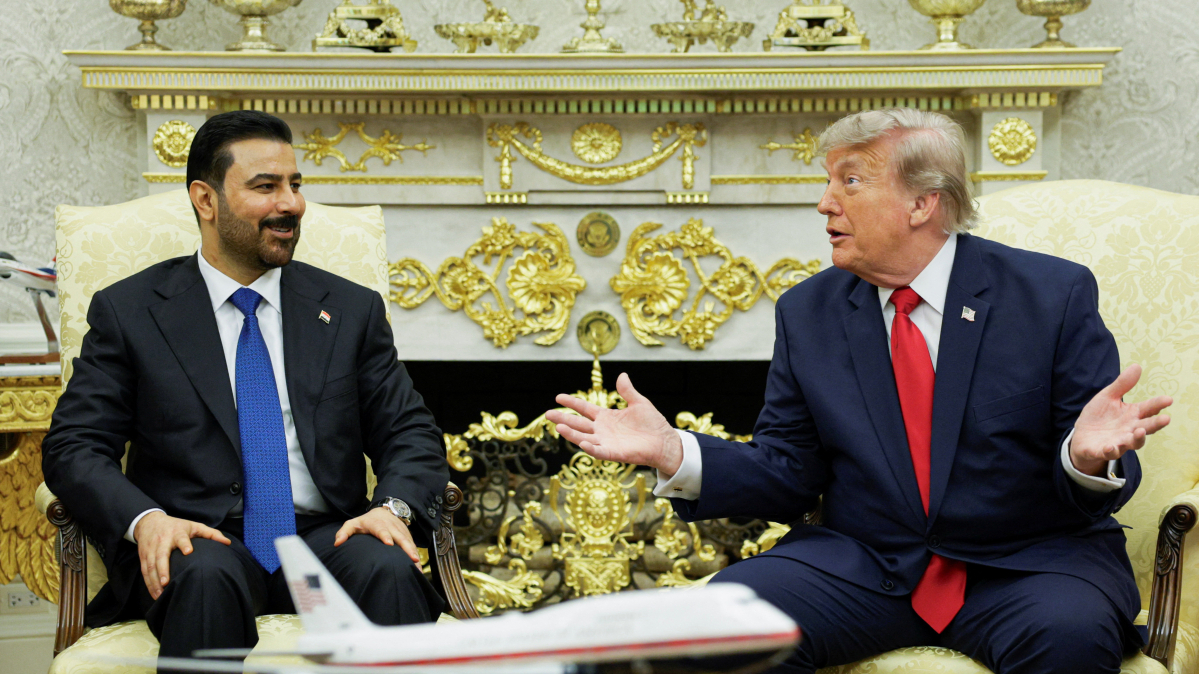
U.S. President Donald Trump has backed Iraqi Prime Minister Ali al-Zaidi’s efforts to strengthen government control across the country, curb oil smuggling, stamp out corruption and bring armed groups under state authority.
Trump’s backing comes as Zaidi moves to bring oilfields, border crossings and weapons under federal authority, putting his government at odds with powerful Kurdish authorities and Iran-backed militias.
“We support Iraqi Prime Minister Ali al-Zaidi’s efforts to assert state authority throughout Iraq, stop the smuggling of Iraqi oil, end corruption, and bring all weapons under the exclusive control of the state,” Trump said in a post on Truth Social on Friday (27 November).
Oil smuggling dispute
Trump’s comments came shortly after Iraqi government spokesman Haider al-Aboudi said Baghdad considered any crude oil exports that bypassed the State Organization for Marketing of Oil (SOMO) to be smuggling.
According to the state news agency, Aboudi estimated that Iraq had lost around $100 billion through oil smuggling in the Kurdistan region between 2008 and 2025. However, he did not explain how the figure was calculated.
Iraq relies heavily on oil revenues and is seeking foreign investment to support its struggling economy. Baghdad sees tighter control over oil exports as key to protecting public finances.
Tensions with Kurdish authorities
On Thursday (26 November), Iraq closed two border crossings in the Kurdistan region, one with Syria and another with Iran, after Zaidi ordered federal authorities to take control of crossings managed by the semi-autonomous region.
The move sparked protests, with thousands of Kurds demonstrating against plans to place oilfields under federal control and deploy government troops along international borders.
The Kurdistan Regional Government rejected what it described as the military language and threats used by Baghdad. However, it expressed willingness to work with federal authorities to combat corruption and oil smuggling.
Iran-backed militia also in focus
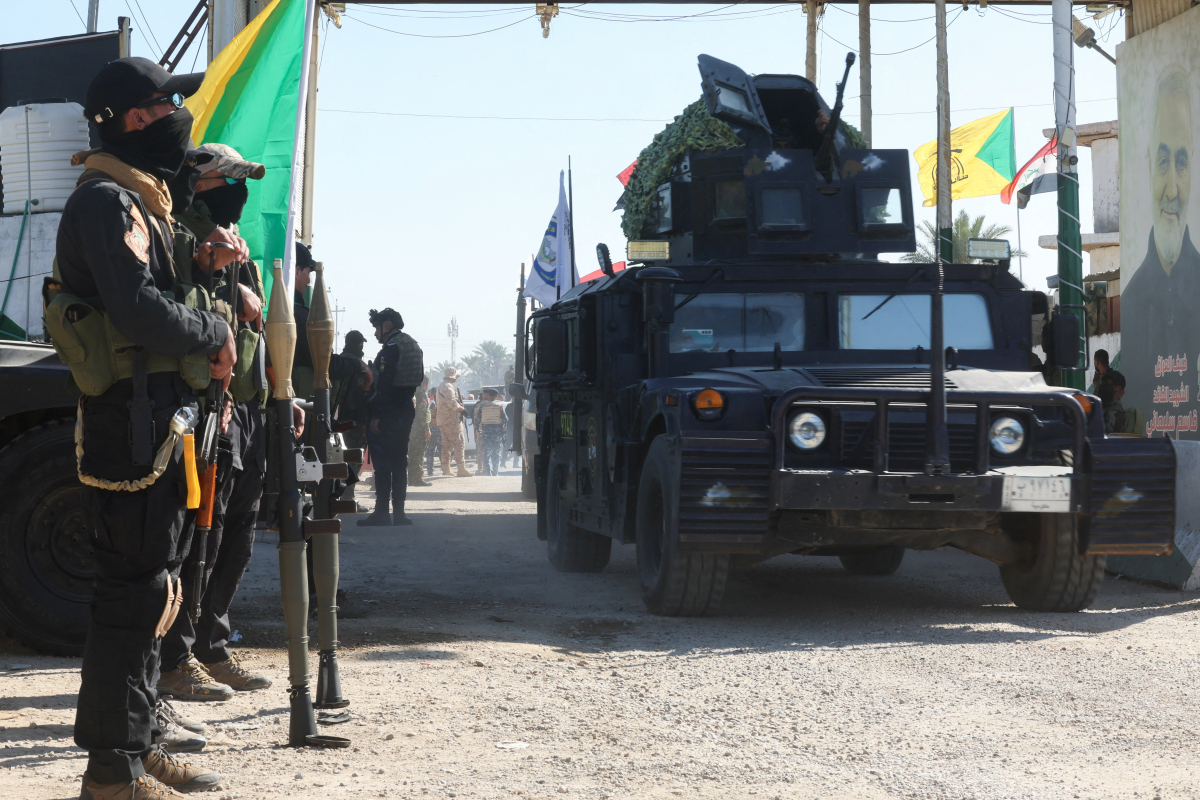
Zaidi also faces resistance from Iran-backed armed groups. Just a week earlier, he ordered the army to prepare to enter Jurf al-Sakhar, south of Baghdad, where the government accuses the Iran-backed militia Kataib Hezbollah of running an oil-smuggling operation.
The group initially resisted the move but later agreed to allow government troops into the area.
Iraq’s highest court ruled on Wednesday (25 November) that federal forces could be deployed along all international borders, including those in the Kurdistan region, giving Zaidi legal backing for his plans.
A difficult test for Baghdad
Zaidi, a 41-year-old businessman who took office six months ago following a political compromise, now faces the challenge of enforcing the measures against powerful groups with deep roots in Iraq’s political and security institutions.
Relations between Baghdad and the Kurds have long been strained by disagreements over oil revenues, territory and trade. Although tensions have eased in recent years, control of the country’s energy resources remains a major source of friction.
Zaidi’s push to reassert federal authority could reshape Iraq’s internal balance of power. Whether Baghdad can turn its plans into lasting change, however, remains uncertain.
Read more:












What is your opinion on this topic?
Leave the first comment