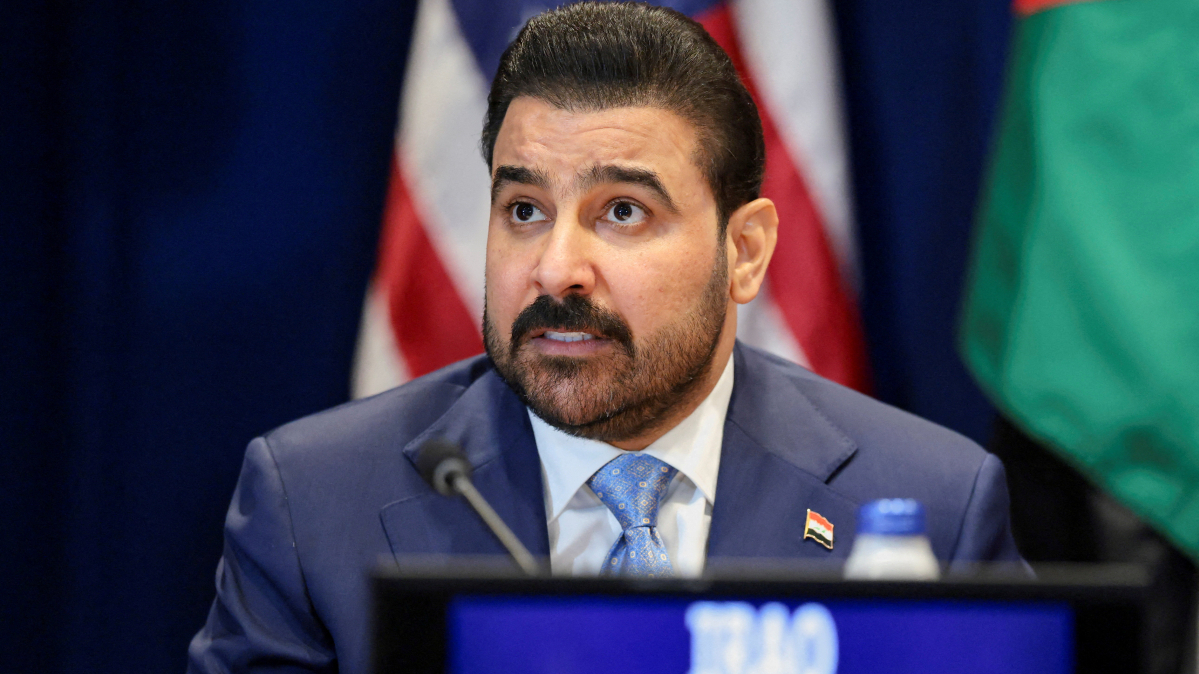
Iraq's Prime Minister Ali al-Zaidi has ordered federal authorities to take control of oilfields and border crossings in the semi-autonomous Kurdistan Region, risking a fresh confrontation between Baghdad and Kurdish leaders.
In response, the prime minister of Iraq's Kurdistan Region said on Tuesday that the federal government's decision to centralise control over oilfields and border crossings was “in no way acceptable”, according to the Kurdish news agency Rudaw.
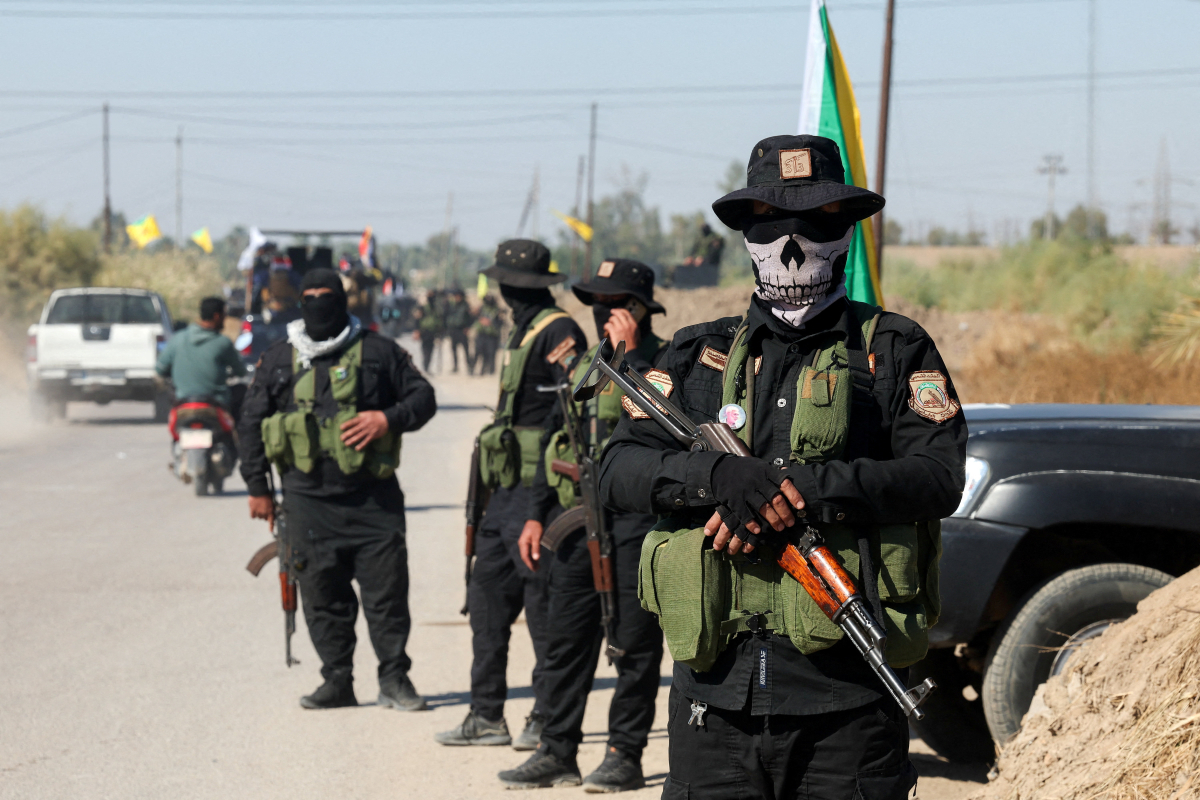
The decision comes as Zaidi intensifies a crackdown on an alleged oil-smuggling network worth hundreds of millions of dollars, reportedly involving senior officials and the powerful pro-Iranian militia Kataib Hezbollah.
Baghdad tightens control over oil and borders
Under the directive announced on Tuesday, 24 November, the federal energy ministry is to manage oilfields in Diyala, Kirkuk, Salahuddin and Nineveh provinces, including areas currently under Kurdish security control.
Three people familiar with the matter said the order appeared to cover Khormala, a major oilfield under Kurdish management. However, Kurdish officials are expected to resist any attempt by Baghdad to seize control.
Zaidi also ordered Iraq's border crossings authority to assume control of all crossings in the Kurdistan Region, which shares borders with Türkiye, Iran and Syria.
The prime minister also instructed the Kurdistan Regional Government to approve exports of crude oil and petroleum products only through the federal oil ministry.
His office defended the measures, saying they were based on the principle that “national sovereignty is indivisible” and describing the protection of Iraq's resources as “a battle for survival”.
Oil-smuggling investigation puts militia under pressure
The orders follow an investigation into alleged large-scale oil smuggling at the state-run North Oil Company, which oversees oil and gas fields in northern Iraq.
The probe implicated senior officials and a network accused of generating hundreds of millions of dollars from stolen oil over several years.
Kataib Hezbollah, one of Iraq's most powerful pro-Iranian armed groups, rejected the findings. The militia wields significant political and military influence and is among several Iran-backed factions accused of operating with limited government oversight.
Zaidi has also dismissed the head of the border crossings authority and suspended the director general of the North Oil Company, along with his deputies, pending further investigations.
Long-running tensions with Kurdish authorities
Relations between Baghdad and the Kurdistan Region have been strained for years, particularly over control of oil revenues, territory and border security.
Tensions escalated in 2017 when Kurdish authorities held an independence referendum that drew strong opposition from the Iraqi government and neighbouring countries. Baghdad responded by retaking Kirkuk and other disputed territories, dealing a major blow to Kurdish ambitions for greater autonomy.
A separate dispute over independent Kurdish oil exports halted pipeline shipments to Türkiye for more than two years. Exports resumed in September 2025 after the two sides resolved the dispute.
Political analyst Hamza Mustafa warned that the latest orders could trigger another constitutional dispute, as Iraq still lacks a comprehensive oil and gas law.
“The Kurdistan region may use the absence of an oil and gas law as a pretext for refusing to hand over the oil wells,” he said, adding that the measures could spark a political and constitutional debate over their implementation.
Read more:














What is your opinion on this topic?
Leave the first comment