The European Commission has proposed its 22nd sanctions package against Russia, targeting banks, cryptocurrency platforms and Russian athletes competing under their national flag at sporting events across the European Union.
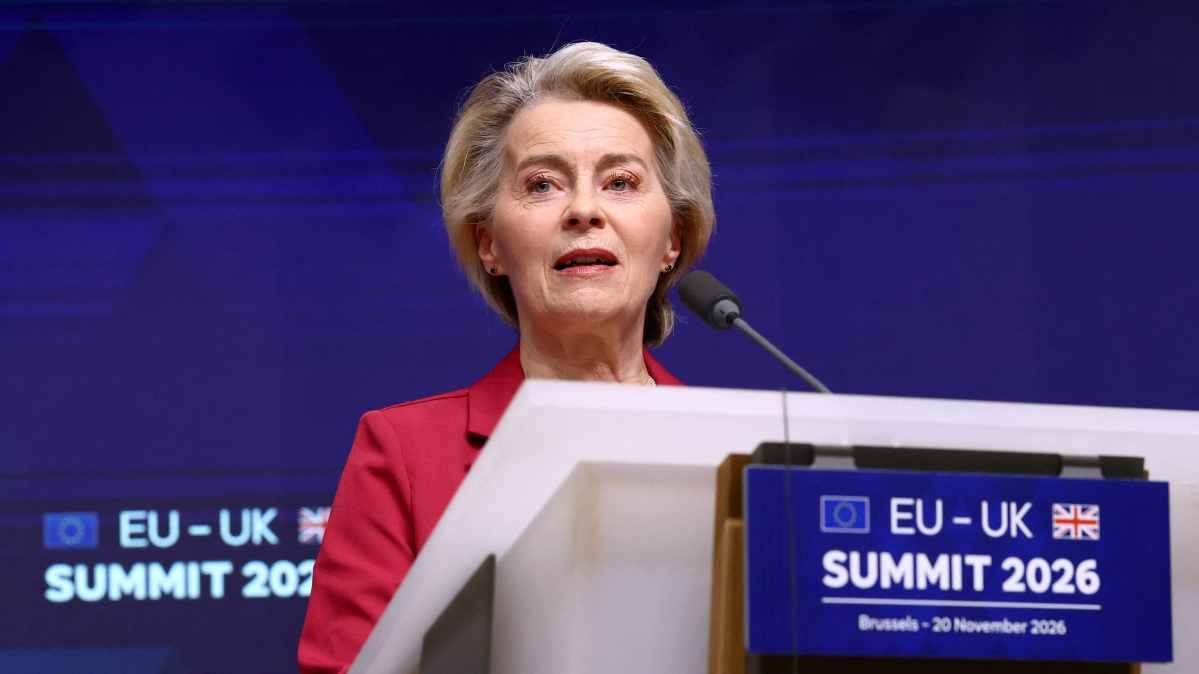
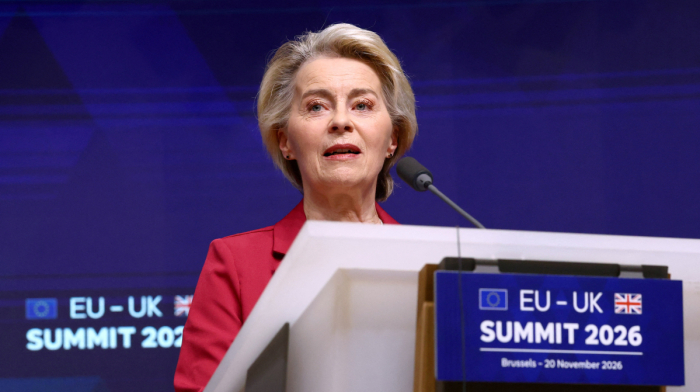
European Commission President Ursula von der Leyen unveiled the measures on Monday as part of broader efforts to curb Moscow’s ability to finance its war in Ukraine and limit Russian influence in European sport and culture.
“We are striking harder at Russia’s ways to finance its war, by targeting its banks and crypto platforms,” von der Leyen wrote on X, adding that the EU will be “shutting the door to its participation in European sports and cultural events”.
Tightening financial restrictions
Under the proposals, 60 banks would be disconnected from the Society for Worldwide Interbank Financial Telecommunication (SWIFT), a messaging system that facilitates international payments.
The measures seek to intensify economic pressure on Moscow, nearly five years after Russia launched its full-scale invasion of Ukraine.
Von der Leyen also announced the creation of a cryptocurrency sanctions task force to prevent third countries from helping Russia circumvent existing restrictions.
Visa restrictions for Russian veterans
The European Commission has also proposed a visa ban on Russian nationals who fought in the war in Ukraine, citing security concerns.
“Russian ex-combatants pose a security risk to Europe. They cannot be allowed to wander freely across our countries,” von der Leyen said.
Restrictions on sport and culture
The package would restrict financial contributions from Russian sponsors to sporting and cultural organisations based in the EU.
Russian nationals would also be barred from holding leadership positions in the governing bodies of sports federations.
Unanimous approval needed
The proposed sanctions require unanimous approval from all 27 EU member states before they can enter into force.
The latest measures follow the bloc’s largest sanctions listing against Russia, which targeted around 1,600 Russian officials and companies linked to its arms industry.
The EU has already sanctioned more than 4,200 individuals and entities, including Russian President Vladimir Putin and several energy companies.
Read more of the latest news:











What is your opinion on this topic?
Leave the first comment