U.S. Treasury to broaden scope of secondary sanctions on Iran
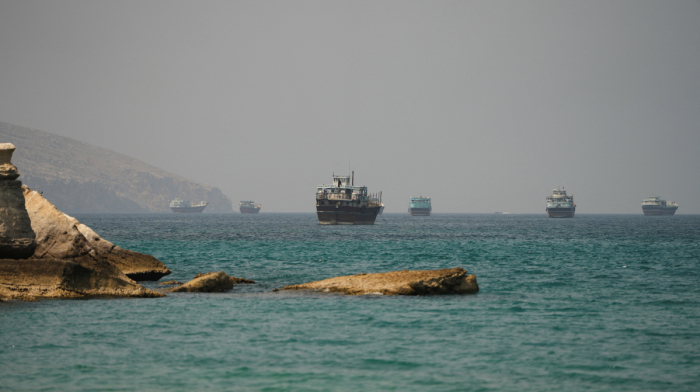
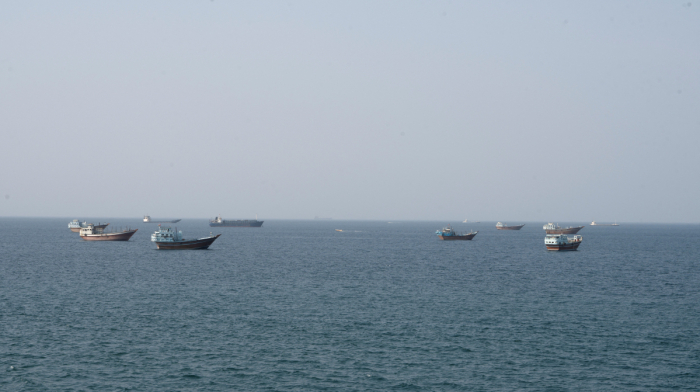
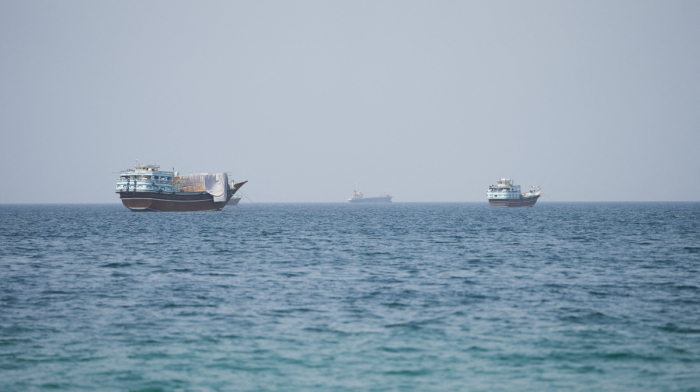
Only four commodity vessels crossed the Strait of Hormuz on Sunday, following 13 transits a day earlier, as disruptions continue to restrict traffic through the key energy chokepoint.
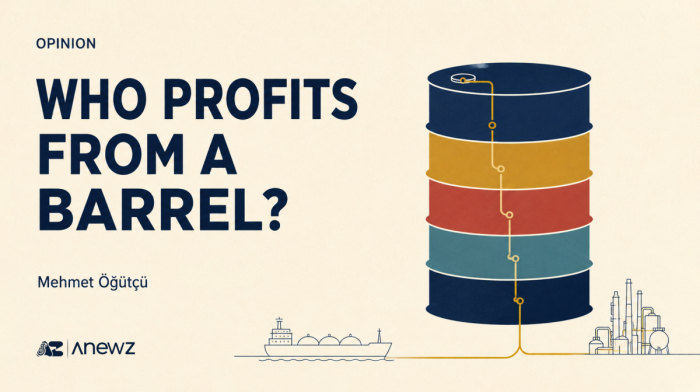
In oil trading, the money is not only in the barrel. It is also in information, trust, financing, timing and the ability to bring the right people to the same table. The real question is how fairly that value is shared.
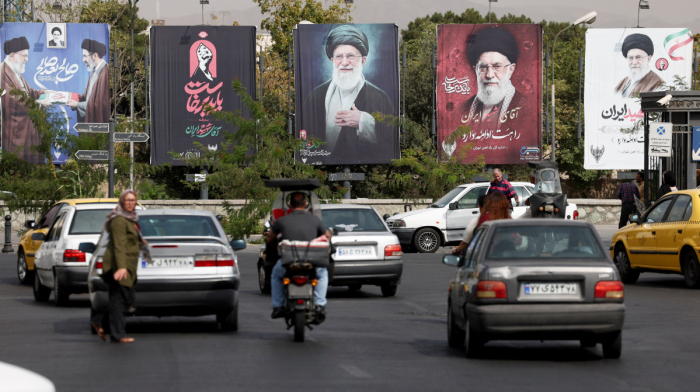
Iran on Saturday denounced U.S. plans to announce new sanctions that could put further strain on the Islamic Republic's economy and have an impact on its most important trading partners including China.
Shipping traffic through the Strait of Hormuz remains limited on Thursday, with no increase in vessel crossings as U.S.-Iran talks to resolve the conflict remained stalled. Nine commodity vessels transited the key waterway on Wednesday, unchanged from the previous day, according to Kpler data.
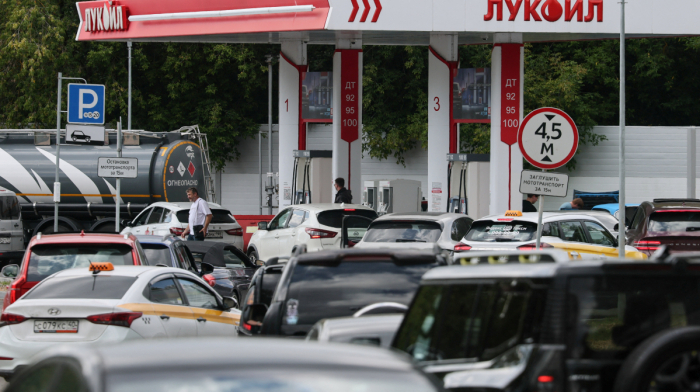
Fuel restrictions have returned to parts of Moscow and the surrounding region, adding another strain to Russia’s economy as refinery outages and rising imports weigh on the rouble.
Start your day informed with AnewZ Morning Brief. Here are the top news stories for the 19th of August, covering the latest developments.
Pakistan is turning to more U.S. crude as disruption around the Strait of Hormuz exposes the risks of its heavy reliance on Gulf energy supplies.
Kazakhstan’s oil exports through its main pipeline route fell sharply in July after Black Sea disruptions, as neighbouring Kyrgyzstan faced rising fuel prices amid reduced supplies from Russia.
Iran says the Strait of Hormuz remains under its control, rejecting U.S. President Donald Trump’s claim of “total control” over the strategic waterway and insisting it will not reopen until Washington fulfils its commitments under an interim deal.
UK Prime Minister Andy Burnham faces an early test of his climate commitments as his government weighs whether to approve two major North Sea oil and gas projects, Rosebank and Jackdaw.
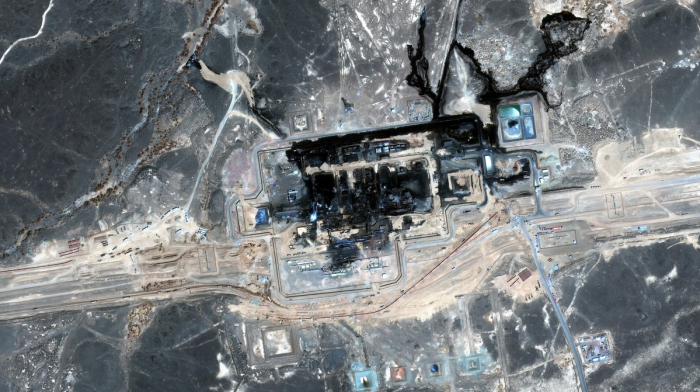
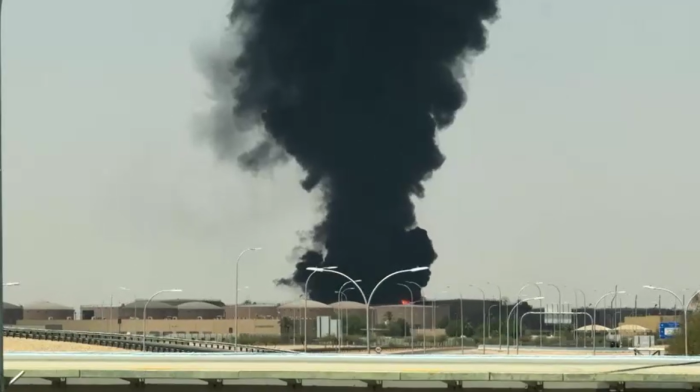
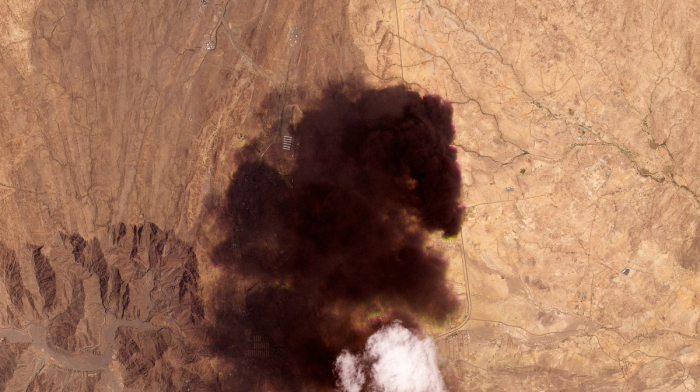
Firefighters were continuing to battle a massive blaze at the Zawiya refinery on Tuesday as Libya's National Oil Corporation (NOC) said it could declare force majeure and completely halt operations if drone attacks on oil assets in the city continued.
Pakistan is seeking to strengthen its energy security through a proposed Gulf oil storage scheme, $5 billion in refinery upgrades and renewed offshore exploration with Türkiye as global supply disruptions expose its reliance on imports.
Kyrgyzstan is facing fuel supply challenges after shipments of petroleum products from Russia and Belarus fell sharply in July, pushing prices higher and forcing the country to look for alternative suppliers.
U.S. President Donald Trump criticised major oil companies, including Chevron and Exxon Mobil, on Monday for earning what he described as excessive profits as renewed tensions with Iran pushed global energy prices higher.
Oil shaped the geopolitics of the 20th century. People may shape much of the geopolitics of the 21st.
Cuba faced another nationwide blackout after its electricity grid failed, deepening an energy crisis tied to fuel shortages and U.S. sanctions.
Oil prices fell sharply on Monday after U.S. President Donald Trump said talks with Iran would begin later in the day, raising hopes of easing tensions in the Middle East, while OPEC+ agreed to increase oil production for a sixth consecutive month, adding to expectations of improved global supply.
Oil prices have fallen more than six per cent as a pause in U.S.-Iran hostilities eased fears of wider supply disruption around the Gulf.
Ukraine's attacks on Russian refineries and export facilities have triggered a fuel crisis while exposing deeper weaknesses in Russia's oil logistics network. The strikes have revealed limited spare capacity, ageing infrastructure and vulnerabilities likely to outlast the war.
Oil prices fell on Tuesday as markets balanced reports of renewed diplomatic efforts between the United States and Iran with continued military escalation and fresh threats to global energy supplies.
Officials from more than 20 oil-producing countries have agreed on a roadmap to strengthen international cooperation in the oil industry during a meeting in Azerbaijan. The plan aims to deepen collaboration across key areas, including markets, technology, investment and regulation.
Ukraine and Russia exchanged fresh attacks on Tuesday, with Kyiv targeting shipping and energy infrastructure inside Russia while Moscow launched another large-scale missile and drone assault on Ukrainian cities.
Saudi Arabia is moving crude through the Red Sea port of Yanbu at close to maximum capacity this week, as tensions with Yemen's Houthis add to broader concerns over Gulf shipping routes, according to data and industry sources cited by Reuters.
Oil prices rose nearly 3% on Tuesday to their highest level in four weeks as the United States and Iran stepped up attacks around the Strait of Hormuz, adding fresh uncertainty to global energy supplies.
You can download the AnewZ application from Play Store and the App Store.