live President Trump warns of intensified attacks if no deal is reached - Middle East conflict on 6 May
President Donald Trump cited "great progress" toward a comprehensive agreement with Iran as he announced he would briefly pause the ...
The UK, in coordination with the EU, has reduced the price cap on Russian crude oil from $60 to $47.6 per barrel to increase economic pressure on Moscow.
The United Kingdom has announced a reduction in the price cap on Russian crude oil, lowering it from $60 to $47.6 per barrel. The move, taken in coordination with the European Union, aims to further restrict Russia’s oil revenues and intensify economic pressure on Moscow.
According to a statement by the UK Foreign Office, the new cap directly targets a key source of income for Russia. The goal is to drive down the market value of Russian crude and cut into the country’s financial resources.
UK Chancellor of the Exchequer Rachel Reeves said the decision to lower the cap would help undermine Russia’s oil revenues while maintaining stability in global energy markets. “This step will increase pressure on Russia while protecting energy market stability,” she stated.
Foreign Secretary David Lammy added that the international community could not remain passive while "Putin continues to delay peace negotiations."
The EU also unveiled its latest sanctions package on the same day, confirming a shift in its own cap policy. The bloc announced a dynamic mechanism to set the price cap at 15% below the average market rate, which will now translate into the same $47.6 per barrel figure.
Both the UK and EU are tightening restrictions on Russian energy exports as part of a broader strategy to limit the Kremlin's capacity to fund its ongoing military operations.

A 77-year-old man and a 63-year-old woman were killed on Monday (4 May), after a man drove a car into a crowd on a pedestrianised street in the the eastern German city of Leipzig, authorities said.
Iran warned Armerican forces on Monday (4 May) not to enter the Strait of Hormuz, after the U.S. said it had launched a mission to try and reopen the sea passage. Meanwhile, Iran's Foreign Minister said there was no military solution to the Middle East conflict.
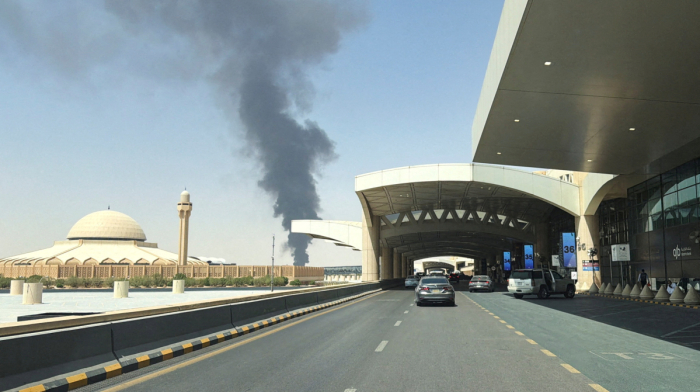
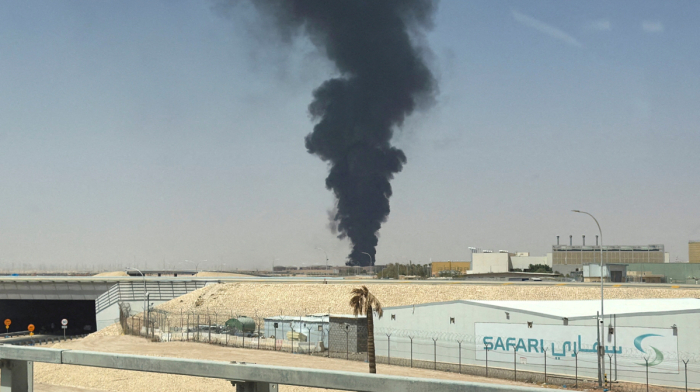
The United Arab Emirate said it was dealing with missile and drone attacks from Iran for the second day in a row on Tuesday (5 May), despite denials from authorities in Tehran who threatened a "crushing response" if the UAE retaliated.
President Donald Trump cited "great progress" toward a comprehensive agreement with Iran as he announced he would briefly pause the operation to escort ships through the Strait of Hormuz. Meanwhile, U.S. Secretary of State Marco Rubio urges China to pressure Tehran over its actions in the Hormuz.
All remaining passengers aboard a luxury cruise ship hit by a deadly hantavirus outbreak are asymptomatic, Spain’s Health Minister Mónica García said on Wednesday.
The Australian government will spend billions to boost national fuel stockpiles and create a permanent, state-owned strategic reserve, Prime Minister Anthony Albanese has announced.
ITA Airways is preparing to raise ticket prices by between 5% and 10% this year as soaring fuel costs linked to the conflict involving Iran, Israel and the U.S. continue to pressure airlines worldwide.
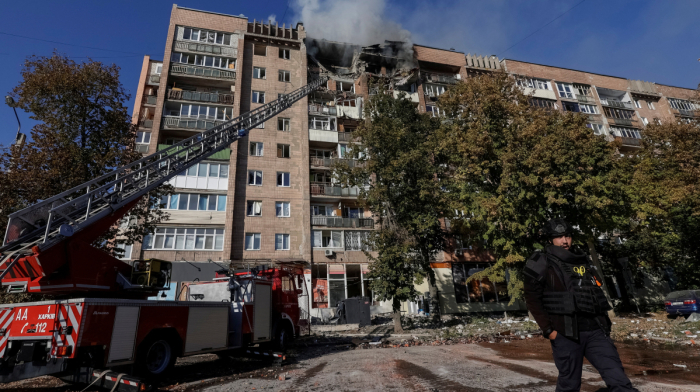
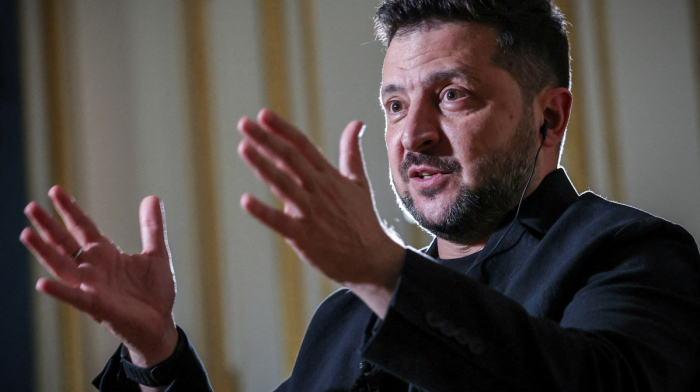
Ukraine has accused Russia of violating a ceasefire proposed by Kyiv that came into effect at midnight on 6 May, reporting continued strikes that left at least one person dead and several others injured across frontline regions.
U.S. Secretary of State Marco Rubio is expected to discuss Cuba and global religious freedom with Pope Leo during a visit to the Vatican on Thursday (7 May), following recent criticism from President Donald Trump over the pope’s comments on the U.S.-Israeli war against Iran.
Start your day informed with the AnewZ Morning Brief. Here are the top stories for the 6th of May, covering the latest developments you need to know.
You can download the AnewZ application from Play Store and the App Store.
What is your opinion on this topic?
Leave the first comment