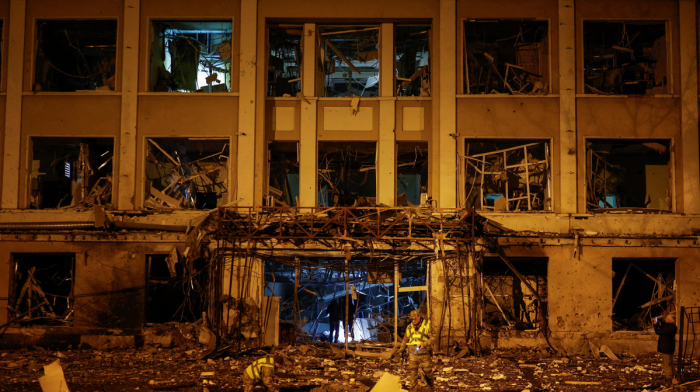
More than 400 people were reportedly killed after a Pakistani airstrike hit a drug rehabilitation hospital in Kabul on Monday evening, prompting concern from the United Nations, the European Union and international aid organisations.
The strike hit the Omid Addiction Treatment Hospital, a facility treating people with substance use disorders, according to the United Nations Assistance Mission in Afghanistan (UNAMA). Pakistan, however, rejected claims it struck a hospital, saying it had “precisely targeted military installations and terrorist support infrastructure.”
UNAMA said the strike struck a medical facility treating drug-dependent patients, adding that “civilians continue to pay the price for the ongoing conflict between Afghanistan and Pakistan”.
It expressed condolences to the victims’ families and stressed that “under international law, all parties to a conflict must respect and protect the sick and wounded, medical personnel, hospitals and ambulances”.
The UN High Commissioner for Human Rights called for accountability, saying the incident “must be investigated promptly, independently and transparently,” and that “victims and their families are entitled to reparations.”
A spokesperson added that “the laws of war clearly set out that any attack must comply with the fundamental principles of distinction, proportionality and precaution.”
Aid organisations echoed these concerns. The Norwegian Refugee Council (NRC) said: “Hundreds of people were killed… This is unacceptable. Civilians and civilian infrastructure must never be a target.”
The World Health Organization (WHO) warned the strike forms part of a wider pattern, with at least six health facilities affected since late February. Director-General Tedros Adhanom Ghebreyesus said: “Peace is the best medicine”, urging both sides to de-escalate.
European Commissioner Hadja Lahbib described the attack as “a flagrant breach of international humanitarian law”, adding: “Health facilities must be protected, not targeted.”
The strike comes amid escalating hostilities. UNAMA said at least 76 civilians have been killed and 213 injured since late February, while displacement has affected tens of thousands across border regions.
International actors, including the European Union and the United Kingdom, are now calling for an immediate ceasefire and a return to dialogue.








What is your opinion on this topic?
Leave the first comment