Thousands of displaced families in Gaza are facing growing infestations of rats and insects as worsening sanitation conditions and mounting waste deepen the humanitarian crisis across overcrowded camps, according to the United Nations Relief and Works Agency for Palestine Refugees in the Near East.
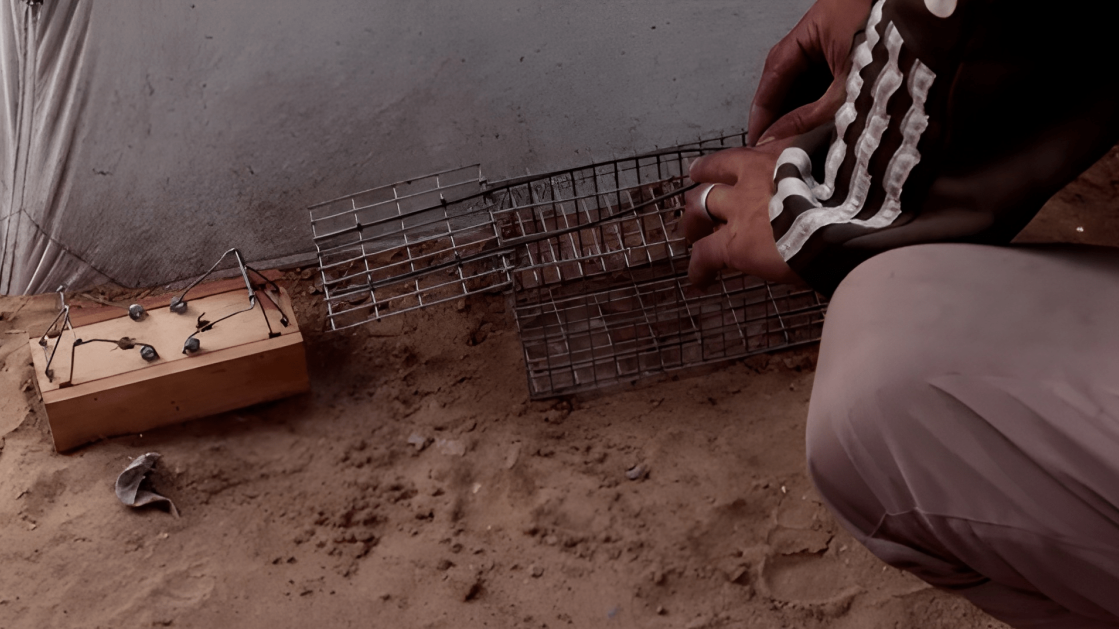
Video released by the UN on Friday (15 May) showed displaced residents describing how rodents are entering tents daily, contaminating food supplies and in some cases injuring children during the night.
Fear, sleepless nights and attacks
Residents living in makeshift shelters in Gaza City said the spread of rats has intensified in recent weeks, with families struggling to protect children and food supplies inside overcrowded tents.
Fadi Jundiya, displaced from eastern Gaza City, said rodents had become a constant part of daily life inside the camp.
“The issue of rats has existed since the first day this camp was established, but now rodents are spreading among the tents in an abnormal way,” he said in footage released by the UN.
“Every time we get rid of one rat, we find ten more.”
Jundiya said children are increasingly afraid to leave tents at night because of fears of rat attacks, adding that several children had already been scratched or bitten.
He also said aid supplies including bread and rice were frequently damaged or consumed by rodents.
Another displaced resident, Mohammad Talal, said his child was taken to hospital after being attacked by rats overnight.
“My child was attacked by rats and thank God it was not worse,” he said.
“I stay awake all night because of the rats, holding my mobile phone to provide light.”
Areej Musbah, another displaced mother, said her child was scratched by rats inside the family tent two weeks earlier. She described waking up each morning to find rat droppings spread throughout the shelter.
“We are suffering greatly because of the rats,” she said, calling for poison and stronger sanitation measures to contain the infestation.
Worsening humanitarian conditions
The footage also showed teams from United Nations Relief and Works Agency for Palestine Refugees in the Near East carrying out sanitation campaigns, spraying insecticide and cleaning shelters and camps housing displaced Palestinians.
Aid agencies have repeatedly warned that the destruction of sewage systems, overcrowding and limited access to clean water are increasing the risk of disease outbreaks in Gaza, where most of the territory’s population has been displaced during the war.
Many displaced Palestinians are currently living in tents, damaged buildings or improvised shelters erected on roadsides and among rubble from destroyed neighbourhoods.
An October ceasefire between Israel and Hamas has done little to improve living conditions, with humanitarian agencies continuing to report severe shortages and deteriorating infrastructure across Gaza.
Israel says restrictions on aid and operations in Gaza are driven by security concerns and threats posed by Hamas.
Palestinian health authorities say hundreds of Palestinians have been killed in Israeli attacks since the ceasefire came into effect, while Israel has also reported military casualties during the same period.

















What is your opinion on this topic?
Leave the first comment