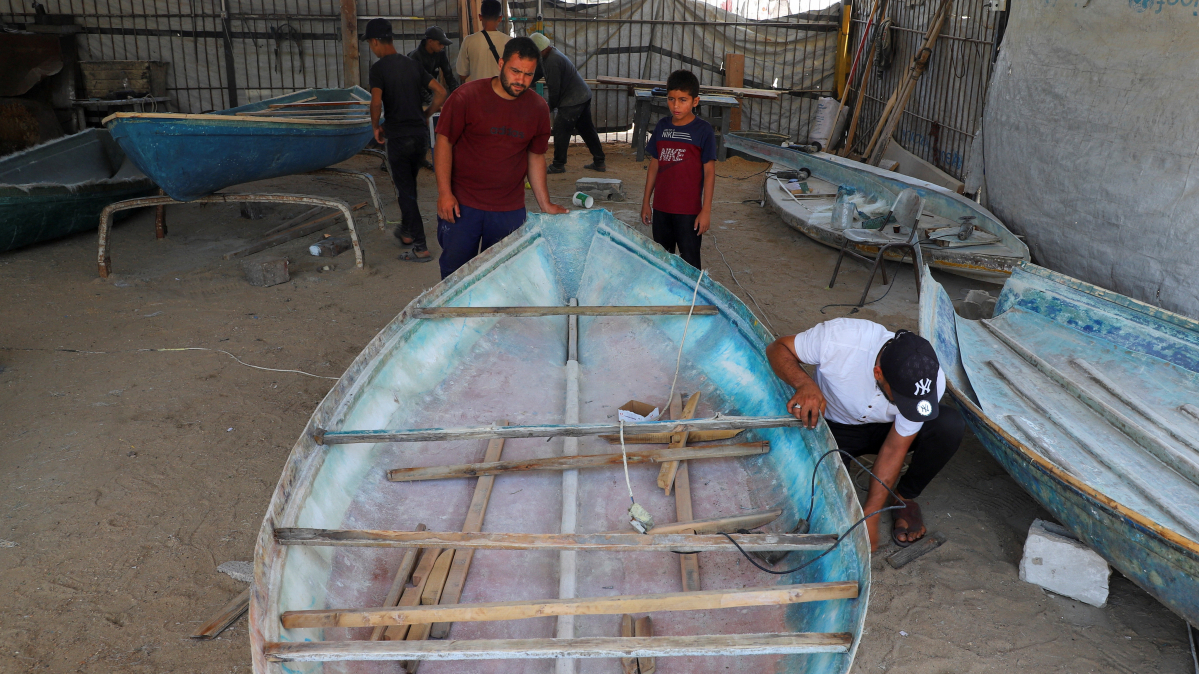
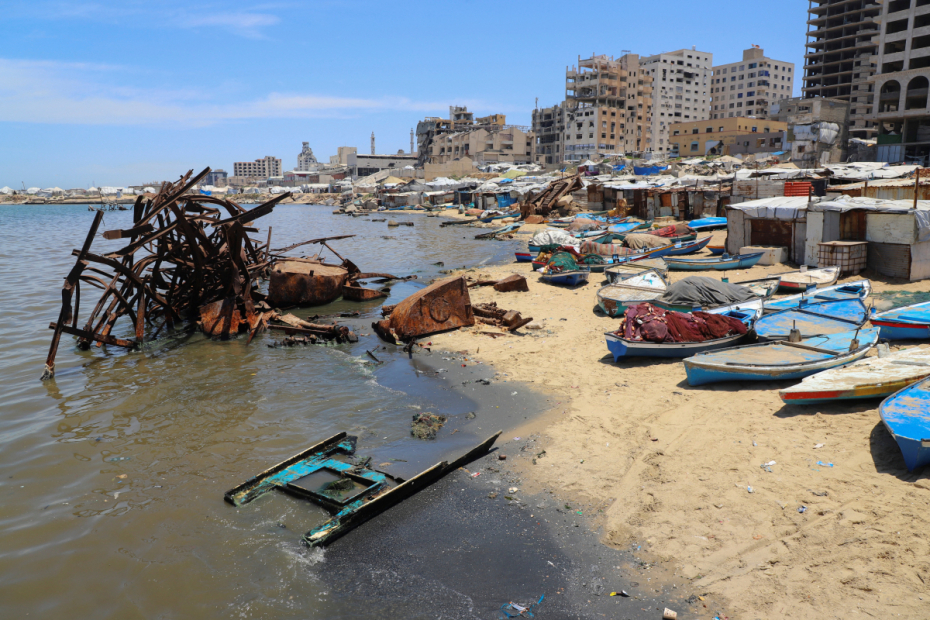
In a workshop surrounded by the wreckage of war, workers in Gaza are giving a second life to small leisure boats once used for family outings and swimming trips.
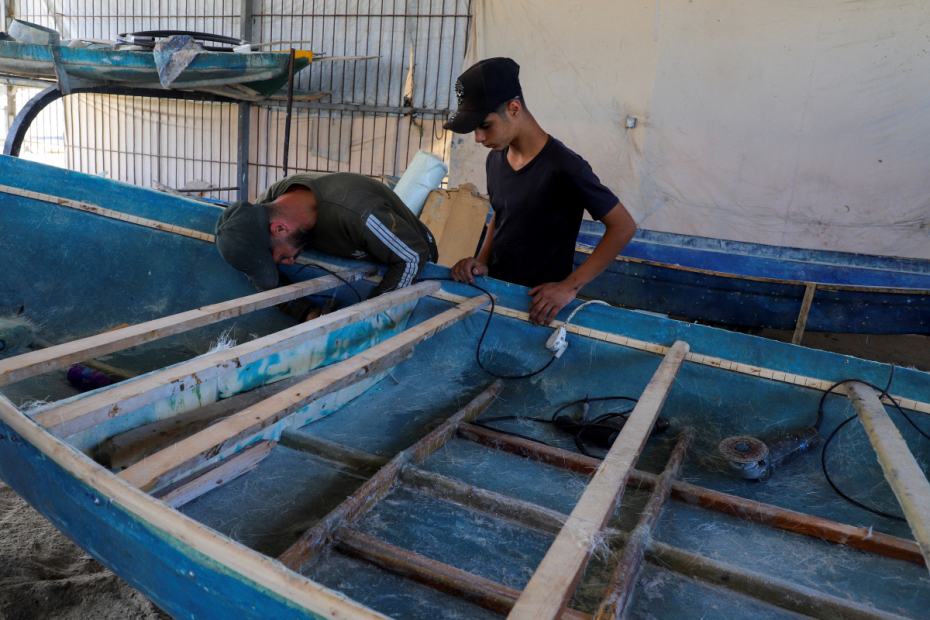
Using reclaimed fibreglass, scraps of wood and even old door frames salvaged from bombed buildings, they are transforming the dinghies into fishing vessels as the strip's fishing industry battles severe shortages and mounting costs.
The small boats have become increasingly important as fishermen struggle to repair larger, purpose-built vessels. Restrictions on materials entering Gaza have made repairs difficult and expensive, leaving many unable to maintain their traditional boats.
"A kilo of fibreglass in the era before the war was 50 [$17] or 60 [$20.48] shekels," fisherman Mohammad al-Hissi said. "The cost today is around 800 [$273.02] shekels."
Israel's Coordinator of Government Activities in the Territories (COGAT), which controls access to Gaza, said restrictions apply to items that could have both civilian and military uses. The agency did not directly comment on limitations affecting fibreglass supplies.
Fishing under growing Israel's restrictions
For Gaza's fishermen, the challenges extend beyond repairing their boats.
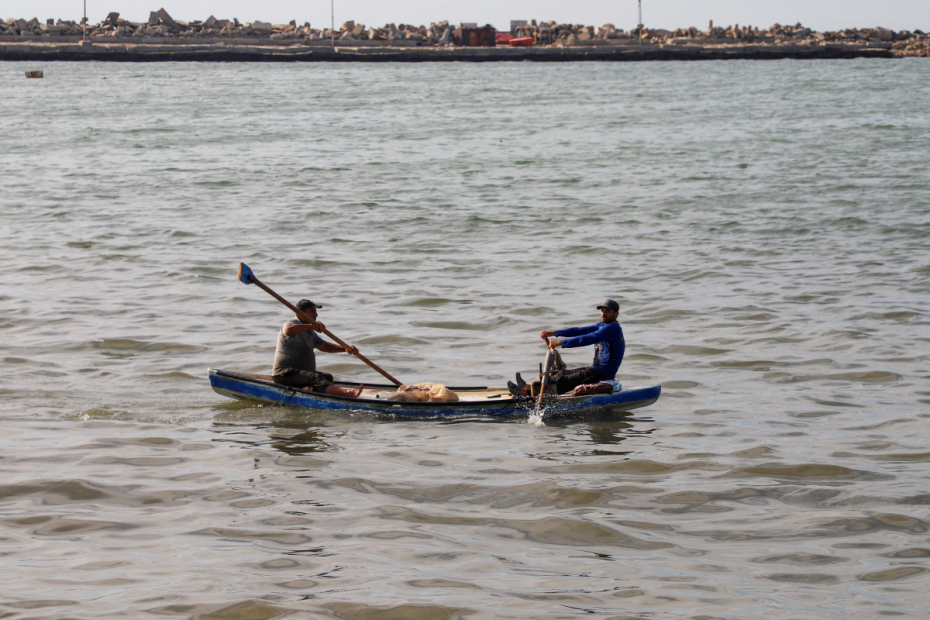
Even before the war, which began after Hamas-led attacks on southern Israel in October 2023, fishermen faced strict limits on how far they could travel into the Mediterranean. They now say they stay even closer to shore, fearing gunfire despite a ceasefire that came into effect last year.
Responding to those concerns, the Israeli military said its navy enforces "maritime security restrictions" in Gaza's waters. It added that when those restrictions are breached, soldiers "operate in accordance with the rules of engagement".
Catches collapse as food needs remain high
The consequences for the industry have been severe.
According to Zakaria Baker, a member of the Gaza Fishermen Syndicate, the sector's total catch has fallen to less than 15 tonnes a month. Before the war, fishermen could catch the same amount in a single day.
The decline has hit Gaza, where fishing was once an important source of food and income.
Although the hunger crisis has eased since famine was declared in parts of Gaza before the ceasefire, aid organisations continue to warn of widespread nutritional problems.
The United Nations reported that around 3,500 children were admitted for malnutrition treatment in April, while many still lack access to a sufficiently varied diet.
Keeping the industry afloat
At the repair workshop, workers continue to do what they can with the limited materials available.
"We repair and maintain boats, and serve fishermen in any way we can," said worker Musab Baker. "But we are unable to do anything apart from the small boats."
For many fishermen, those modest vessels now represent one of the few remaining ways to earn a living from the sea, helping keep a struggling industry afloat amid the devastation of war.














What is your opinion on this topic?
Leave the first comment