A year ago, in the State Dining Room of the White House, Armenian Prime Minister Nikol Pashinyan and Azerbaijani President Ilham Aliyev shook hands over a peace framework that for about three decades, many thought was impossible.
Despite the 17-article peace agreement having been initialled but remaining unsigned, neither government has abandoned the process. Instead, both have continued pursuing practical measures capable of building confidence while the remaining political issues are addressed.
For now, fuel is moving across a border that was sealed for a generation, a U.S.-backed transit corridor has progressed from concept to a signed contract, a mediation body that had outlived its purpose has been formally retired, and Armenian voters have twice endorsed their government's approach — first at the negotiating table and later at the ballot box.
Trade returns after three decades
The clearest peace dividend has been economic. In October 2025, Aliyev announced that Azerbaijan had lifted all restrictions on cargo transit to Armenia, ending a blockade that had lasted for about 36 years.
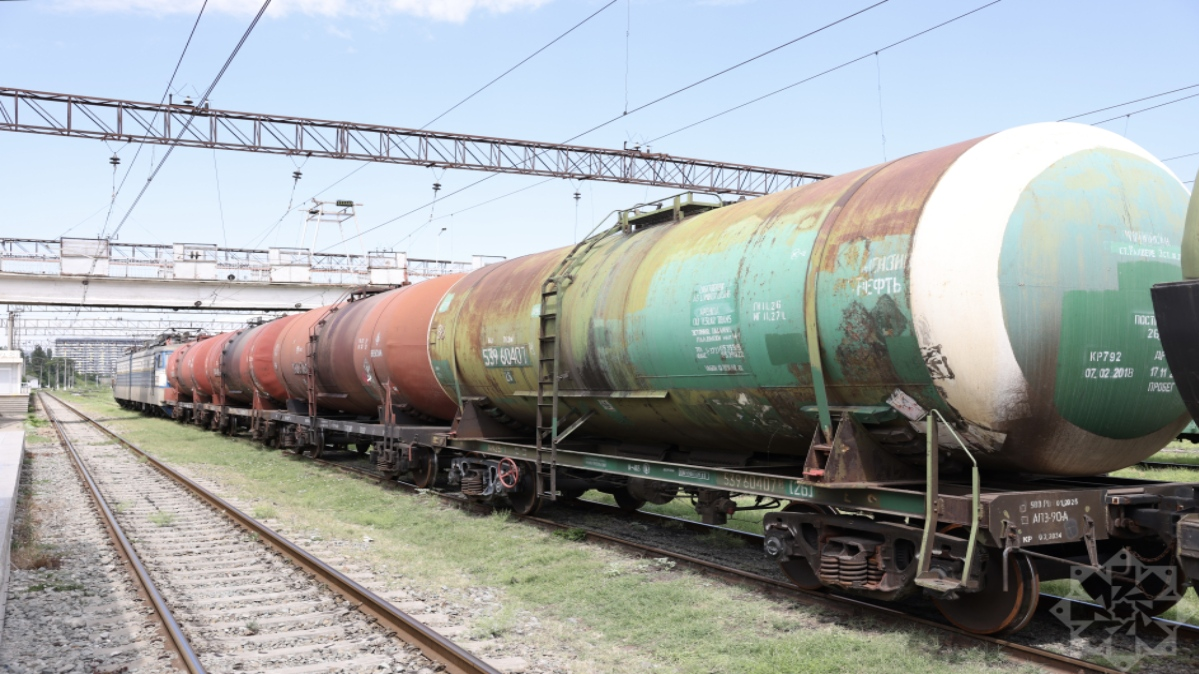
Two months later, Azerbaijan's State Oil Company of the Republic of Azerbaijan (SOCAR) sent the first direct shipment of locally produced fuel to Armenia, marking the first such trade between the two countries in more than three decades.
Deliveries have continued steadily and, by the end of June, Azerbaijan's exports to Armenia, consisting mainly of diesel and petrol, had reached $17.1 million for the year. Tens of thousands of tonnes of Russian grain and fertiliser have also transited Azerbaijani territory to Armenian markets.
Armenian consumers have felt the impact directly through lower fuel prices, and both governments have repeatedly pointed to the trade as evidence that normalisation is producing tangible results.
TRIPP moves from concept to implementation
The most visible symbol of the Washington agreements is the Trump Route for International Peace and Prosperity (TRIPP), a transport initiative designed to reconnect mainland Azerbaijan with Nakhchivan through southern Armenia while preserving Armenian sovereignty.
In January 2026, Washington and Yerevan published a formal implementation framework establishing the TRIPP Development Company, a joint venture that will hold development rights over rail, road and energy links through southern Armenia for an initial 49 years, with an option to extend for a further 50 years.
The United States will hold a 74 per cent stake and Armenia 26 per cent, rising to 49 per cent if the arrangement is renewed. Armenian officials have consistently stated that sovereignty and jurisdiction over the route will remain with Armenia throughout.
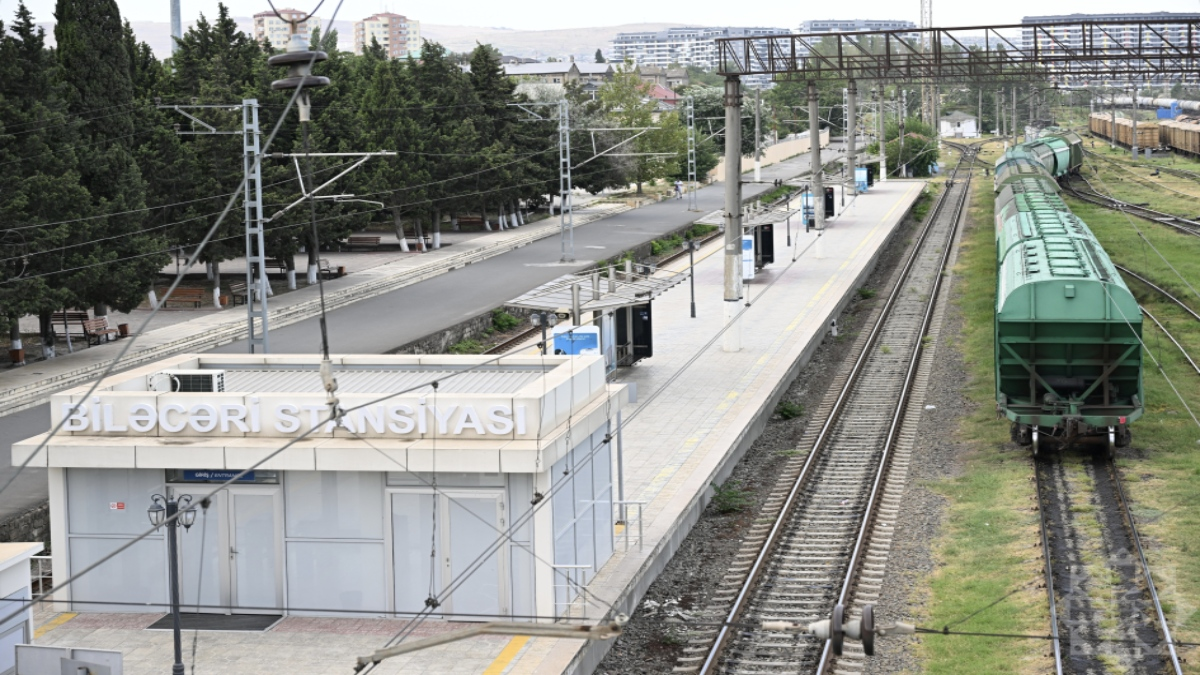
While Azerbaijan has already completed much of the infrastructure leading to its border near Zangilan, construction on the Armenian side is due to begin this year. Pashinyan has said engineering and financing issues are now being resolved on a near-weekly basis.
As implementation continues, TRIPP has the potential to reshape trade flows across the South Caucasus, improving connectivity between Europe and Asia while creating new opportunities for regional commerce and investment.
Washington deepens its engagement
In February, U.S. Vice-President JD Vance made the first visit by a serving American vice-president to either country, signing a Strategic Partnership Charter with Azerbaijan covering defence, artificial intelligence and energy security, while concluding a civil nuclear co-operation agreement with Armenia under the U.S. Atomic Energy Act.
The pair had already appeared together the previous month, sharing a panel at the World Economic Forum in Davos in their first joint public appearance since the Washington agreement.
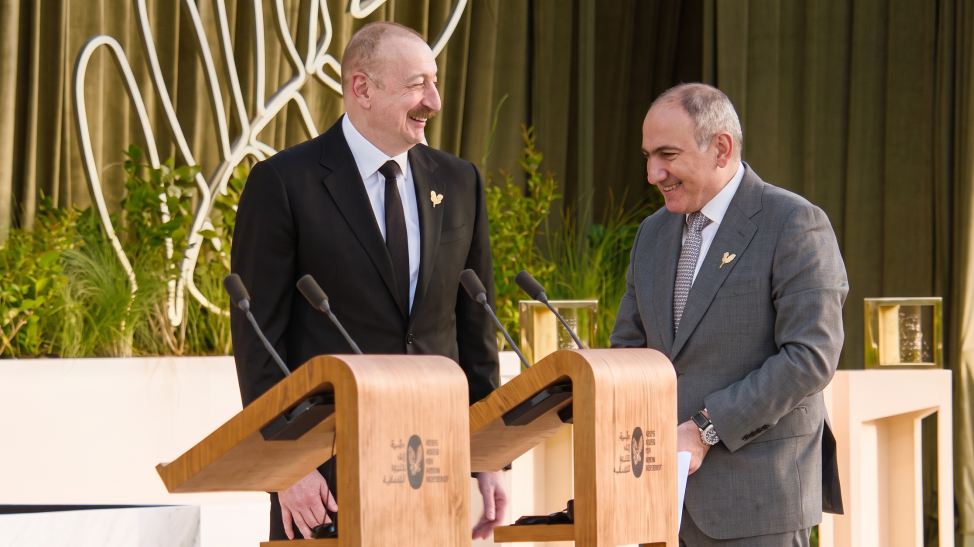
Later in February, Pashinyan and Aliyev travelled together to Abu Dhabi to jointly accept the 2026 Zayed Award for Human Fraternity, an international prize recognising their peace efforts. Each received $1 million.
Washington's role in the peace process also altered the balance of external influence in the South Caucasus.
For much of the previous three decades, Russia had been the principal external security actor in negotiations between Armenia and Azerbaijan. The 2025 agreement marked a significant departure from that model, with the United States assuming a leading diplomatic role in facilitating both the peace framework and the accompanying connectivity arrangements.
Diplomacy without the OSCE Minsk Group
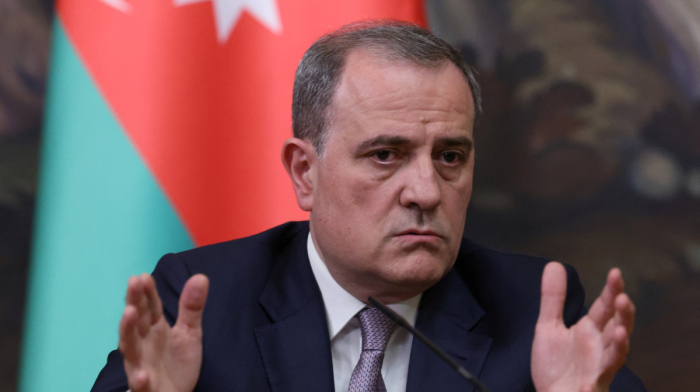
One of Baku's longstanding demands concerning the Organization for Security and Co-operation in Europe (OSCE) Minsk Group was met almost immediately. At the Washington summit, the two foreign ministers jointly petitioned the OSCE to close the Minsk Group, which had sought a negotiated settlement since 1992 without reaching one.
All 57 OSCE participating states approved the closure within a month, and the process was completed by the end of November last year.
Both governments argued that it was a diplomatic structure created for a conflict that no longer exists. Its closure also enabled the two sides to continue negotiations bilaterally rather than through a stalled multilateral process.
Armenians spoke through the ballot box
The clearest test of public support came on 7 June, when Pashinyan's Civil Contract party won 49.8 per cent of the vote in parliamentary elections fought largely on the peace agenda, more than double the vote share of its nearest rival.
Western intelligence officials told Reuters that Moscow had mounted a covert campaign against him, including disinformation and an alleged scheme to bus in Russian-Armenian voters. The scale of his victory suggested those efforts had little impact.
Addressing parliament afterwards, Pashinyan said the peace established in 2025 had, through the election, "gained legitimacy", adding that he intended to use the mandate to press ahead with the constitutional reform Baku has identified as its final precondition for signing the agreement.
Obstacles remain, but progress continues
The gains have not removed every obstacle. The treaty remains initialled rather than signed, pending a constitutional amendment that Yerevan does not expect to put to a referendum before 2027. In addition, only a fraction of the shared border has been formally demarcated.
However, for the first time in decades, Armenia and Azerbaijan have sustained a peace process focused less on managing conflict and more on building future co-operation.
Fuel now crosses borders that were once closed. Transit restrictions have eased. International mediation has shifted from ceasefire management towards economic integration.
Although difficult political questions remain unresolved, dialogue has continued, and the first year of the Washington Process suggests the relationship between Armenia and Azerbaijan is increasingly being defined by diplomacy, commerce and regional connectivity rather than military confrontation.

















What is your opinion on this topic?
Leave the first comment