U.S. President Donald Trump may have to accept concessions he previously opposed if he wants to secure a deal with Iran to reopen the Strait of Hormuz, according to analysts, as negotiators move closer to a temporary agreement.
Analysts see narrowing room for manoeuvre
U.S. and Iranian negotiators are reportedly making progress towards an agreement that would restore commercial shipping through the Strait of Hormuz, a vital route for global oil supplies.
The proposed deal would reportedly require Washington to lift its naval blockade on Iranian ports while accepting a limited Iranian role in managing traffic through the strategic waterway - conditions Trump has previously opposed.
Laura Blumenfeld, a Middle East analyst at Johns Hopkins University, told Reuters Trump's recent shifts in rhetoric suggest his options are becoming increasingly constrained.
"Trump's rhetorical swings and abrupt reversals of the past week suggest a president trying to park a wide war in a tight spot," Blumenfeld said.
However, any agreement would still require approval from Iran's Supreme Leader and is expected to be temporary rather than a comprehensive settlement.
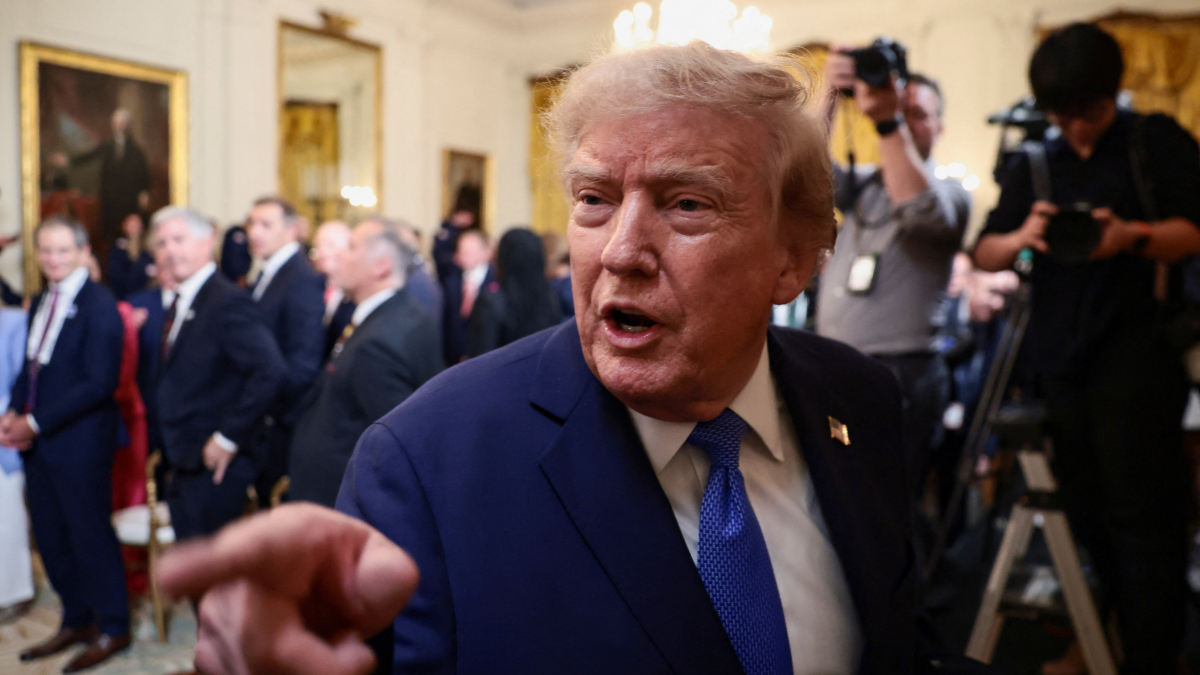
Speaking in Las Vegas on Wednesday, Trump signalled he remained committed to diplomacy despite the prospect of higher oil prices in the short term.
"I'd rather make a deal because I don't want to kill people," Trump said.
Regional tensions remain a risk
Despite progress in negotiations, escalating violence across the Middle East could still derail any agreement.
Iran-backed Houthi rebels have targeted Saudi oil tankers, while continued regional instability has heightened concerns over the security of shipping through the Strait of Hormuz.
Reuters also reported that shipping industry sources remain sceptical about elements of the proposed agreement, warning that sanctions, insurance restrictions and maritime regulations could make parts of the plan difficult to implement.
Economists say reopening the Strait of Hormuz could help reduce global oil prices by restoring one of the world's busiest energy shipping lanes, although officials caution that negotiations remain fragile.

















What is your opinion on this topic?
Leave the first comment