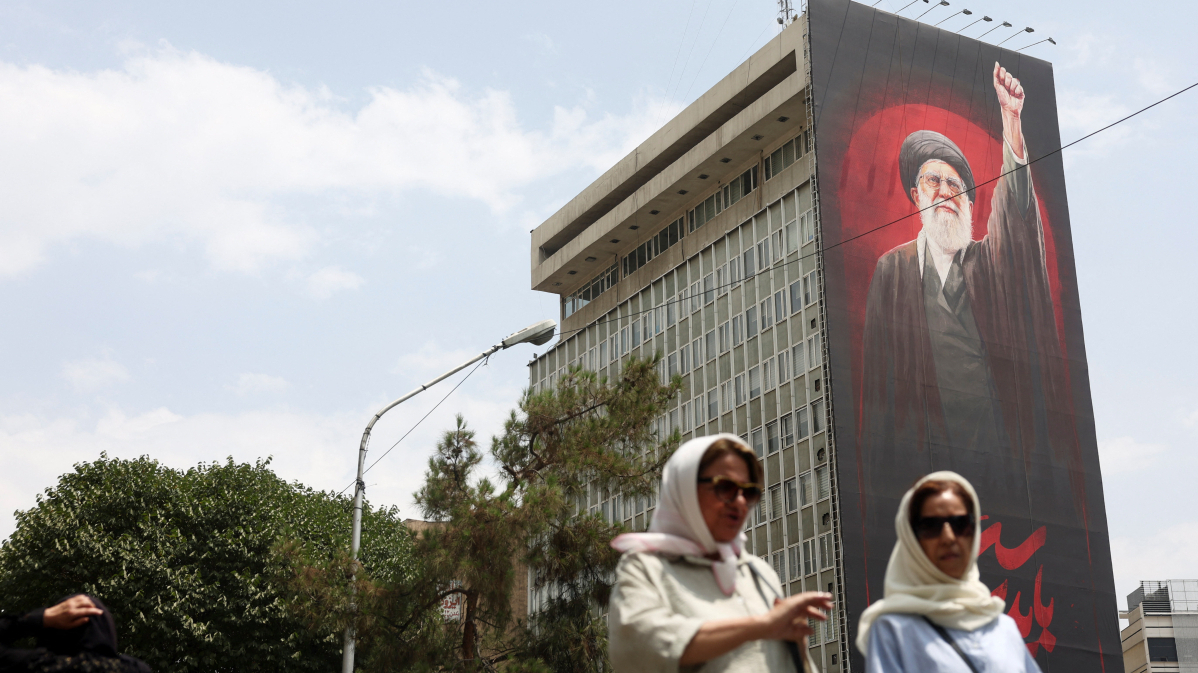
Iran and the U.S. are making conflicting statements about efforts to negotiate the reopening of the Strait of Hormuz. U.S. President Donald Trump insists talks are under way, while Tehran maintains that negotiations remain on hold.
Diplomatic efforts continue behind the scenes
Meanwhile, time is running out. The former allies, which became adversaries following the 1979 Islamic Revolution that overthrew the pro-Western Shah, have less than two weeks before the 60-day ceasefire memorandum of understanding expires.
Signed by the Iranian and U.S. presidents on 17 June, the 14-point memorandum was mediated by Pakistan and intended to serve as a foundation for lasting peace. However, progress has stalled, particularly over differing interpretations of Clause 5, which concerns the reopening of the Strait of Hormuz.
Despite denying direct negotiations with the U.S., Iran has maintained diplomatic contacts with Pakistani mediators as well as Oman over traffic through the strategic waterway.
Iranian Foreign Minister Abbas Araghchi held separate telephone calls with his Pakistani and Omani counterparts on Monday aimed at easing regional tensions, including the possible resumption of stalled U.S.-mediated talks and the reopening of the Strait of Hormuz.
According to official sources citing Iranian Foreign Ministry statements, the foreign ministers of Iran, Pakistan and Oman "reviewed regional developments and the current diplomatic activities".
State news agency IRNA reported that Araghchi and Pakistan's Foreign Minister Mohammad Ishaq Dar stressed the importance of continuing close cooperation and consultations to help establish lasting peace and stability in the region.
IRNA also said Araghchi and Omani Foreign Minister Badr Albusaidi "discussed and exchanged views on the latest regional developments".
Ceasefire deadline approaches
Pakistan is the main mediator between Tehran and Washington. Oman previously served as the primary channel of communication before the Israeli-U.S. war against the Islamic Republic in February, which lasted 40 days.
Disagreements between Tehran and Washington over implementing Clause 5 of the Islamabad memorandum, concerning the reopening of the strategic waterway, have stalled efforts to reach a permanent peace agreement.
Since then, the deadlock has fuelled an escalating military standoff, marked by repeated cycles of tit-for-tat strikes involving Iran and U.S. bases and interests across the region.
Quoting Pakistan's Foreign Ministry, local media reported that Ishaq Dar had invited Araghchi to visit Islamabad at his "earliest convenience".
Other media reports said Pakistan's National Assembly Speaker Ayaz Sadiq had separately invited Iran's Parliament Speaker and chief negotiator with the U.S., Mohammad Bagher Ghalibaf, to visit Pakistan.
So far, Tehran has not said whether or when its senior negotiators will visit neighbouring Pakistan to discuss restarting the stalled talks with the U.S., even as the ceasefire deadline draws closer.


















What is your opinion on this topic?
Leave the first comment