UAE warns Strait of Hormuz must be protected in any U.S.-Iran deal
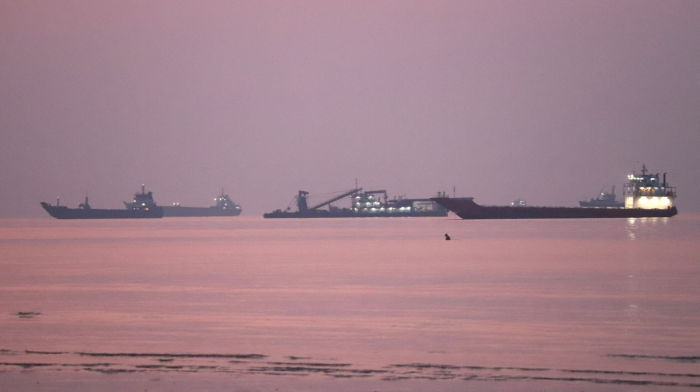
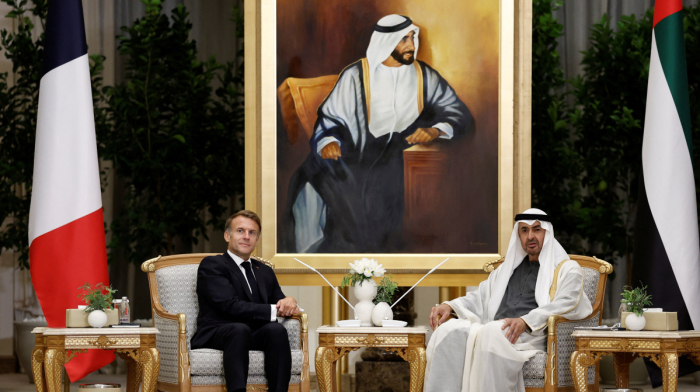
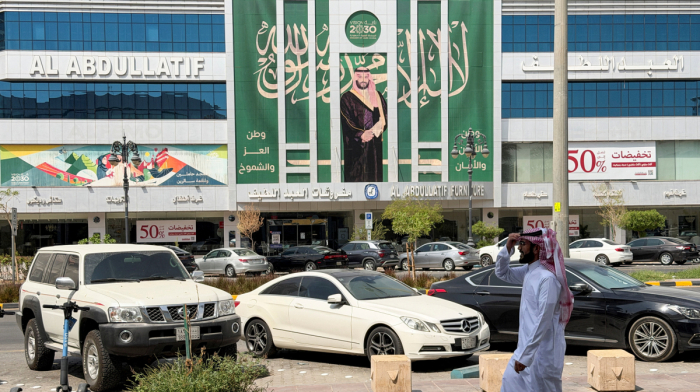
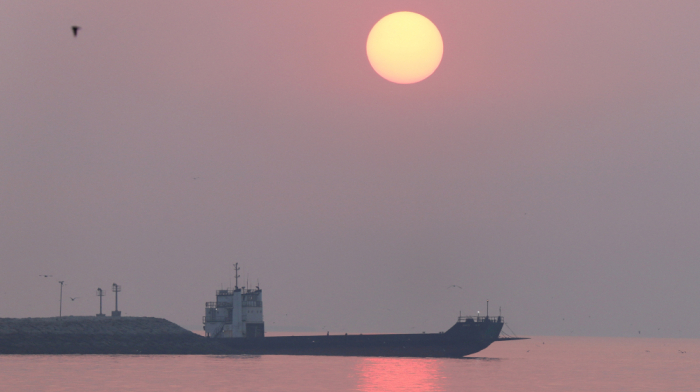
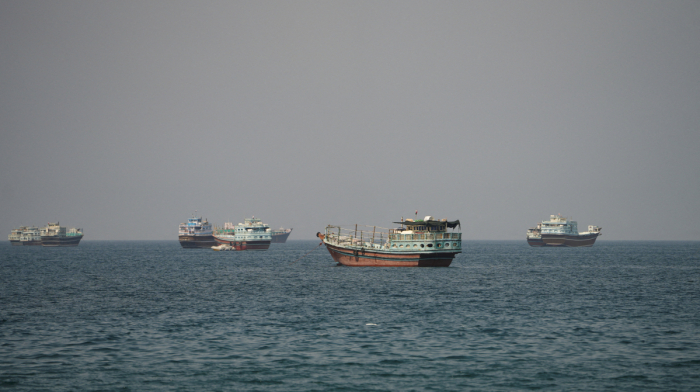
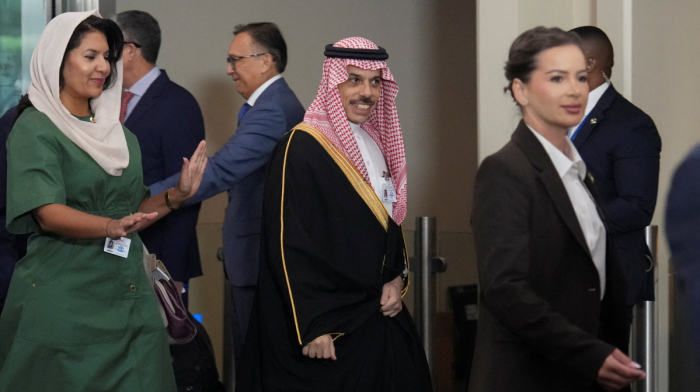
The United Arab Emirates has warned that any settlement between the United States and Iran must guarantee free passage through the Strait of Hormuz, the world’s most vital oil route.
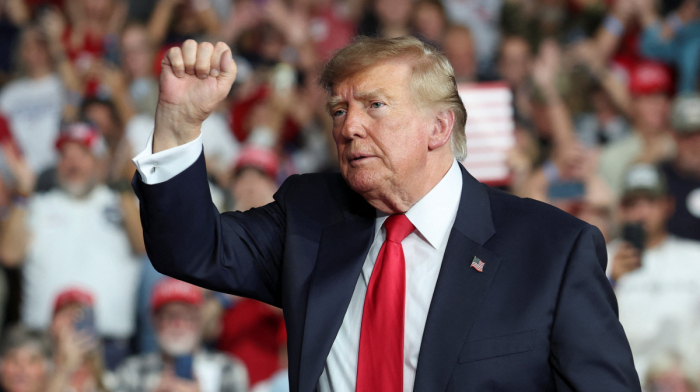
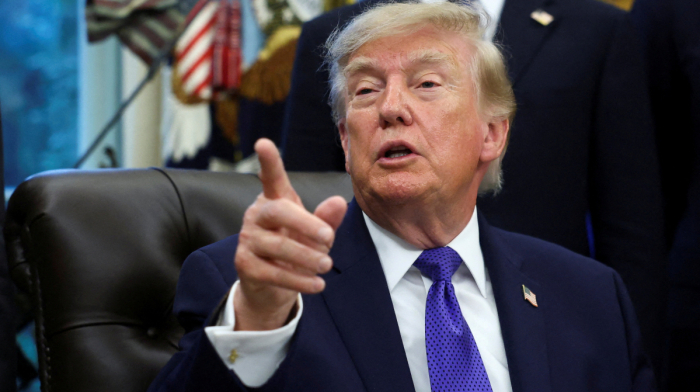
U.S. President Donald Trump threatened Iran's energy and transport infrastructure in a social media post containing expletives on Sunday (5 April), as he seperately gave Iran a deadline of Tuesday to reopen the Strait of Hormuz.
Reeling from macroeconomic shockwaves triggered by the escalating conflict in the Middle East, authorities in Dhaka have activated emergency national protocols aimed at sharply reducing domestic power consumption.
President Donald Trump said the U.S. "hasn't even started destroying what's left in Iran", reiterating vows to increase the ferocity of attacks on its infrastructure, as dozens of countries sought ways to restart vital energy shipments through the Strait of Hormuz
NATO Secretary-General Mark Rutte will visit Washington next week for what a spokesperson for the military alliance called a "long-planned visit" that comes after President Donald Trump blasted European allies over differences on the Iran war.
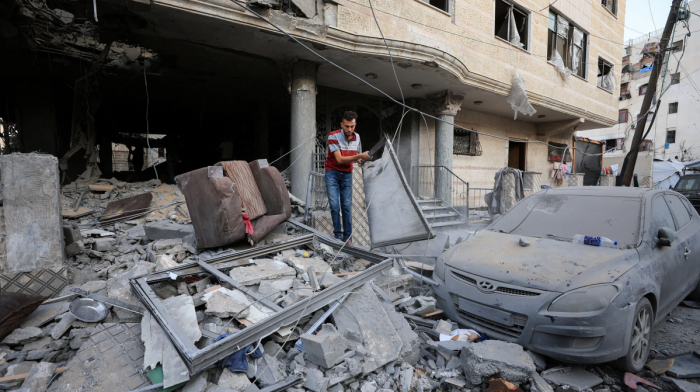
Amid ongoing devastation in Gaza, small efforts are helping to support children affected by months of conflict. One initiative in Khan Younis offers a brief escape and a moment of relief for some of the youngest victims of the war.
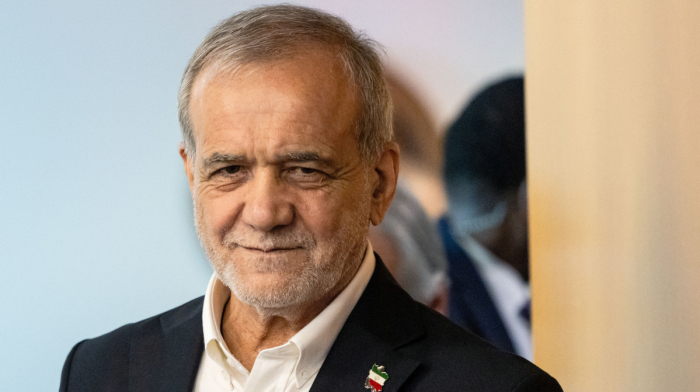
Iranian President Masoud Pezeshkian has criticised the European Union’s “destructive” stance in the Israel–U.S. war against Iran, calling for a more constructive approach, official sources in Tehran reported.
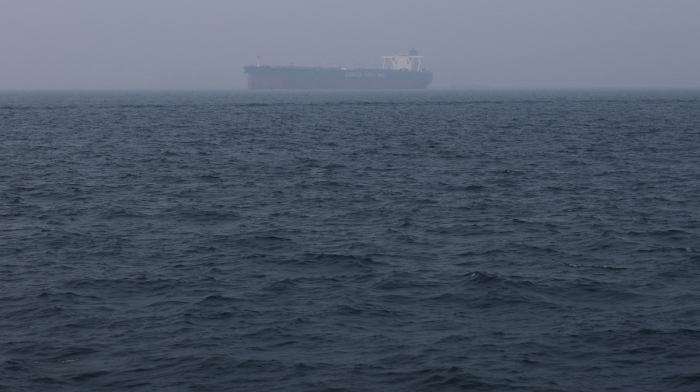
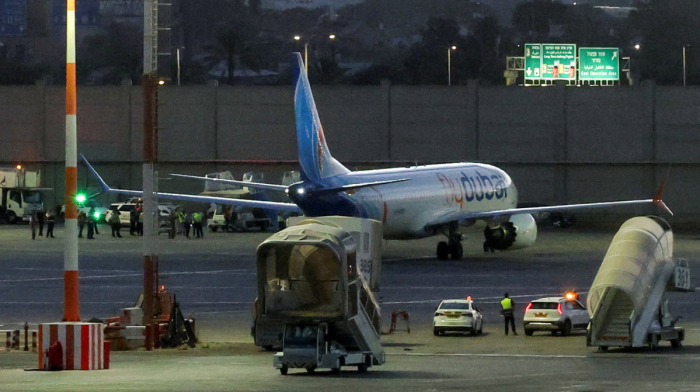
Iran attacked and set ablaze a fully loaded crude oil tanker off Dubai on Monday, as President Donald Trump warned the U.S. would obliterate Iran's energy plants and oil wells if it does not open the Strait of Hormuz.
Iran on Monday described U.S. proposals to end a month-long war in the Middle East as “unrealistic, illogical and excessive” and launched further missile strikes on Israel as oil prices continued to climb following Yemen’s Houthi entry into the conflict.
The escalation of conflict involving the United States, Israel, and Iran since 28 February 2026 has moved beyond a regional security crisis to become a systemic shock to the global economy and our pockets.
U.S. President Donald Trump has been weighing whether to deploy ground forces to seize Iran’s strategic oil hub of Kharg Island - an operation analysts say could be swift, but would expose U.S. troops to significant danger and potentially prolong, rather than shorten, the war.
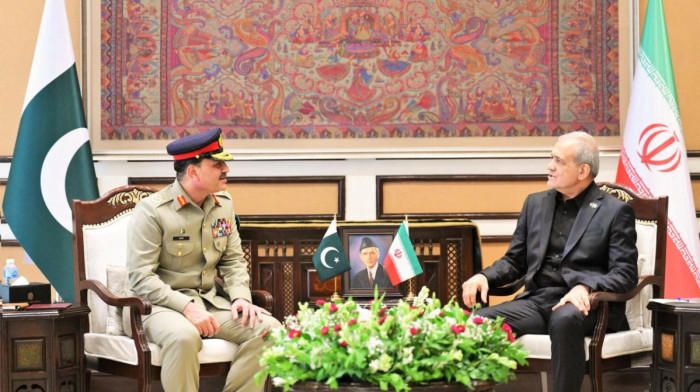
Iran’s Foreign Minister Abbas Araghchi spoke by phone with his Pakistani counterpart Mohammad Ishaq Dar and was briefed on Islamabad’s efforts to halt the Israel–U.S. war, official sources said on Monday (30 March).
Ukrainian President Volodymyr Zelenskyy said he talked about a possible security partnership on Sunday with Jordan's King Abdullah over defending against drone attacks amid rising tensions over the Iran conflict.
Australian Prime Minister Anthony Albanese said on Monday the government would halve the excise on fuel and diesel and remove the heavy road user charge for three months to help households cope with a surge in costs driven by the Iran war.
The involvement of Yemen’s Houthis has heightened regional tensions as the Iran-aligned group joins the conflict. The U.S. says it is hopeful of holding talks with Iran in the coming days, while Tehran has said that "talking and bombing is intolerable". Welcome to our live coverage of the conflict.
German Chancellor Friedrich Merz has voiced doubts about the effectiveness of the U.S. and Israeli military campaign in Iran, warning that the conflict risks becoming prolonged and increasingly complex.
A powerful tropical cyclone in Western Australia has disrupted production at the country’s two biggest liquefied natural gas plants run by Chevron and Woodside, exacerbating a global supply crunch caused by the conflict in the Middle East.
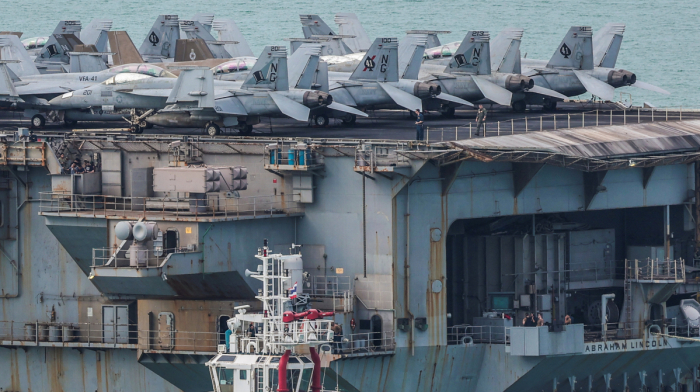
The Trump administration is reportedly reviewing plans to deploy up to 10,000 additional U.S. troops to the Middle East, raising tensions even as Washington engages in delicate negotiations with Iran.
Foreign ministers from the world's leading Western democracies meet in France this week against the backdrop of wars in Iran and Ukraine, economic uncertainty, and mounting unease over an increasingly unpredictable U.S. foreign policy.
Iran is reviewing a U.S. proposal to end the war in the Gulf but has no intention of holding talks to wind down the widening Middle East conflict, the country's foreign minister said on Wednesday (25 March).
Conflicting messages emerged from Iran about its response to a U.S. peace offer reportedly delivered to it by Pakistan on Wednesday (25 March). Meanwhile, Tehran's government unveiled its own counterproposal to end the conflict.
France will not take part in military operations to open the Strait of Hormuz by force, but is prepared to help secure key maritime routes, Prime Minister Sébastien Lecornu told lawmakers amid escalating tensions in the Middle East.
Iran has rejected a U.S. proposal to end the war, insisting any ceasefire will occur only on its own terms and timeline, according to a senior political-security official speaking to state-run Press TV on Wednesday.
Spanish Prime Minister Pedro Sánchez has said it is unfair for people around the world to shoulder the cost of U.S.–Israeli attacks on Iran, warning that Spanish firms have already lost €100 billion ($116 billion) in less than a month as a result of the conflict.
You can download the AnewZ application from Play Store and the App Store.