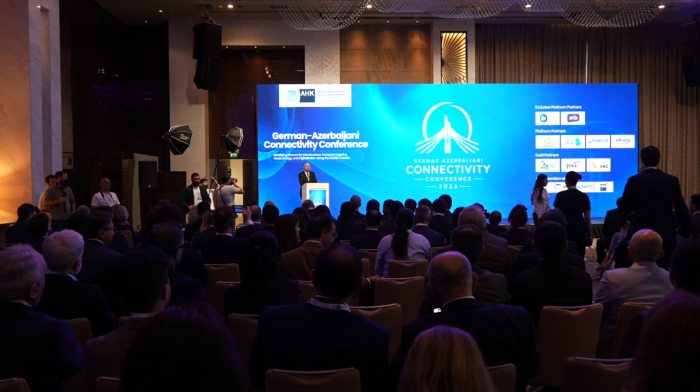
One year after its launch, the Trump Route for International Peace and Prosperity (TRIPP) has emerged as one of the most significant diplomatic and economic initiatives in the South Caucasus, linking peace efforts between Armenia and Azerbaijan with expanding trade and regional connectivity.
The Trump Route for International Peace and Prosperity (TRIPP) was conceived as both a peacebuilding mechanism and a regional connectivity project. It has linked political negotiations between Armenia and Azerbaijan with practical measures including trade, energy cooperation and transport development.
While many of its long-term objectives remain unfinished, the initiative's first year has produced measurable diplomatic and economic results.
What has been achieved so far?
- Peace framework established: Armenia and Azerbaijan initialled a peace declaration at the White House, creating the most significant diplomatic opening between the two countries in years.
- International backing secured: The U.S. formalised the process, committed $145 million for related infrastructure and established trilateral working groups to oversee implementation.
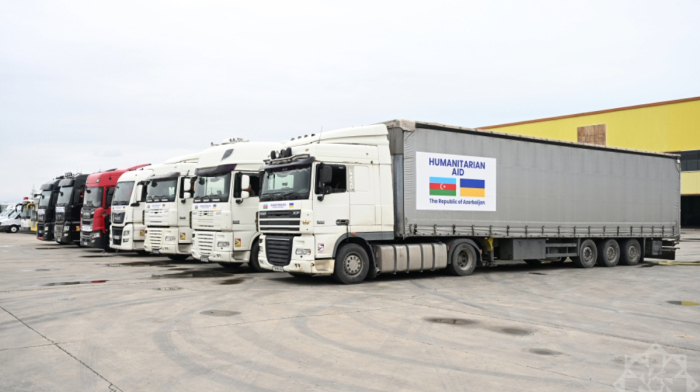
- Trade resumed after decades: Azerbaijan began exporting fuel to Armenia for the first time in decades, marking the start of direct economic engagement between two countries that had previously recorded almost no commercial exchange.
- Regular commercial deliveries established: What began as a single fuel shipment developed into routine rail deliveries of petrol and diesel products throughout the first half of 2026.
- Bilateral trade expanded rapidly: Azerbaijani exports to Armenia grew from an initial fuel shipment in December 2025 to more than $17 million by mid-2026, demonstrating how quickly commercial ties can develop when political barriers are reduced.
- Implementation framework adopted: Publication of the TRIPP Implementation Framework provided governments, investors and international partners with a clearer roadmap for the corridor's future development.
- Energy and transport integration advanced: Leaders from both countries publicly discussed future energy interconnection and broader regional transit cooperation during international meetings, including the World Economic Forum in Davos.
- People-to-people initiatives emerged: Beyond government diplomacy, civil society efforts such as the Bridge of Peace initiative sought to foster trust and dialogue between communities.
Timeline from inception -
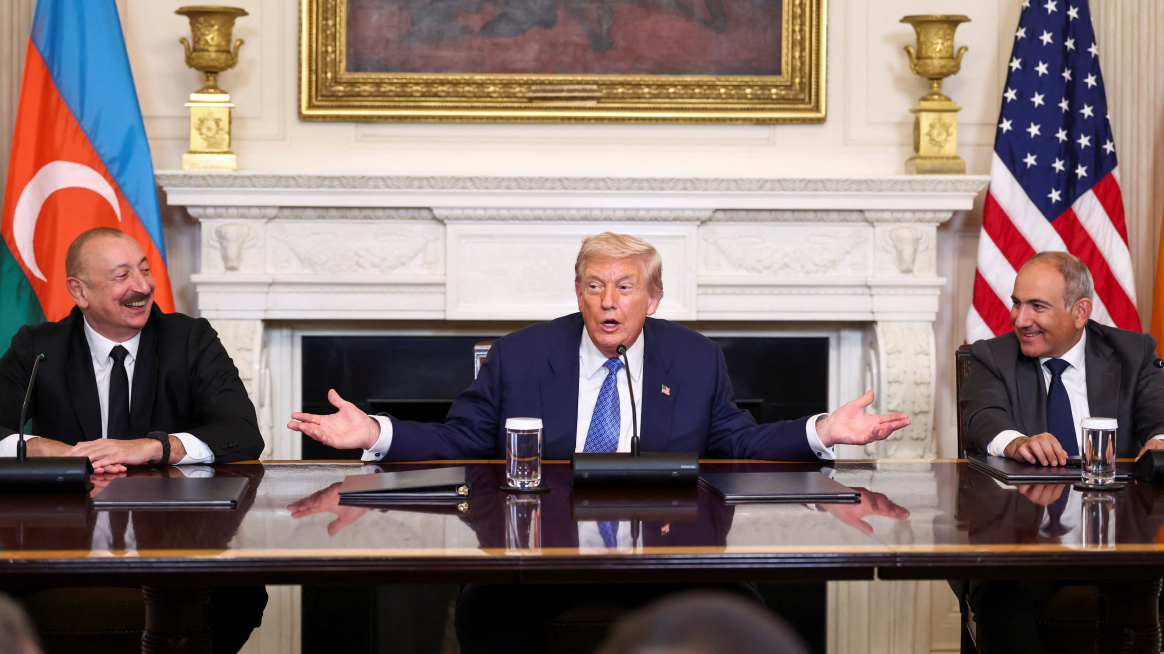
• 8 August 2025: White House breakthrough
At a White House summit hosted by U.S. President Donald Trump, Azerbaijani President Ilham Aliyev and Armenian Prime Minister Nikol Pashinyan initialled a peace declaration. Alongside the agreement, TRIPP was introduced as a regional transport, energy and digital connectivity framework designed to support long-term peace through economic integration.
• 29 August 2025: Agreements formalised
The U.S. State Department published the official summit documents, giving formal diplomatic status to the agreements reached in Washington and creating a framework for future implementation.
• October 2025: Funding and working groups announced
The U.S. committed $145 million for TRIPP-related infrastructure and confirmed the establishment of working groups involving Armenia, Azerbaijan and the U.S. to oversee implementation.
• 18 December 2025: First fuel shipment
Azerbaijan exported 1,220 metric tonnes of RON 95 petrol to Armenia by rail via Georgia, representing the first such shipment in decades and one of the earliest practical outcomes of the Washington agreements.
• January 2026: Trade begins to grow
Exports from Azerbaijan to Armenia reached $2.403 million during the month, consisting largely of petrol and diesel products transported by rail.
• 13 January 2026: Implementation framework unveiled
U.S. Secretary of State Marco Rubio and Armenian Foreign Minister Ararat Mirzoyan presented the TRIPP Implementation Framework, providing a roadmap for corridor governance and development while preserving Armenian sovereignty.
• January 2026: Davos reinforces momentum
At the World Economic Forum in Davos, leaders highlighted future energy interconnection plans and pointed to growing cooperation in trade, transport and logistics.
• February 2026: Trade becomes routine
Approximately 4,500 tonnes of diesel fuel were delivered from Azerbaijan to Armenia, indicating that the arrangements established after the summit had become operational on a regular basis.
• February 2026: Civil society engagement begins
The Bridge of Peace initiative brought together participants to discuss confidence-building measures and future cooperation between the two societies.
• March 2026: Commercial ties strengthen
Azerbaijani exports to Armenia reached $4.22 million, while officials from both countries discussed expanding the range of goods eligible for future trade.
• First Quarter 2026: Export totals rise
Total Azerbaijani exports to Armenia reached $5.757 million during the first quarter of 2026, with petroleum products accounting for the majority of exports.
• June 2026: Politics enters the equation
Parliamentary elections in Armenia became an important test of the country's ability to advance reforms linked to the peace process. During the same period, another shipment of approximately 1,000 tonnes of diesel fuel was delivered from Azerbaijan to Armenia.
• July 2026: Trade reaches new highs
Azerbaijani exports to Armenia exceeded $17.1 million during the first half of 2026, underlining the rapid expansion of commercial links since the White House summit.
One year on
Measured solely by infrastructure development, TRIPP remains in its early stages.
However, the initiative has already achieved something that appeared unlikely only a few years ago. It has restored trade between Armenia and Azerbaijan, established formal implementation mechanisms and embedded economic cooperation within a broader peace process.
One year after its launch, TRIPP remains a work in progress, but it has already achieved what was once considered impossible: transforming a former conflict line into a corridor for trade, dialogue and shared economic interests.















What is your opinion on this topic?
Leave the first comment