Trump says China agreed to Nuclear risk talks, defends friendship with Putin
U.S. President Donald Trump has said China agreed for the first time to join trilateral talks on reducing nucle...
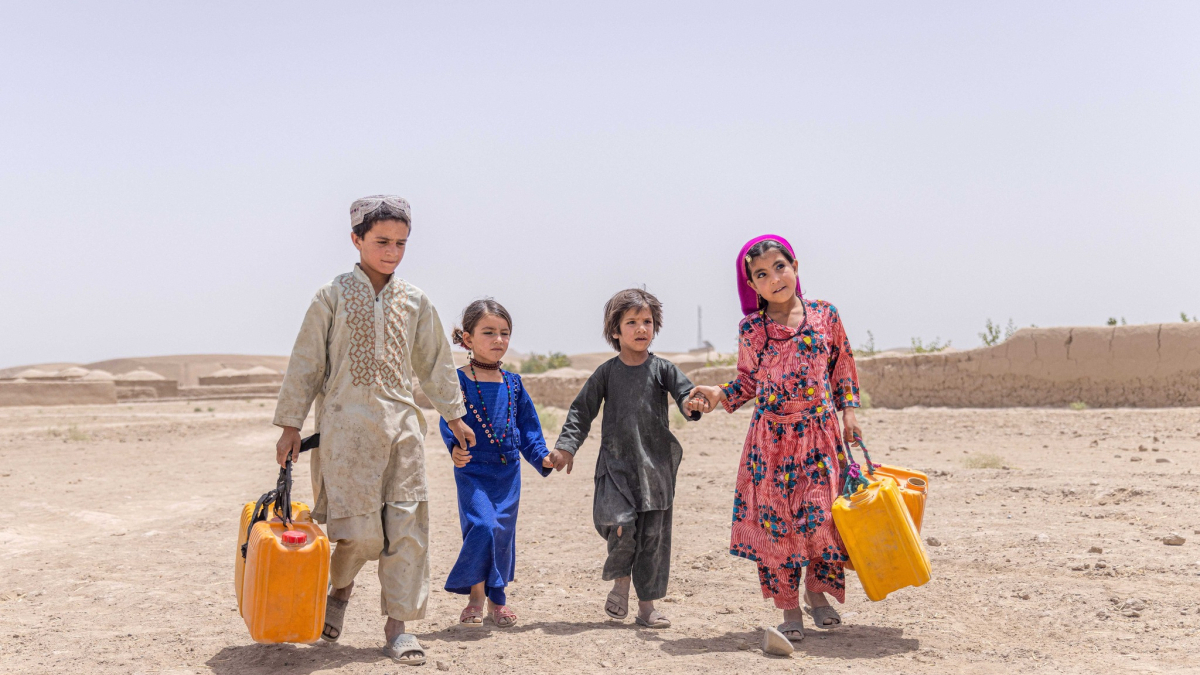
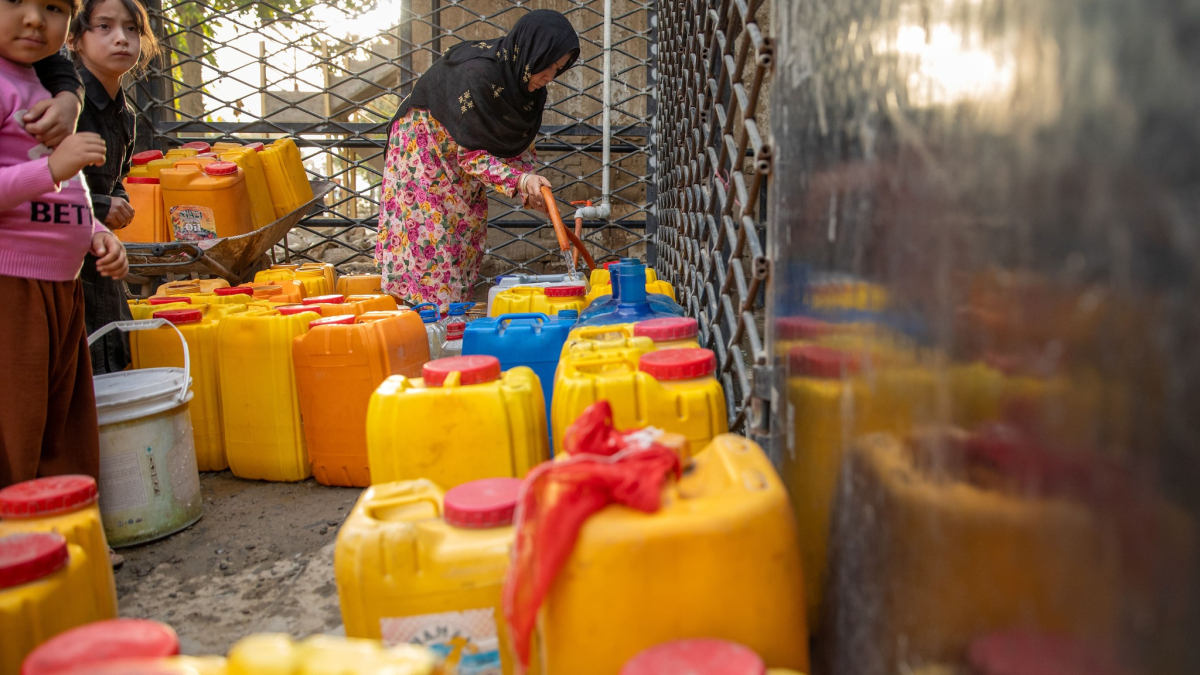
The United Nations Assistance Mission in Afghanistan (UNAMA) has warned ahead of World Environment Day that Afghanistan's worsening water crisis is disproportionately affecting women and girls, who bear much of the responsibility for securing water for their families.
UNAMA said drought and water scarcity remain the country's most widespread environmental threats, affecting more than half the population and damaging agriculture, food security and rural livelihoods.
The mission said the crisis is evident from eastern Nangarhar to southern provinces including Kandahar, Helmand, Nimroz, Zabul and Uruzgan, where rivers are drying up, rainfall is declining and families are drilling deeper wells in search of water.
UNAMA said agricultural output is declining, access to safe drinking water is shrinking and families are being displaced in search of water. It also warned that competition over limited resources is increasing tensions in some communities.
The mission said women and children are among the hardest hit, with limited access to safe drinking water and sanitation increasing the risk of waterborne diseases.

“Access to safe drinking water is a basic human need, yet the responsibility for securing it is far from equal,” UNAMA said, citing the 2026 UN World Water Development Report, coordinated by UNESCO on behalf of UN-Water.
According to UNESCO, women and girls worldwide spend an estimated 250 million hours every day collecting water. The report also states that women collect water in more than 70% of unserved rural households.
UNICEF has said nearly one in three people in Afghanistan lacks access to safe drinking water. It said that in 2025 it supported 2.1 million people in the country with safe water, sanitation and hygiene services.
“As the World prepares to mark Environment Day this Friday, 5 June, this is a powerful reminder that environmental challenges like water scarcity are not gender neutral,” UNAMA said.
AnewZ contacted the spokesperson for Afghanistan's de facto government for comment on UNAMA's statement but had not received a response at the time of publication.
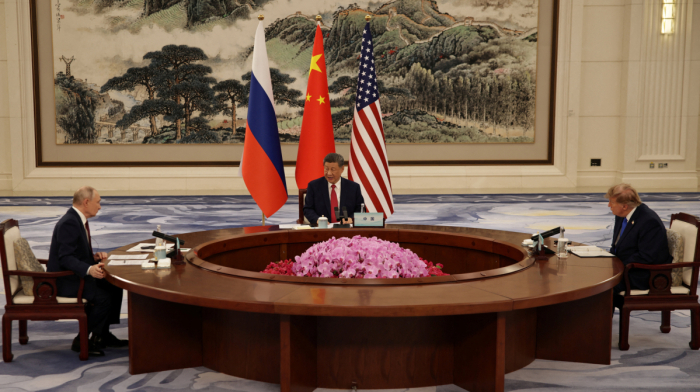
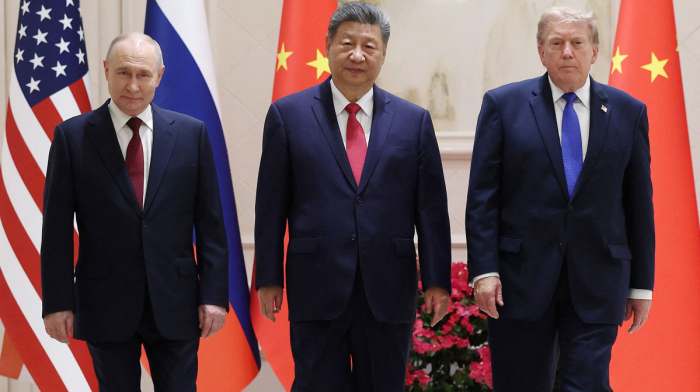
U.S. President Donald Trump, Russian President Vladimir Putin and Chinese President Xi Jinping are holding trilateral talks at the APEC summit in Shenzhen, China, with Ukraine, nuclear arms control and global security on the agenda.
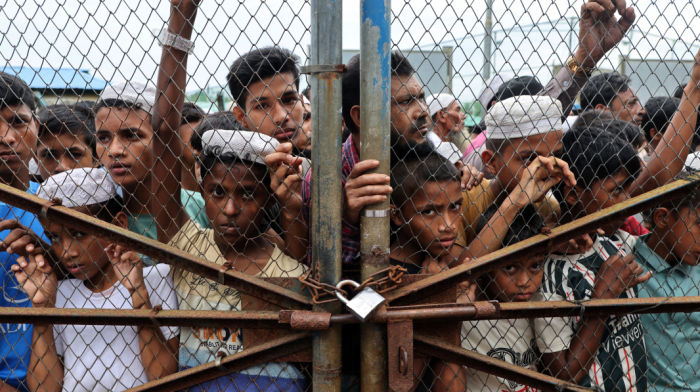
Myanmar's security forces committed genocide against Rohingya Muslims during a brutal military crackdown in 2017 that killed thousands and involved widespread sexual violence, the United Nations' top court ruled on 19 November.
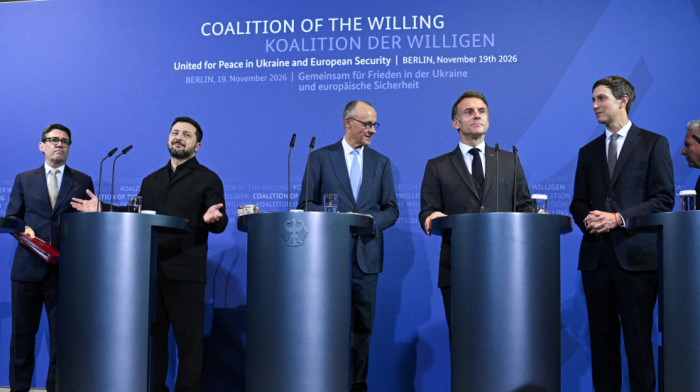
European leaders backing Ukraine met in Berlin on Thursday 19 November and warned that no peace deal should be settled without them.
U.S. President Donald Trump, China's Xi Jinping and Russia's Vladimir Putin have issued a joint “declaration of peace” following historic talks in southern China, but stopped short of committing to nuclear arms reductions or addressing the war in Ukraine in their joint statement.
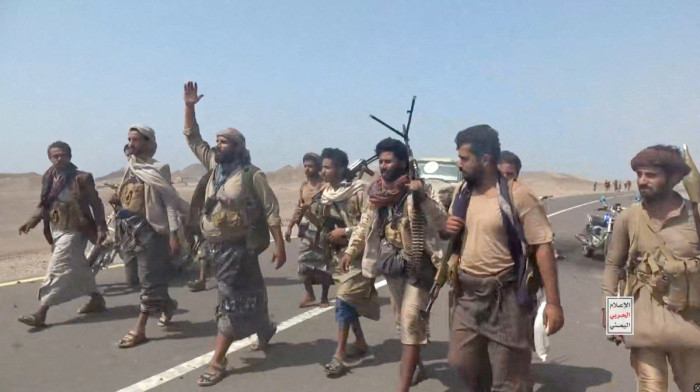
Saudi Arabia is preparing for up to six more months of fighting against Yemen’s Houthis, potentially extending the conflict into spring 2027, Reuters reported, as the kingdom struggles to secure gains on the ground.
U.S. President Donald Trump has said China agreed for the first time to join trilateral talks on reducing nuclear risk at this week’s summit with Russia’s Vladimir Putin and China’s Xi Jinping.
The United Nations' highest court has ruled that Myanmar committed genocide against its Rohingya Muslim minority during a 2017 military crackdown that forced hundreds of thousands to flee their homes.
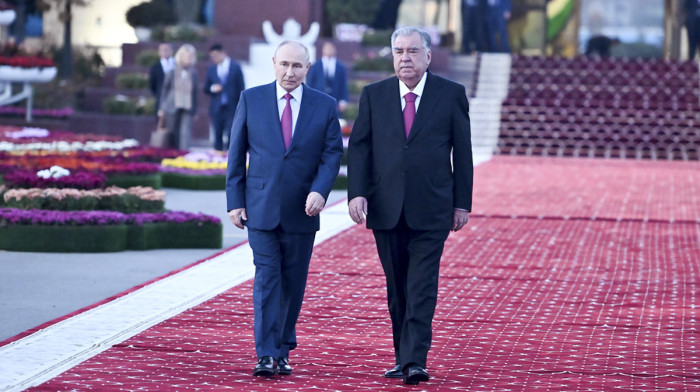
Tajik President Emomali Rahmon and Russian President Vladimir Putin held talks in Dushanbe on 20 November, focusing on labour migration, security along Tajikistan’s border with Afghanistan and the future of Russia’s military presence in the country.
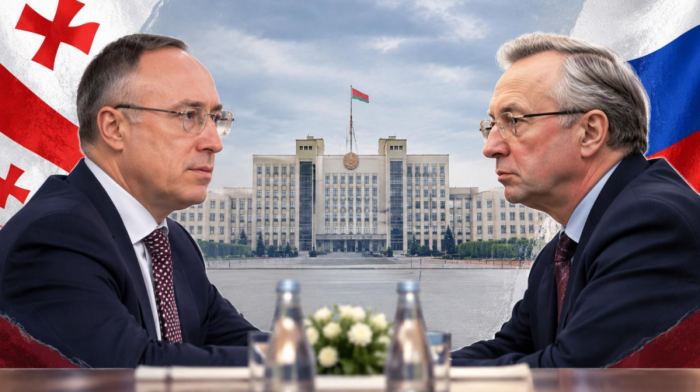
Georgia and Russia have resumed direct official talks, with senior diplomats meeting in Minsk on 19 November to discuss trade, economic cooperation and regional security, despite longstanding tensions between the two countries.
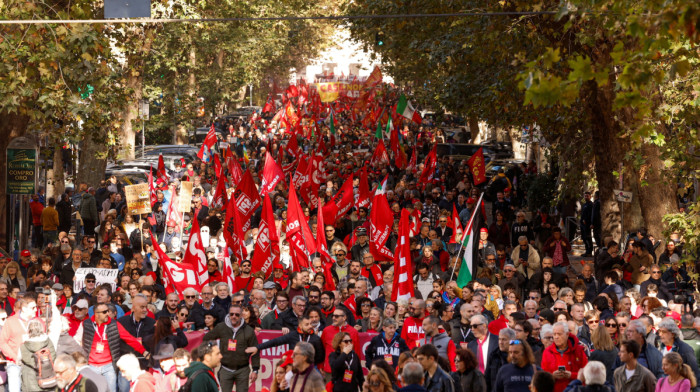
Students and workers took to the streets across Europe on Friday, 20 November, demanding better pay, affordable housing and more funding for education and public services, while protesting against rising military spending.
You can download the AnewZ application from Play Store and the App Store.
What is your opinion on this topic?
Leave the first comment