Kyrgyzstan is hosting the sixth World Nomad Games, bringing together thousands of athletes from around the world for a celebration of traditional sports, cultural heritage and nomadic traditions.
The event, taking place from 31 August to 6 September 2026 and marks the return of the Games to Kyrgyzstan, where the first edition was held in 2014. Athletes representing more than 100 countries are expected to participate in competitions ranging from horseback sports and wrestling to archery, hunting traditions and intellectual games.
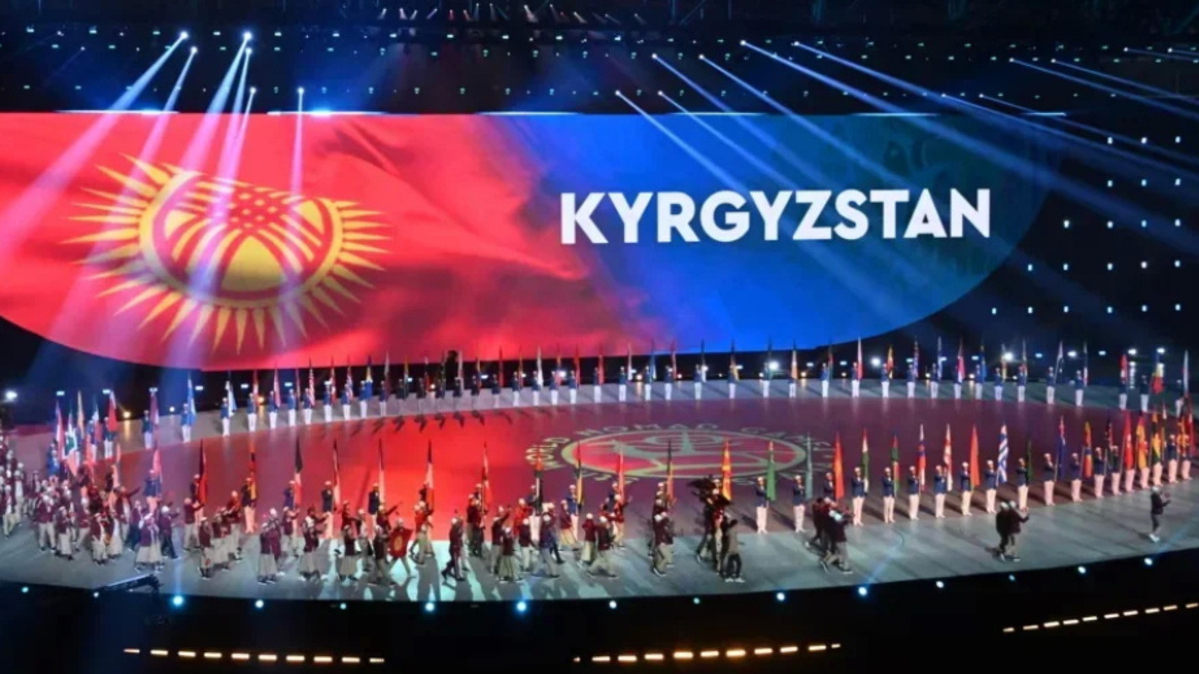
The opening ceremony is being held at the brand new Bishkek Arena stadium Monday evening, while many of the main competitions and cultural activities are taking place around Lake Issyk-Kul, including Cholpon-Ata and the Kyrchyn Gorge.
The World Nomad Games have become one of the largest international platforms dedicated to preserving and promoting the traditional sports and cultural practices of nomadic communities.
What are the World Nomad Games?
The World Nomad Games are an international sporting and cultural festival focused on traditional games, customs and knowledge developed among nomadic societies.
Often described as the “Olympics of the nomadic world”, the event goes beyond conventional sports competition. It combines traditional athletics with cultural exhibitions, scientific discussions, music, crafts and demonstrations of historical lifestyles.
The event's main goal is to protect and promote cultural traditions that have been passed down through generations but are increasingly at risk of disappearing due to modernisation.
The competitions highlight skills that were once essential for survival across the Eurasian steppe and mountains, including horse riding, hunting, wrestling, archery and strategic thinking.
How did the World Nomad Games begin?
The idea for the World Nomad Games emerged in Kyrgyzstan as part of efforts to preserve the cultural heritage of nomadic people.
The first edition was held in 2014 in Cholpon-Ata, a resort town on the northern shore of Lake Issyk-Kul. The inaugural Games attracted athletes and cultural representatives from nearly 20 countries.
The event quickly expanded. The second and third editions, held in 2016 and 2018, brought together thousands of participants from dozens of countries and established the Games as an international platform.
After Kyrgyzstan hosted the first three editions, the event moved abroad. Türkiye organised the fourth Games in İznik in 2022, while Kazakhstan hosted the fifth edition in Astana in 2024.
The 2026 Games represent a return to Kyrgyzstan and a new stage in the development of the event.
What makes the 2026 Games different?
The sixth World Nomad Games are expected to be the largest edition so far.
Organisers say athletes from 112 countries have applied to participate, with around 3,000 competitors expected to take part.
The programme includes 42 traditional sports, covering equestrian competitions, wrestling, archery, hunting traditions, strength contests and intellectual games.
Countries from Central Asia, the Caucasus, Europe, Asia, the Middle East and North America are participating, reflecting the growing international interest in traditional sports.
Azerbaijan is also represented at the Games through sporting, cultural and scientific programmes.
Where are the Games taking place?
The event is centred around two main locations: Bishkek and the Issyk-Kul region.
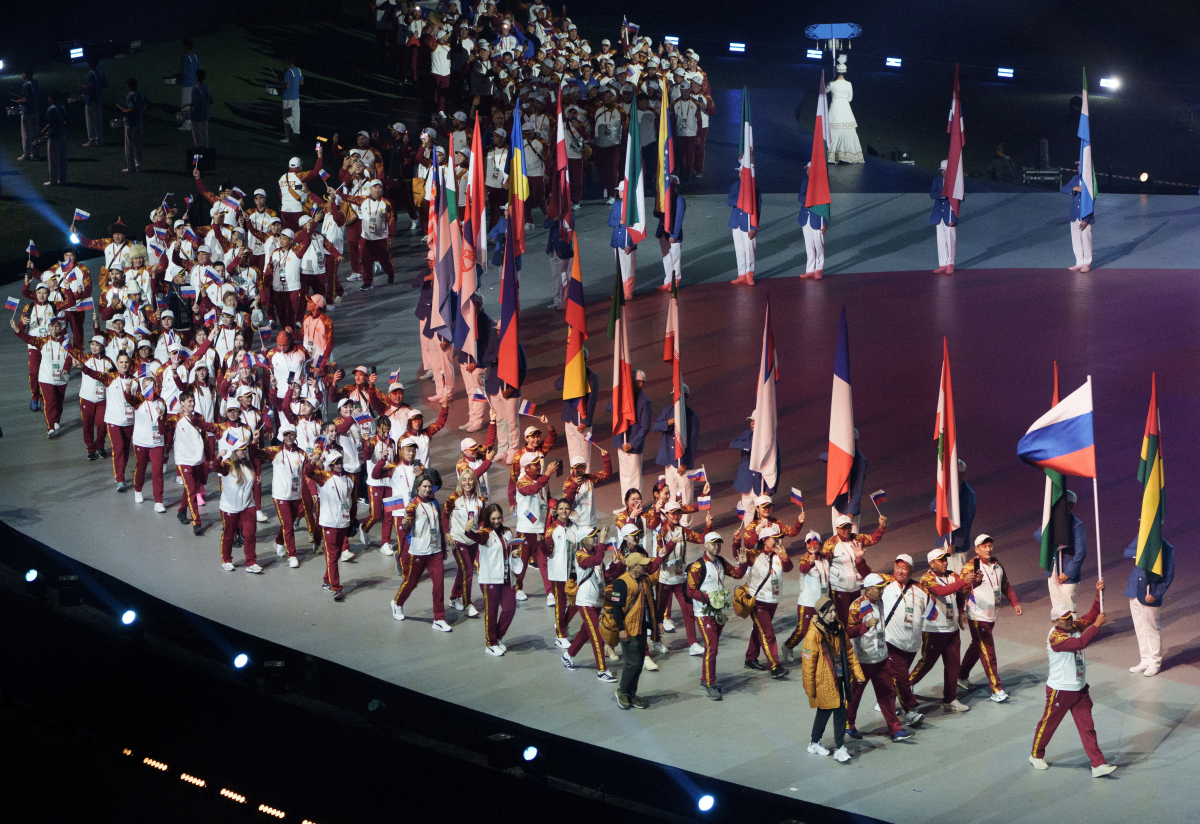
The opening ceremony takes place in Bishkek Arena, bringing together athletes, cultural representatives and foreign guests.
After the opening events, much of the competition moves to the Issyk-Kul area, including Cholpon-Ata, which has historical significance as the birthplace of the World Nomad Games.
The Kyrchyn Gorge hosts cultural programmes featuring traditional villages, crafts, performances and demonstrations of nomadic life.
The spectacular landscape of Lake Issyk-Kul, surrounded by the Tian Shan mountains, provides the backdrop for many of the events.
Kok boru: the symbol of nomadic sport
The most famous competition at the World Nomad Games is kok boru - kind of like a football on horseback.
The traditional match is often compared to polo but is far more physical. Riders compete to control a goat carcass (or an artificial mold), and throw it into the opposing team’s goal while moving at full speed on horseback.
The sport requires exceptional riding ability, strength, teamwork and tactical awareness.
For centuries, variations of this game were played across Central Asia, where horsemanship was a key part of everyday life.
Today, kok boru has become a symbol of Kyrgyz cultural identity and one of the biggest attractions for international visitors.
Horseback wrestling and traditional riding skills
Equestrian sports are at the heart of the World Nomad Games.
Er enish, or horseback wrestling, challenges riders to unseat their opponents while remaining on their four legged mammals.
Unlike ordinary wrestling, competitors must control both their own movements and those of their horses.
The Games also feature traditional horse racing disciplines, where riders demonstrate speed, endurance and the close relationship between humans and animals.
These competitions reflect the historical importance of horses in nomadic societies, where they were essential for transport, communication and survival.
Wrestling, strength and archery
The Games include a wide range of traditional combat and strength sports.
Alysh belt wrestling is one of the most popular disciplines. Athletes compete while holding onto their opponent’s belt, using balance, technique and physical power to achieve victory.
Other wrestling styles and strength competitions demonstrate different regional traditions.
Archery is another major part of the programme. Competitors test their accuracy with traditional bows, both from the ground and while riding horses.
Historically, archery was not only a sport but also a vital skill for hunting and defence among many nomadic communities.
Eagle hunting and the art of salbuurun
One of the most visually impressive traditions presented at the Games is eagle hunting.
The salbuurun tradition combines falconry, hunting skills, archery and horsemanship.
Competitions involving birds of prey demonstrate the relationship between hunters and trained eagles, testing the animals’ response to commands and their ability to perform traditional hunting techniques.
For communities in Central Asia, eagle hunting represents more than a competition, it is a cultural practice that connects generations through knowledge, patience and respect for nature.
Traditional games of the mind
The World Nomad Games are not only about physical strength.
The programme also includes intellectual competitions such as toguz korgool, a traditional strategy game often compared to chess.
Players compete by calculating moves ahead and managing resources on specially designed boards.
Other traditional board games highlight the importance of strategic thinking, mathematics and mental discipline in nomadic cultures.
These events demonstrate that nomadic heritage includes not only physical skills but also systems of knowledge and philosophy.
Azerbaijan’s participation
Azerbaijan is participating in the sixth World Nomad Games with representatives involved in sports, cultural and scientific programmes.
The country’s participation reflects historical and cultural links with other Turkic and Eurasian communities, particularly through traditions such as horse riding, wrestling and traditional games.
Azerbaijan has also been connected to the development of the World Nomad Games project since its early stages.
World Nomad Games and regional diplomacy
The 2026 Games are taking place at the same time as another major international event in Kyrgyzstan, the Shanghai Cooperation Organisation (SCO) summit in Bishkek.
The overlap places Kyrgyzstan in the spotlight as a centre for both diplomacy and cultural exchange.
While the SCO summit focuses on political, economic and security cooperation, the World Nomad Games highlight cultural connections between societies across Eurasia.
Together, the two events present Kyrgyzstan as a meeting point for international dialogue, heritage and cooperation.
Why the World Nomad Games matter
The World Nomad Games are more than a sporting competition. They represent an attempt to preserve traditions that shaped the history of millions of people across the Eurasian steppe.
From horseback warriors and eagle hunters to wrestlers and traditional strategists, the Games bring ancient skills into the modern international arena.
For Kyrgyzstan, the event is both a celebration of national identity and a message to the world: nomadic heritage remains a living tradition, not just a memory of the past.












What is your opinion on this topic?
Leave the first comment