Morocco offers cooperation on return of minors from Spain's Ceuta
Morocco has expressed its readiness to work with Spain and other European partners to identify and return unaccompanied minors following the mass arri...
More than 400 people were killed and around 250 injured in an air strike on a drug rehabilitation hospital in Kabul late on Monday, Afghan officials said, while Pakistan rejected the claim, calling it “false and misleading.”
Afghanistan’s deputy spokesman, Hamdullah Fitrat, said the strike hit the state-run Omid Addiction Treatment Hospital at around 9:00 pm, destroying large sections of the facility and causing heavy casualties.
Summarising the scale of the damage, he said: “Large parts of the hospital have been destroyed, and there are fears of heavy casualties. Sadly, the number of those killed has so far reached 400, with up to 250 others injured.”
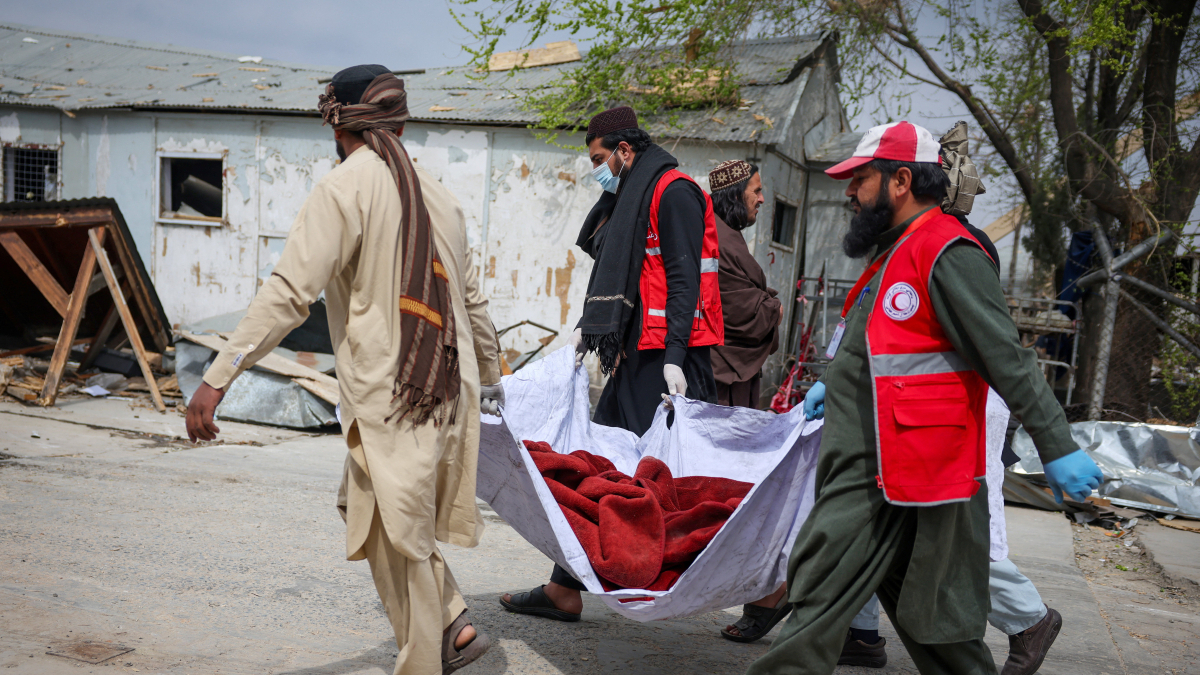
In an official statement, he added: “Rescue teams are currently at the scene working to control the fire and recover the remaining bodies of the victims.”
Pakistan rejected Kabul’s claim, stating it had “precisely targeted military installations and terrorist support infrastructure” during overnight operations.
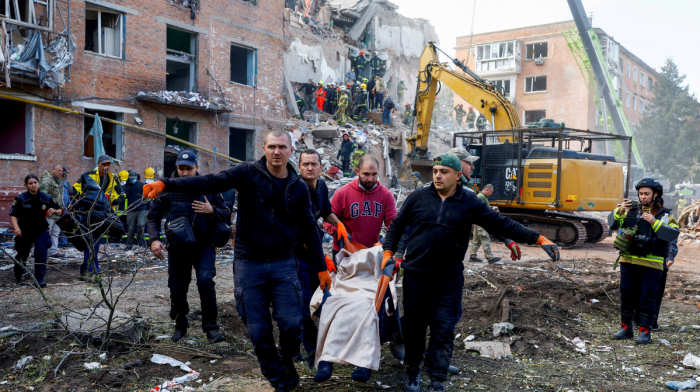
Witnesses described multiple explosions as patients completed evening prayers. Local media footage showed flames engulfing parts of the complex, while emergency workers carried bodies on stretchers.
The strike marks a sharp escalation in the month-long conflict between the neighbours, who share a 2,600-kilometre border. Both sides have traded accusations, with Islamabad alleging Kabul shelters militants - a claim denied by Afghan authorities.
International reaction has been swift. The United Nations Special Rapporteur, Richard Bennett, said he was “dismayed” by reports of civilian casualties, urging restraint and respect for international law.
China also called for calm. Foreign Ministry spokesperson Lin Jian said: “Dialogue and negotiation are the only effective way to solve the problems between the two countries,” urging both sides to return to talks.
India condemned the strike, calling it a “cowardly and unconscionable act” and urging accountability.
The latest strike underscores a deepening crisis between Afghanistan and Pakistan, with violence intensifying and civilian casualties continuing to rise.

U.S. President Donald Trump said there was an "all-day negotiation" on Tuesday with Iran, characterising the talks positively while also threatening to hit Iran "really hard" if a deal was not reached.
Shipping traffic through the Strait of Hormuz and the Bab el-Mandeb Strait, two key maritime chokepoints in the region, decreased significantly from the previous day, according to shipping data.
Start your day informed with AnewZ Morning Brief. Here are the top news stories for the 6th of August, covering the latest developments.
Kazakhstan’s main oil export corridor was disrupted by drone strikes near Russia’s Black Sea coast in July, forcing a temporary suspension of crude loadings and raising fresh concerns over the vulnerability of regional energy infrastructure to the war in Ukraine.
U.S. President Donald Trump said negotiations to reopen the Strait of Hormuz are progressing and suggested an agreement with Iran could be reached “soon”.
Uzbekistan and Kazakhstan will remove tariff and non-tariff barriers affecting around 20 product categories from 10 August, in a move designed to facilitate cross-border trade and support businesses in both countries.
President Masoud Pezeshkian has defended his administration's economic performance under longstanding Western sanctions and severe wartime conditions, saying barter trade with neighbouring countries has expanded to help Iran cope with financial restrictions, according to his office.
Armenian Prime Minister Nikol Pashinyan has said that Armenia currently has no option to join the European Union as an alternative to its membership in the Eurasian Economic Union (EAEU).
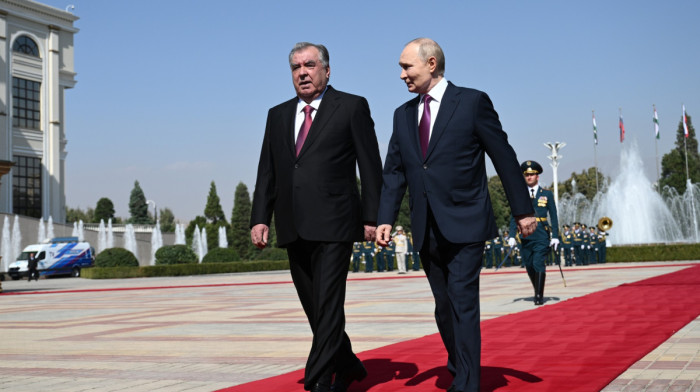
Tajikistan tripled fuel imports from neighbouring Central Asian countries in July after deliveries from Russia declined sharply, underscoring how disruptions to Russian exports are prompting governments across the region to seek alternative suppliers.
The installation of the first fibre-optic cable across the bottom of the Caspian Sea has been completed, marking a major step in the development of a new digital corridor connecting Europe and Asia.
You can download the AnewZ application from Play Store and the App Store.
What is your opinion on this topic?
Leave the first comment