U.S. President Donald Trump said Washington could destroy Iran’s infrastructure “in two days,” while Tehran warned the U.S. would face growing economic costs from the conflict. The remarks came as Hezbollah reported new attacks on Israeli forces despite an extended Lebanon ceasefire.
⦿ 10:57 GMT | UPDATE
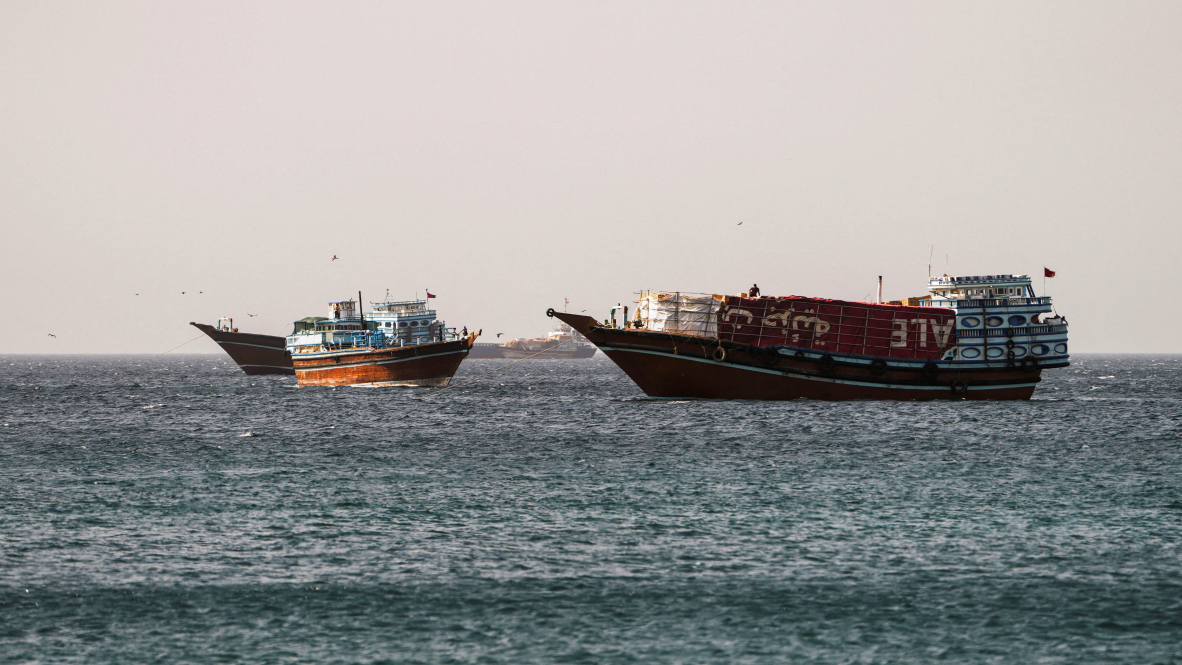
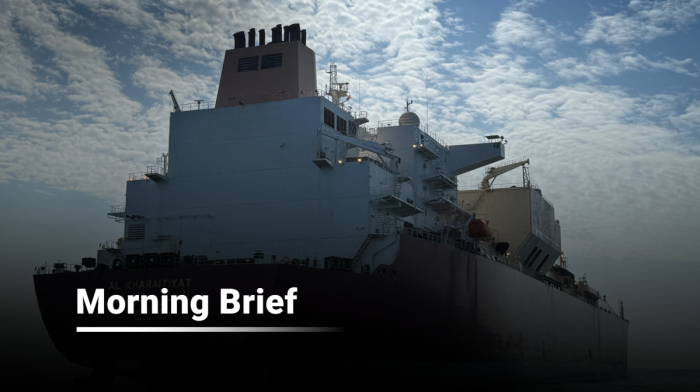
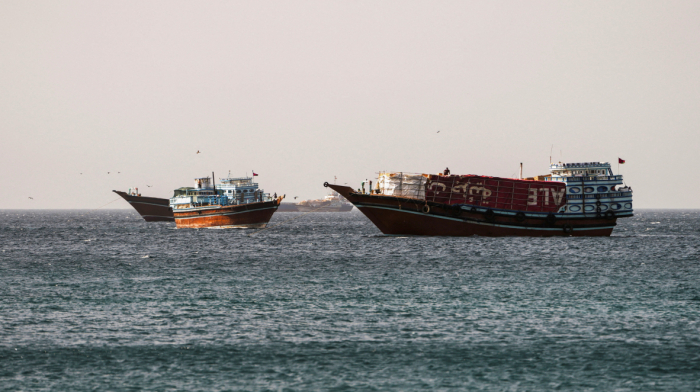
Iran will announce Strait of Hormuz mechanism, collect fees
Reuters
Iran has prepared a mechanism to manage traffic through the Hormuz along a designated route that will be unveiled soon, the head of the Iranian parliament's national security committee Ebrahim Azizi said.
Azizi added that only commercial vessels and parties cooperating with Iran would benefit from the arrangement.
He said fees would be collected for specialised services provided under the mechanism.
⦿ 09:57 GMT | UPDATE
Rising diesel costs from Iran war strain U.S. school budgets
Reuters
Soaring diesel prices since the onset of the Iran war are draining already tight U.S. school district budgets, making it more expensive to bus students and run generators in a shock officials say they will not be able to afford for long.
School districts from Yakima, Washington to Waco, Texas are tapping emergency funding reserves to keep buses running.
In remote Alaska, officials are scrambling to secure enough fuel to keep the lights on, according to Reuters interviews.
⦿ 09:00 GMT | UPDATE
UAE says OPEC, OPEC+ exit was sovereign strategic decision
Reuters
The United Arab Emirates said its decision to withdraw from OPEC and OPEC+ was a sovereign and strategic move based on a broad assessment of its production policy and future capabilities.
The UAE energy minister added that the decision was not politically motivated and did not reflect divisions with partner countries.
⦿ 07:45 GMT | UPDATE
Iraq exported 10 million barrels of oil in April through Hormuz
Reuters
Iraq exported 10 million barrels of oil in April via the Strait of Hormuz, the country’s new oil minister, Basim Mohammed, said at a press conference on Saturday.
Mohammed said Iraq plans to engage with OPEC to boost the country’s production and export capacity, adding that Baghdad aims to reach a production capacity of 5 million barrels per day.
⦿ 07:00 GMT | UPDATE
Soccer-FIFA officials to meet Iranian FA to discuss World Cup
Reuters
FIFA Secretary-General Mattias Grafstrom will meet Iranian FA (FFIRI) officials in Istanbul on Saturday and offer "reassurance" over Iran's participation in the World Cup.
Iran is scheduled to play all three World Cup group matches in the United States but the team's participation in the 11 June to 19 July tournament has been in question since the U.S. and Israel attacked Iran in late February.
⦿ 05:49 GMT | UPDATE
U.S. accuses Iraqi man of aiding Iran-backed militia plans
Reuters
An Iraqi national accused of involvement in multiple attacks against U.S. interests in Europe has been arrested and brought to the U.S. to face six terrorism-related counts, the U.S. Justice Department said on Friday.
Prosecutors said the suspect, Mohammad Baqer Saad Dawood Al-Saadi, was a senior member of the Iran-backed militia Kata’ib Hezbollah and accused him of providing material support to a foreign terrorist organisation.
Al-Saadi is accused of coordinating or supporting nearly 20 attacks and attempted attacks across Europe and the United States, "including his efforts to kill on U.S. soil," said U.S. Attorney Jay Clayton.
⦿ 04:02 GMT | UPDATE
South Korea rejects Iran’s reported plan to impose Hormuz transit fees
Anadolu
South Korea’s oceans minister is opposed to Iran’s reported move to impose fees on ships passing through the strategically vital Strait of Hormuz, calling the action a violation of international law.
Speaking at a news conference, Hwang Jong-woo said the waterway is an international shipping route where free navigation must be guaranteed, according to Yonhap News.
“Charging shipping tolls in the strait is practically equivalent to blocking the waterway,” said Hwang, adding that, the Strait of Hormuz consists of international waters protected under international agreements.
⦿ 03:40 GMT | UPDATE
Hezbollah reports new attacks on Israeli forces
Anadolu
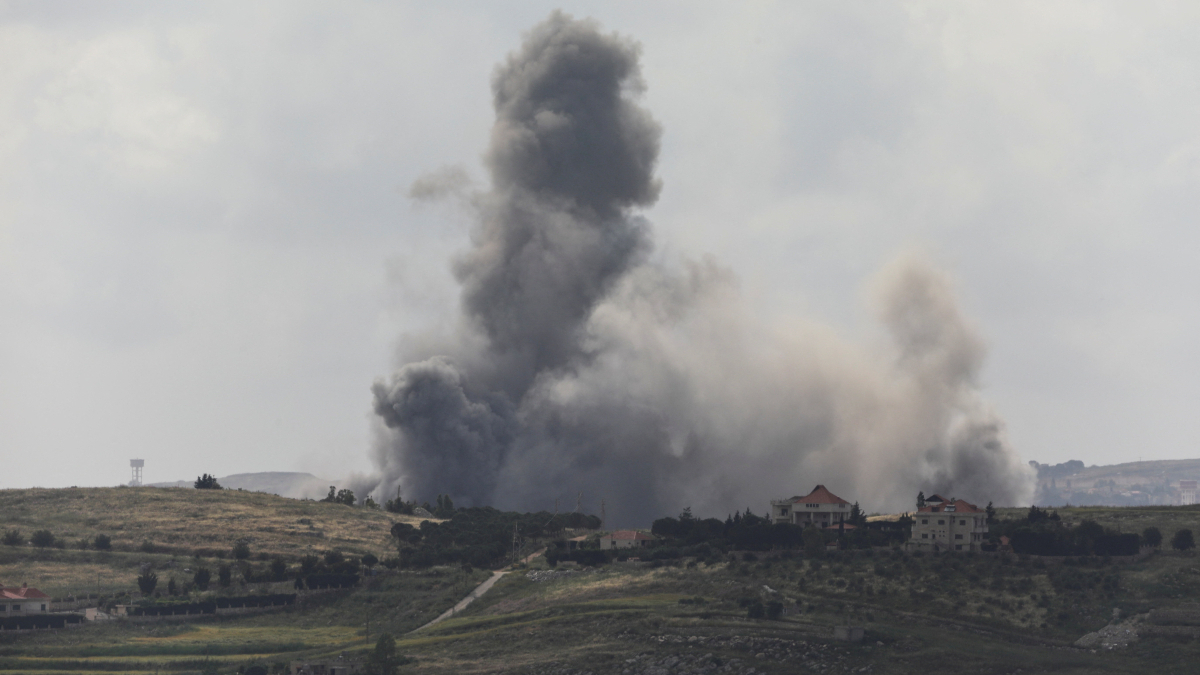
Hezbollah said that it had carried out 33 attacks targeting Israeli forces, military positions, and vehicles in southern Lebanon over the past 24 hours.
The group said the attacks were carried out in response to continued Israeli violations of the ceasefire agreement and attacks on civilians and areas in southern Lebanon.
In separate statements, Hezbollah said the attacks targeted Israeli troop and vehicle gatherings in the towns of Rashaf, Qouzah, and Hadatha.
⦿ 03:16 GMT | UPDATE
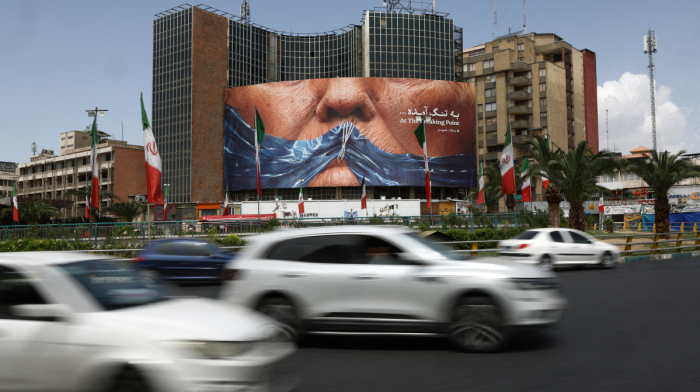
Iran’s foreign minister warns U.S. of rising economic costs
Anadolu
The U.S. will face growing economic consequences from its “war of choice” on Iran, the Iranian foreign minister warned Saturday.
Abbas Araghchi said on X that Americans would be forced to bear the rising costs of a conflict with Tehran.
⦿ 02:49 GMT | UPDATE
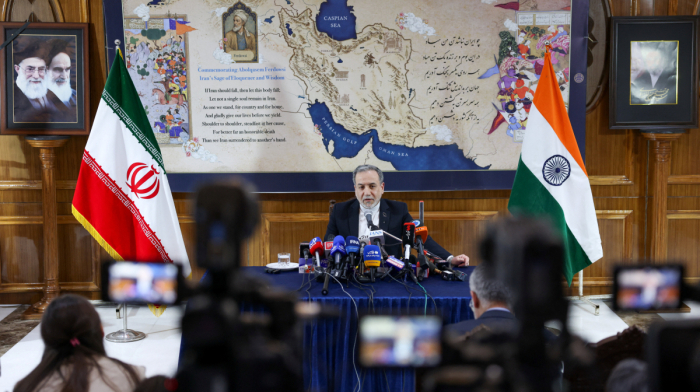
UAE says it needs no external protection
Anadolu
The United Arab Emirates said that it does not seek protection from any party and is capable of deterring aggression, while reaffirming its right to defend its sovereignty and territorial integrity.
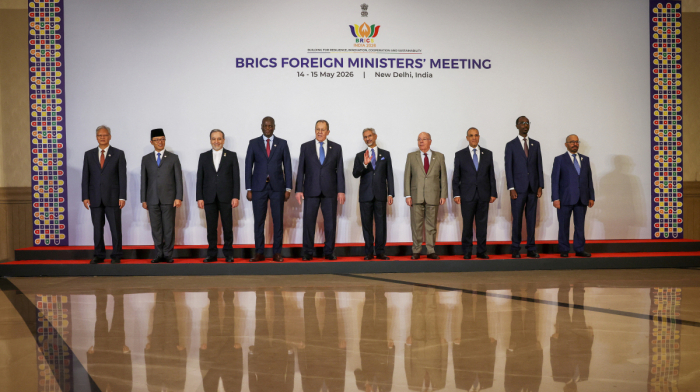
The remarks were made by Minister of State Khalifa Shaheen Al Marar during a meeting of BRICS bloc foreign ministers in New Delhi.
Al Marar rejected Iranian accusations and criticism directed at the UAE and dismissed attempts to justify attacks targeting the country and others in the region.
⦿ 02:40 GMT | UPDATE
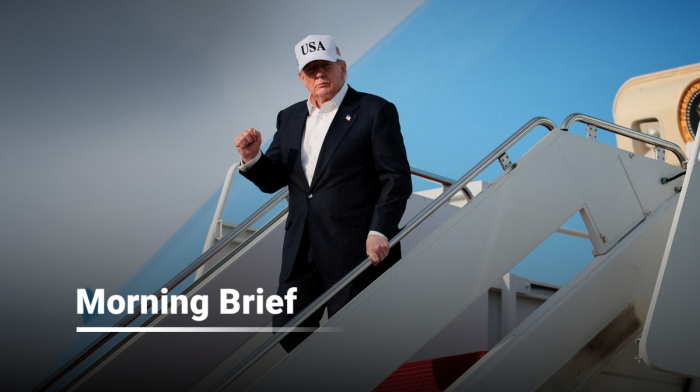
Trump claims U.S. can 'knock everything out in two days' in Iran
Anadolu
U.S. President Donald Trump said Friday that Washington could rapidly destroy Iranian infrastructure, while insisting he had not underestimated Tehran's resilience in the war.
"I didn't underestimate anything. We hit them unbelievably hard," Trump said in an interview with Fox News.
He added that the U.S. "left their bridges, we left their electricity capacity. We can knock that all out in two days. Everything."
Trump described repeated breakdowns in diplomacy with Iran, saying negotiations had become unreliable and unpredictable.













What is your opinion on this topic?
Leave the first comment