Iran’s Parliamentary Speaker Mohammad Bagher Ghalibaf warned that the U.S. military blockade of Iran’s southern ports could trigger a new global financial crisis as the Tehran-Washington standoff around the strategic Strait of Hormuz persists.
His comments came on Thursday after reports of rising U.S. Treasury bond yields, which he said would ultimately be used to fund what he described as the “cosplay” of U.S. Secretary of Defense Pete Hegseth at the strategic waterway linking the Persian Gulf to the Sea of Oman.
“So you're funding Hegseth the failed TV host at rates unheard of since 2007, so he can cosplay as Secretary of War in our backyard in Hormuz?” he said in a post on the social media platform X.
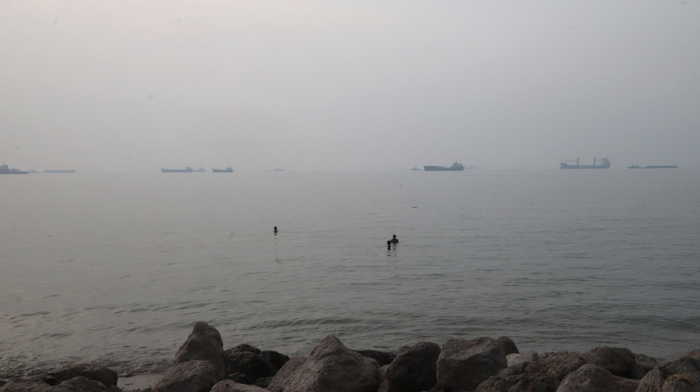
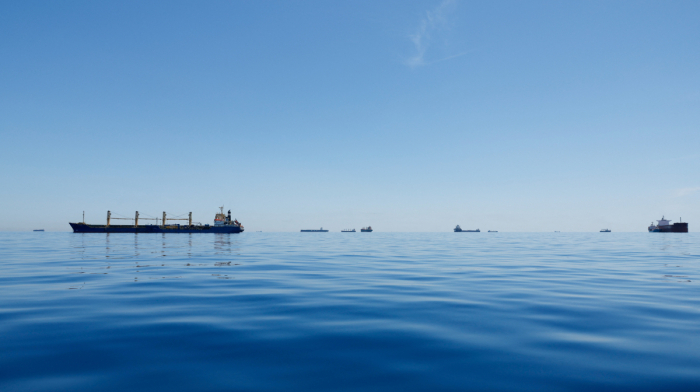
Ghalibaf criticised the U.S. Navy’s blockade of Iranian southern ports and Washington’s escalating standoff with Tehran over control of the waterway, through which around 20 per cent of global energy supplies previously transited before the Israel-U.S. war on Iran on 28 February.
The Iranian parliamentary speaker also reposted reports about U.S. inflation and rising Treasury yields after the sale of 30-year bonds at a yield of 5 per cent, the highest level since 2007.
“You know what's crazier than $39 trillion in debt? Paying a pre-GFC premium … and all you'll get is a brand new GFC.”
Yields on 30-year U.S. Treasury bonds have recently risen above 5 per cent, reaching levels not seen since 2007, ahead of the global financial crisis.
Higher bond yields generally reflect expectations of elevated inflation and interest rates, which can increase government borrowing costs.
Iran defends tanker seizures
Meanwhile, judiciary spokesman Asghar Jahangir defended the seizure of U.S.-linked tankers under domestic and international law, condemning what he described as U.S. “piracy” against Iranian ships.
“The seizure of American tankers is a matter based on domestic and international laws. In addition, according to the 1982 Convention on the Law of the Sea, a coastal state can seize ships of another country for violating domestic and international laws and regulations in its maritime territories or on the high seas,” he said in a statement on Thursday.
Jahangir added that Tehran’s seizure of the tankers was “not equal to and commensurate with the hostile and predatory behavior of the United States in its piracy” against Iranian ships.
“The U.S. President has openly admitted to and even boasted about piracy,” the spokesman said.
“The international community and its affiliated institutions must stand up to this arrogant unilateralism of the United States; the Washington regime has made a mockery of all universal rights and rules,” the statement added.
Araghchi urges diplomacy
Foreign Minister Abbas Araghchi, who is in New Delhi for the BRICS foreign ministers’ meeting, also reacted to U.S. President Donald Trump’s latest threat of war against Iran during his visit to Beijing.
Speaking on the sidelines of the meeting, Araghchi said the U.S. should seek a solution to its dispute with Iran outside the military sphere.
“I hope they will put aside this rhetoric and move toward logic. They will not achieve anything from adopting this path,” state-owned IRNA news agency quoted Araghchi as saying.













What is your opinion on this topic?
Leave the first comment