U.S.-Iran deal could be signed in Europe at weekend, Trump says
U.S. Donald Trump has said he has cancelled planned strikes on Iranian oil and gas ports announced earlier on Thursday. Trump said he made the decisio...
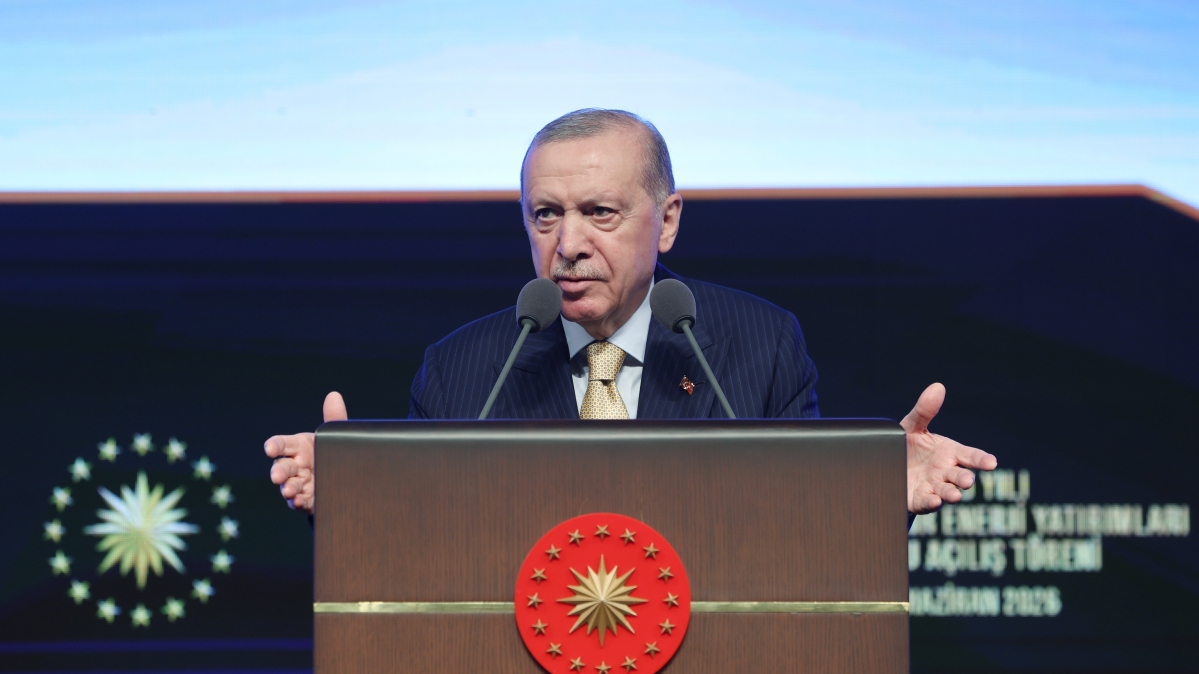
Disruptions to global energy routes have transformed energy security from an economic concern into a matter of national security, Turkish President Recep Tayyip Erdoğan said on Wednesday.
Speaking at an event in Ankara focused on renewable energy investment, Erdoğan attributed persistent supply disruptions to the ongoing war in Ukraine and recent tensions around the Strait of Hormuz.
“The Russia-Ukraine war and the tensions experienced in the Strait of Hormuz have once again shown that energy supply security is a matter of national security,” the Turkish leader said.
He added that recent geopolitical developments had highlighted both the vulnerability of international energy markets and the strategic importance of secure supply chains.
Erdoğan also said Türkiye was close to achieving its longstanding goal of becoming a regional energy centre through investments in renewable energy, natural gas infrastructure and international energy corridors.
“We are steadily advancing toward our objective of making Türkiye an energy hub,” Erdoğan said, pointing to recent investments in solar and wind power along with intensified efforts to expand energy trade with neighbouring countries.
Türkiye, which imports most of its energy needs, has long sought to reduce its dependence on foreign suppliers while leveraging its geographic position between energy-producing regions and European markets.
The issue has gained greater urgency since Russia’s 2022 invasion of Ukraine disrupted energy flows across Europe, prompting affected countries to seek alternative sources and supply routes.
More recently, tensions involving the Strait of Hormuz - one of the world’s most critical oil transit chokepoints - have further heightened concerns over energy security.
Ankara has responded by promoting several major energy transit projects, including the Trans-Anatolian Natural Gas Pipeline, which carries Azerbaijani gas to Europe.
Türkiye has also increased investment in renewable energy as it seeks to reduce reliance on imported fossil fuels through greater use of solar and wind power for electricity generation.

Mexico and South Africa meet in Thursday’s World Cup opener in Mexico City, with both teams approaching the match from very different positions but facing their own pressures.
Azerbaijan's Foreign Ministry says 19 citizens have been repatriated following a deadly drone attack on two cargo ships in the Sea of Azov on 5 June.
The Pakistani city of Karachi is struggling under severe heat and humidity as the country enters a prolonged heatwave period. The Pakistan Meteorological Department (PMD) has warned of above-normal temperatures across much of the country between 7 and 12 June.
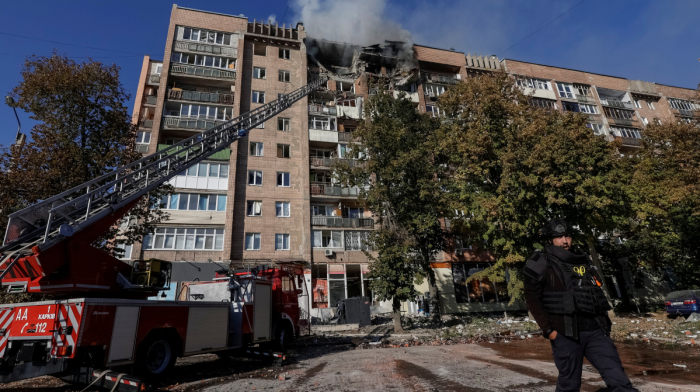
Ukraine's military said it struck a Russian "shadow fleet" tanker in the Black Sea as part of ongoing efforts to disrupt Moscow's energy and logistics networks. The move underscores Kyiv's focus on targeting maritime assets it says are used to bypass sanctions on Russian oil exports.
U.S. forces say they have completed strikes on Iranian military sites near the Strait of Hormuz. Iran responded with missile attacks on an American base in Jordan, marking a sharp escalation in tensions between the two sides.
Russia has once again offered warm words to Tbilisi, with Foreign Ministry spokeswoman Maria Zakharova praising Georgia's efforts to safeguard its sovereignty and saying Moscow is ready to deepen ties.
Azerbaijan dispatched 17 railway wagons carrying 984 tonnes of diesel fuel to Armenia on Thursday, marking the latest shipment in growing trade between the two countries.
The U.S. is deepening engagement with Central Asia on critical minerals as global competition for strategic resources intensifies. The issue dominated talks in Astana between Washington and the five Central Asian states.
Israel's cabinet is expected to approve a plan on Thursday (11 June) to allocate around one billion shekels ($338 million) for settlement development in the West Bank, according to reports and anti-settlement campaigners.
India is expected to receive below-average rainfall over the next two weeks, particularly across central and northern regions, as weather systems known as western disturbances slow the advance of the annual monsoon, senior weather officials said.
You can download the AnewZ application from Play Store and the App Store.
What is your opinion on this topic?
Leave the first comment