More than 2,000 detained as Delhi protests demand India election chief’s resignation
Indian police detained more than 2,000 protesters in Delhi on Saturday as authorities blocked a planned demonstration calling for the resignation o...
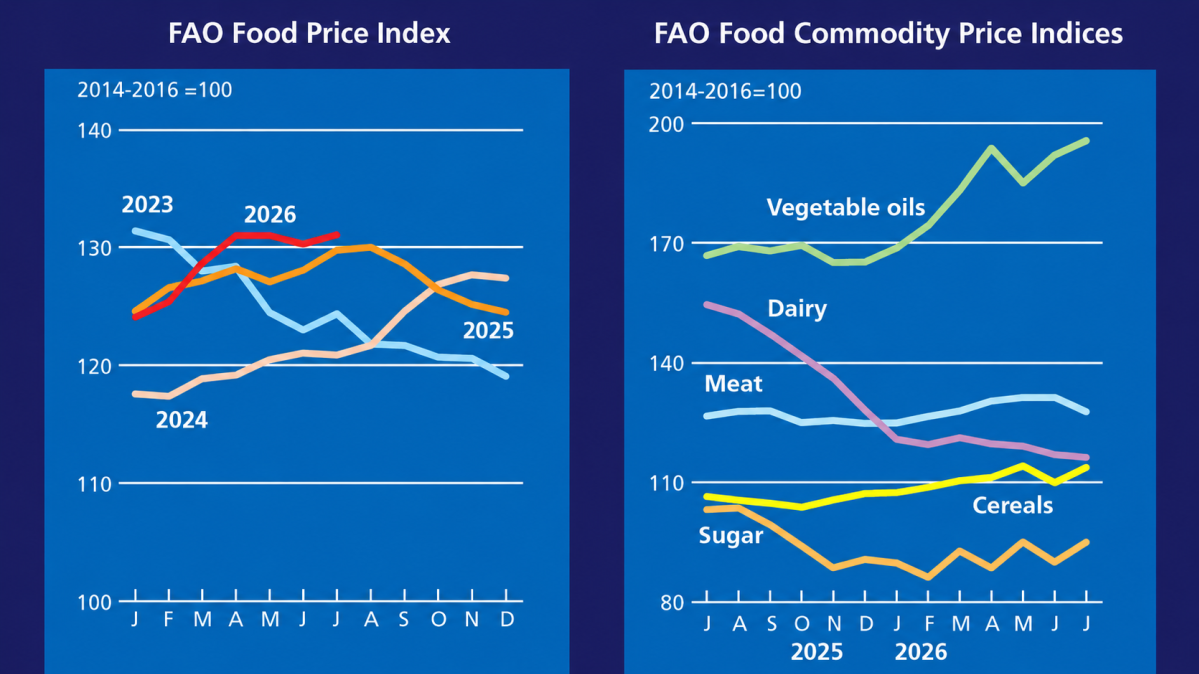
Global food commodity prices rose in July to their highest level since January 2023, driven by higher cereal, sugar and vegetable oil prices, according to the UN Food and Agriculture Organization (FAO).
The FAO Food Price Index averaged 131.1 points, up 0.6 per cent from June and 1 per cent from a year earlier. Despite the increase, prices remained 18.2 per cent below their record high reached in March 2022.
The FAO Cereal Price Index rose 3.4 per cent month on month to 113.8 points, with wheat prices increasing 5.8 per cent.
The FAO attributed the rise to concerns over disruptions to Black Sea export flows, damage to export infrastructure and the impact of heatwaves on crops in several major producing regions.
Maize prices also rose 3.6 per cent, partly due to hot and dry conditions in parts of the U.S. Corn Belt and stronger energy prices amid heightened geopolitical tensions.
The Vegetable Oil Price Index increased 2 per cent to 195.7 points, its highest level since June 2022. Higher palm and soybean oil prices outweighed declines in sunflower and rapeseed oil.
Palm oil prices were supported by strong biodiesel demand in Indonesia and higher crude oil prices, while soybean oil benefited from robust feedstock demand and stronger global imports.

The Sugar Price Index climbed 5.6 per cent in July, although it remained 8 per cent below its level a year earlier. The increase was driven by concerns over hot and dry weather in Europe and production risks in major Asian producers.
Expectations of stronger ethanol demand in Brazil also supported sugar prices, as higher ethanol blending requirements could divert more sugarcane towards fuel production.
The rise in food prices was partly offset by lower meat and dairy costs.
The FAO Meat Price Index fell 2.8 per cent in July, marking its first monthly decline of the year, while remaining 0.8 per cent above its level a year earlier.
The Dairy Price Index declined 0.7 per cent, extending a downward trend that began in April. Lower prices for butter and milk powders outweighed an increase in cheese prices.
The FAO said geopolitical tensions and extreme weather continue to create upward pressure on some agricultural commodities, keeping supply risks in focus despite global food prices remaining well below their 2022 peak.
Leaders of countries from the Commonwealth of Independent States (CIS) have agreed to hold coordinated population censuses around 2030. They took the decision at the CIS Council of Heads of State meeting in Awaza, Turkmenistan on Friday, media reported.
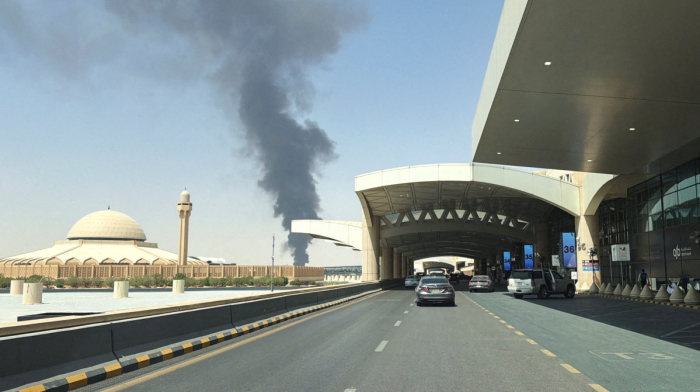
A powerful explosion has been reported at King Khalid International Airport in Riyadh, raising fresh concerns over aviation security in Saudi Arabia as tensions across the region continue to escalate.
Britain and Israel have reached a temporary compromise over the future of the British Consulate General in East Jerusalem, easing a diplomatic dispute that had threatened to further strain relations between the two countries.
South African judge Navanethem “Navi” Pillay won the Nobel Peace Prize on Friday “for her efforts to promote peace and international law,” the Norwegian Nobel Committee said.
The U.S. has imposed sanctions on the International Criminal Court (ICC) on Friday (9 October) escalating tensions with European allies and potentially targeting companies that provide services to the tribunal. The move came hours after former ICC judge Navi Pillay won the Nobel Peace Prize.
Indian police detained more than 2,000 protesters in Delhi on Saturday as authorities blocked a planned demonstration calling for the resignation of Chief Election Commissioner Gyanesh Kumar over disputed changes to voter lists.
At least 12 people, including three children, have been killed in a Russian attack on the Ukrainian city of Zaporizhzhia, a day after U.S. President Donald Trump announced a deal to ease sanctions on Russian diesel.
Ukrainian President Volodymyr Zelenskyy has criticised U.S. President Donald Trump’s decision to ease sanctions on Russian diesel exports, questioning why Moscow was granted an economic benefit without an apparent concession towards ending the war in Ukraine.
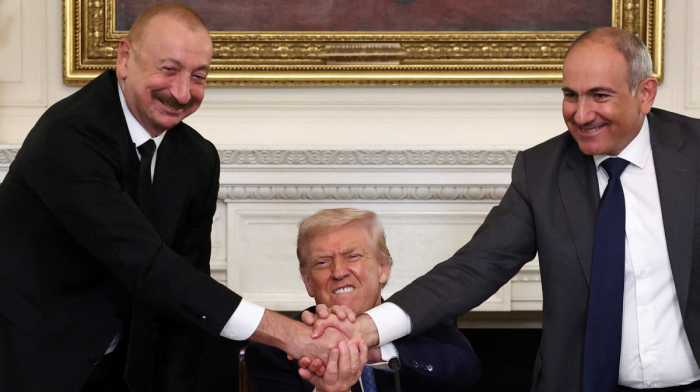
Russian President Vladimir Putin expressed surprise after Donald Trump mediated the Armenia-Azerbaijan peace agreement in 2025, the U.S. President said at a rally in New York state on Friday.
The United Nations has condemned a sharp rise in attacks on civilians in Ukraine, reporting that more than 100 people were killed and at least 429 injured in a single week as Russian strikes hit residential areas, passenger buses and critical infrastructure.
You can download the AnewZ application from Play Store and the App Store.
What is your opinion on this topic?
Leave the first comment