The United Nations Food and Agriculture Organization (FAO) has warned that soaring fertiliser prices could threaten Afghanistan’s 2027 wheat harvest despite favourable growing conditions, appealing for $38.3 million to support farmers before planting.
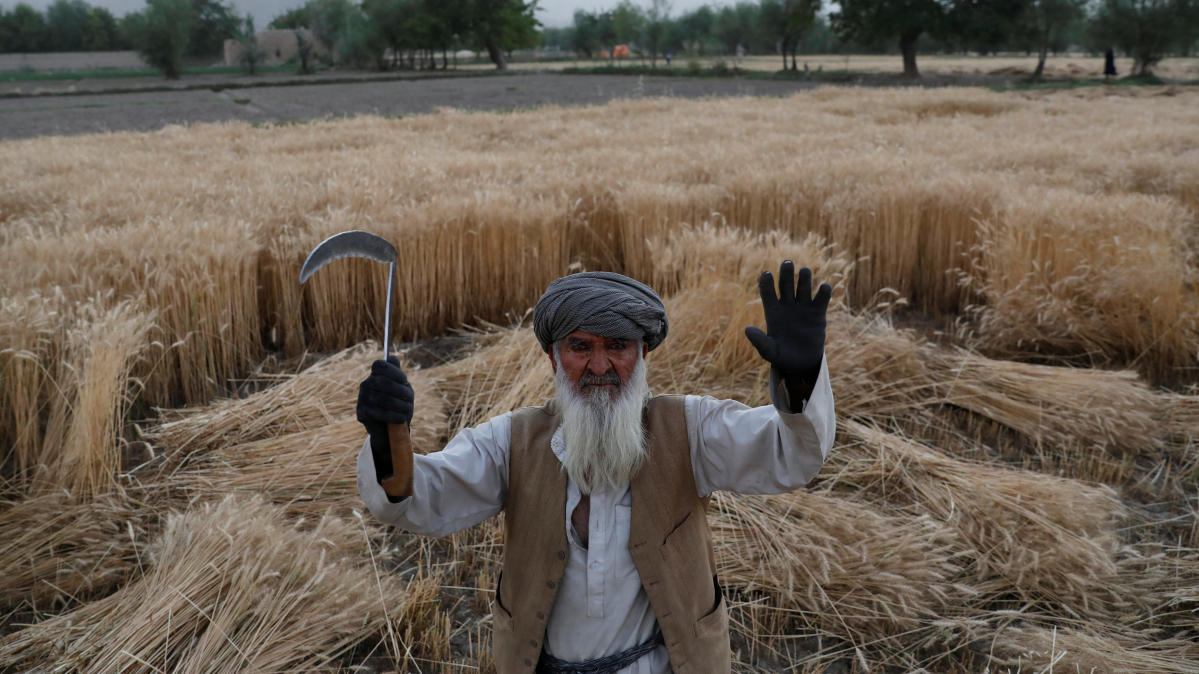
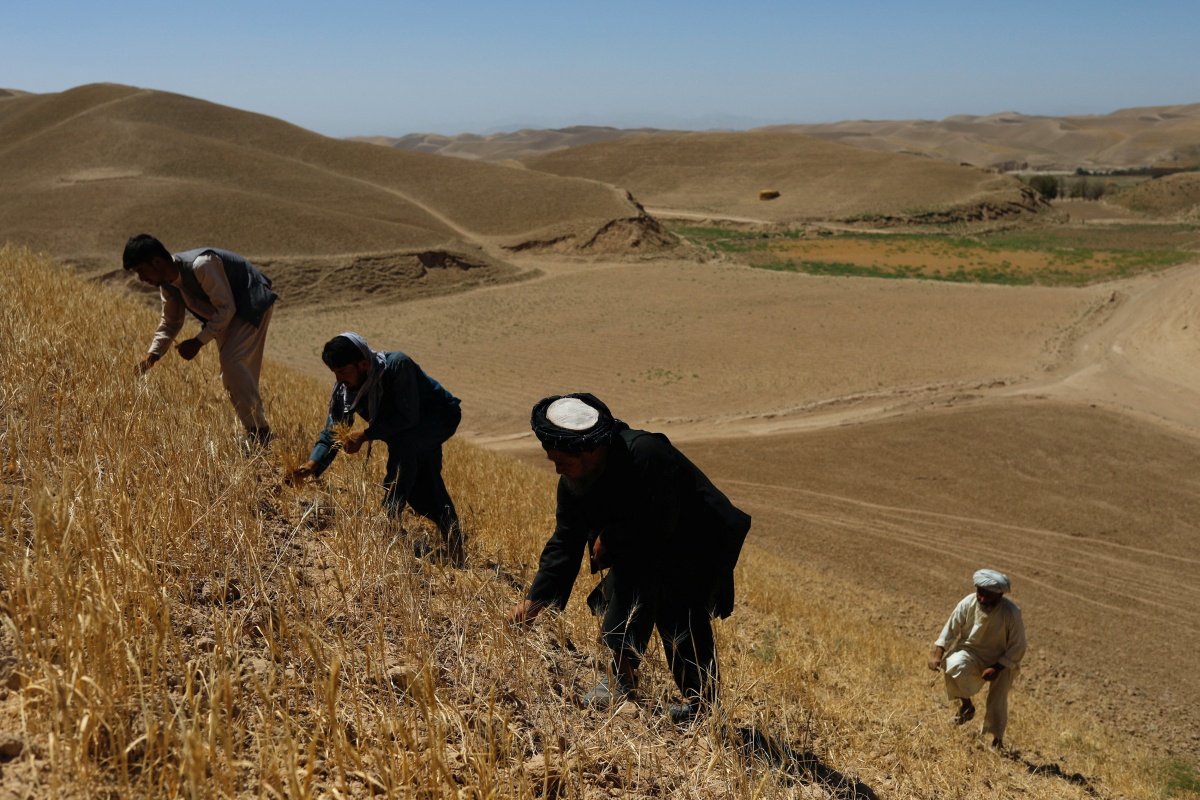
The UN agency said favourable rainfall has created the conditions for a strong wheat harvest, but rising fertiliser prices could significantly reduce yields if farmers cannot afford essential agricultural inputs.
According to the FAO, the funding would enable up to 600,000 farming households to access fertiliser and certified wheat seed before the country’s critical winter wheat planting window.
The organisation attributed the increase in fertiliser prices to disruptions in global markets linked to the 2026 Middle East crisis. It said Afghanistan’s wheat production depends heavily on diammonium phosphate (DAP) and urea because of the country’s naturally low soil fertility.
Summarising the challenge facing Afghan farmers, Richard Trenchard, the FAO Representative in Afghanistan, said, “Afghanistan’s farmers have an opportunity to benefit from a stronger agricultural season after a harsh drought year, but rising fertiliser prices threaten to put that opportunity out of reach for many of the families who need it most.”
He added, “This is not a supply crisis; it is an affordability crisis at one of the most important moments in the agricultural calendar. Fertiliser is available, yet too many farmers cannot afford to buy it.”
The FAO said winter wheat is Afghanistan’s main staple crop and accounts for more than two-thirds of annual fertiliser demand. It warned that high prices could force farmers to use less fertiliser or cultivate less land, reducing food production and increasing debt.
The agency also warned that women-headed households, returnee families and food-insecure rural communities are expected to be among the hardest hit.
Urgent funding appeal
Calling for immediate support, Trenchard said, “The window for action is narrow. Farmers are making decisions now about how much land they can cultivate and whether they can afford the inputs needed for a successful harvest.”
The FAO said wheat yields can rise by 32.8% when certified seed is used with adequate fertiliser. It added that funding secured by mid-September would help farmers obtain essential inputs before planting.
Afghanistan’s Taliban authorities have not publicly responded to the FAO’s appeal.
Read more:





















What is your opinion on this topic?
Leave the first comment