Rescue teams in Afghanistan were searching for survivors and recovering bodies on Tuesday after devastating flash floods swept through the eastern province of Nuristan, killing at least 23 people and leaving more than 100 others missing.
Afghanistan's National Disaster Management Authority said the floods struck on Monday (20 July), causing widespread destruction and the collapse of an undetermined number of buildings. At least 80 people were injured in the disaster, with the provincial capital, Parun, among the hardest-hit areas.
Authorities warned that the death toll could rise as search and rescue operations continue in remote and mountainous locations where access remains difficult.
Extensive damage in Nuristan
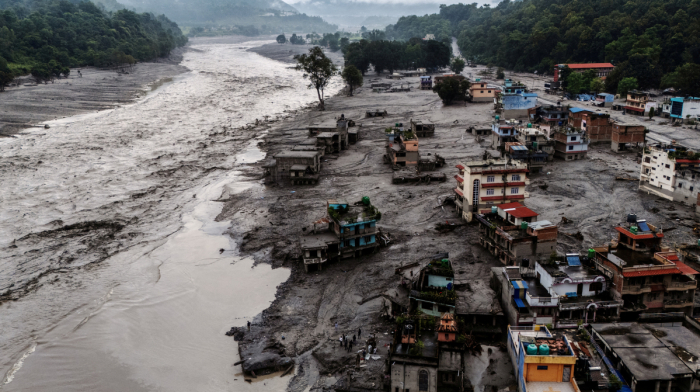
Video footage from Parun showed streets buried under mud, rocks and debris, with rescue crews and residents digging through the rubble of collapsed homes and shops.
Resident Zubair Ahmad described scenes of devastation, saying floodwaters swept away people and destroyed businesses and homes.
"The flooding caused extensive damage and heavy losses for the local people," he said.
Heavy machinery was deployed to clear roads and remove debris, while local volunteers joined emergency teams in the search for missing residents.
More severe weather forecast
Afghanistan's meteorological authorities warned that additional extreme weather could affect 10 of the country's 34 provinces. Forecasts included heavy rain, thunderstorms, strong winds, sandstorms and further flash flooding.
Officials urged residents living near rivers and flood-prone areas to take precautions and avoid locations at risk.
Climate vulnerability increases risks
Afghanistan is among the countries most vulnerable to extreme weather events. Seasonal floods and landslides frequently cause significant loss of life, particularly in remote communities where many homes are built from mud and offer little protection against heavy rainfall.
The effects of climate change, combined with deforestation, poor infrastructure and decades of conflict, have increased the country's exposure to natural disasters.
Nuristan has been particularly susceptible to flash floods because widespread deforestation has reduced the land's ability to absorb rainfall, increasing runoff during storms.
The latest disaster follows a series of deadly weather-related events in recent years. In 2024, more than 300 people were killed by flash floods across Afghanistan, while earlier this year at least 110 people died in flooding and landslides in several provinces.
Rescue efforts are continuing as authorities race to find the more than 100 people still unaccounted for.
Read more:
















What is your opinion on this topic?
Leave the first comment