




11:16 CET
Nuclear security
Georgia arrests man over attempted $700,000 uranium sale
Georgia has detained a man ...


Afghanistan, Iran and Tajikistan have agreed to establish a road transport corridor through Afghanistan to boost regional trade and streamline the movement of commercial cargo. The agreement was reached during talks in Mashhad this week.
Afghanistan's Ministry of Transport and Civil Aviation said cargo travelling between Iran and Tajikistan would transit through Afghan territory.
The ministry said: "Under the agreement, commercial cargo between Iran and Tajikistan will be transported and transited through Afghan territory."
The operational agreement was signed by representatives of the three countries after they reviewed transport capacity, border challenges and ways to strengthen cooperation.
Iranian authorities said the first trial shipment would travel along the route within one month. Trucks from all three countries will take part in the trial to test customs procedures, border operations and coordination.
The three countries also agreed to establish a permanent working group to oversee implementation of the agreement, address operational issues and publish regular progress reports.
The Iranian statement said: "The working group will follow up on the implementation of the decisions, address operational obstacles and issue periodic progress reports."
Officials also agreed to improve border infrastructure, simplify visa arrangements for drivers, reduce waiting times, modernise transport fleets, develop joint insurance arrangements and expand roadside services.
A second trilateral meeting is expected to be held in Kabul in late October.
Goods already traded between Iran and Tajikistan provide an indication of what could use the new corridor. Trade data shows Iran exports products including iron bars, polymers and nuts to Tajikistan, while Tajikistan exports raw cotton, fibreboard and silkworm cocoons to Iran.
Bilateral trade reached about U.S.$120 million in the first quarter of 2026, according to Tajikistan's Customs Service.

Georgia has detained a man ...
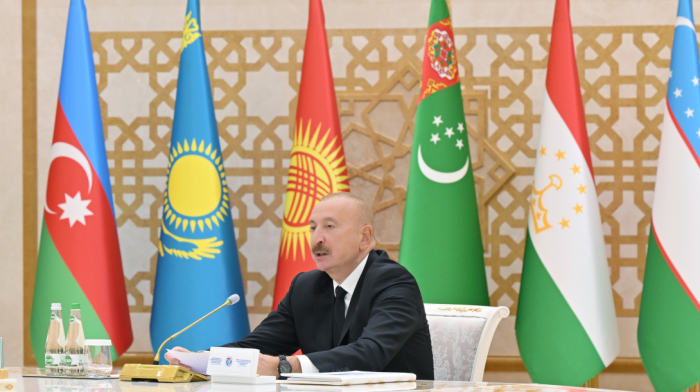
Azerbaijan and the five Central Asian states have signed two key documents at the 8th Consultative Meeting of Heads of State in Turkmenbashi, forma...
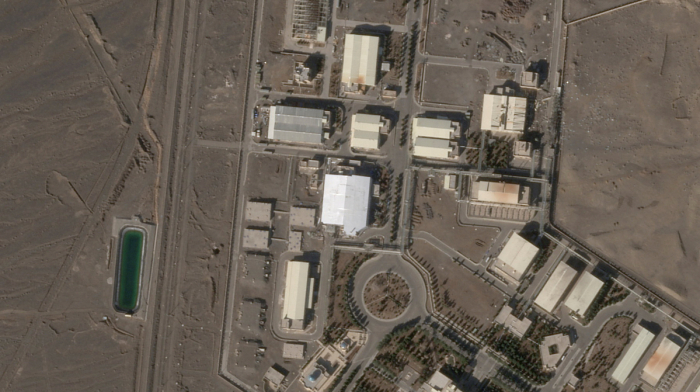
U.S. Vice President JD Vance told Reuters on Monday (5 October) that ...


Russia's health watchdog said on Tuesday that no cases of plague had been detected among anyone who had come into contact with a Siberian plague institute laboratory worker who died last week, and locals said their lives had barely been disrupted.

Russia struck Ukraine overnight in one of the biggest attacks of the conflict, killing at least 19 people, Kyiv's Foreign Ministry said on Wednesday. Around 70 missiles were fired at Ukraine during the attack, as well as drones, the Ministry said.

A large Ukrainian drone attack on Moscow and the surrounding region has killed two people, damaged homes and sparked a major fire at a key fuel facility, according to Russian officials and military bloggers.
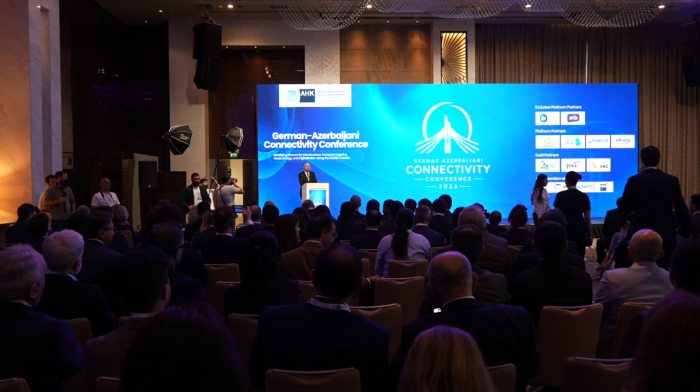
The German-Azerbaijani Connectivity Conference 2026 commenced on 6 October in Baku under the title “Mobilising Finance for Infrastructure, Transport, Logistics, Green Energy, and Digitalisation along the Middle Corridor.”
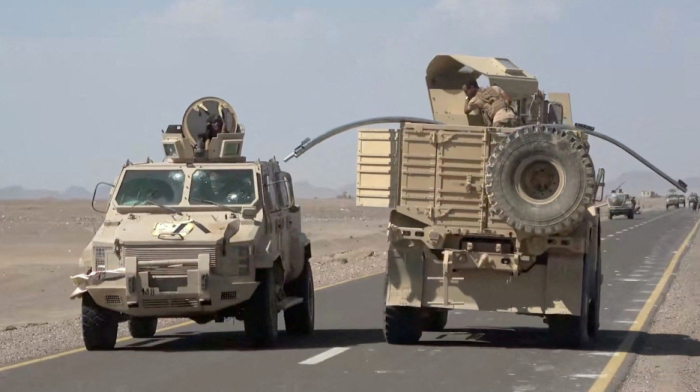
The Saudi-led coalition says it has carried out a series of military operations against Houthi targets in Yemen after attacks on two Saudi airports left three people dead and dozens injured.
Georgia has detained a man who planned to sell uranium-238 to a foreign national for $700,000, the national security service said on Wednesday.
Azerbaijan and the five Central Asian states have signed two key documents at the 8th Consultative Meeting of Heads of State in Turkmenbashi, formalising a broader framework for regional cooperation in transport, trade, energy, digitalisation and security.
U.S. Vice President JD Vance told Reuters on Monday (5 October) that Iran must make a “meaningful” reduction in its uranium enrichment capacity to satisfy U.S. demands and end the countries' seven-month war.
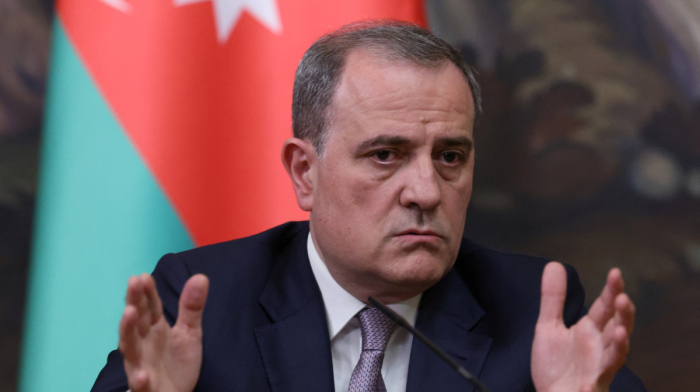
Azerbaijan’s Foreign Minister Jeyhun Bayramov has called for further integration of infrastructure between regional countries to bolster the Middle Corridor trade and logistics network.
The Saudi-led coalition says it has carried out a series of military operations against Houthi targets in Yemen after attacks on two Saudi airports left three people dead and dozens injured.
You can download the AnewZ application from Play Store and the App Store.




What is your opinion on this topic?
Leave the first comment