More than 100,000 return to Afghanistan from Iran and Pakistan in two weeks
More than 100,000 people entered Afghanistan from Iran and Pakistan between 19 July and 1 August, increasing pressure on communities and humanitarian ...
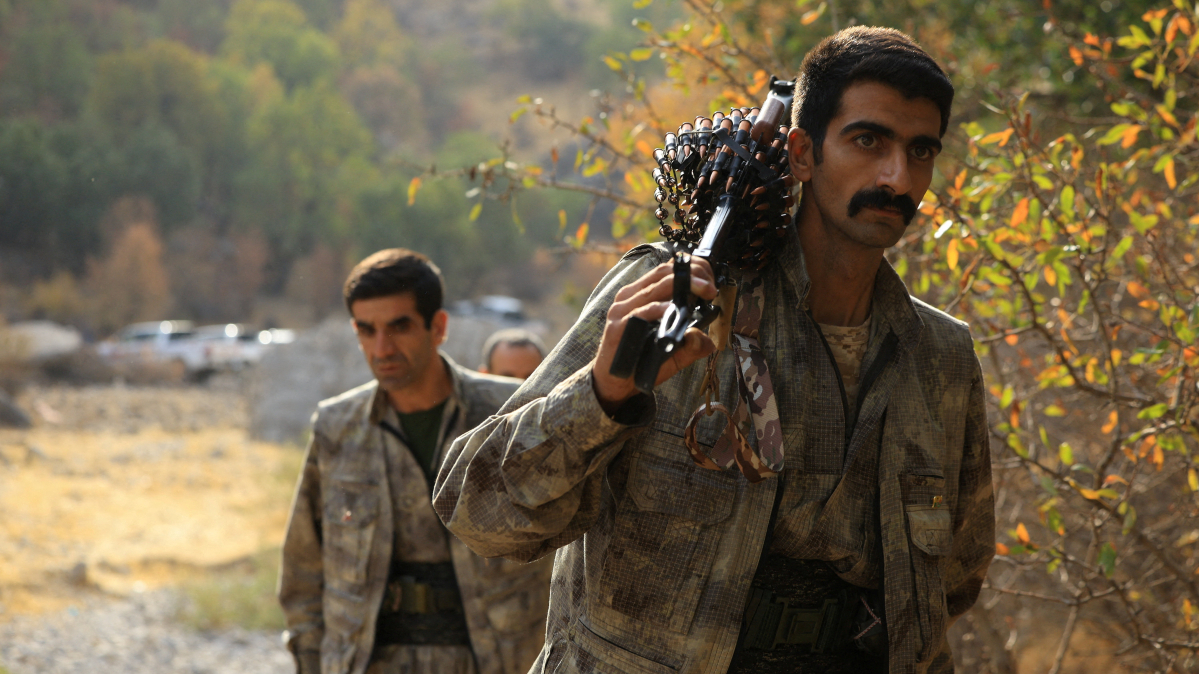
Türkiye's ruling alliance on Wednesday (5 August) submitted a bill to parliament aimed at advancing peace with the outlawed PKK by offering legal protections to former militants who disarm.
The draft legislation, introduced by the ruling AK Party and its nationalist coalition partner, the MHP, would suspend prison sentences for some people convicted of PKK membership or of assisting the group.
It would also provide legal protections for former PKK members who were not involved in violent attacks and who voluntarily return to Türkiye within six months of the law coming into force.
The bill is expected to be approved by parliament later this week with the support of Türkiye's pro-Kurdish DEM Party, making it the most significant legal step in the peace process to date.
Under the proposed legislation, Türkiye's National Security Council would verify the PKK's disarmament, while a dedicated committee comprising the vice president, cabinet ministers and the head of intelligence would oversee the process.
PKK members convicted of serious crimes, including the group's long-imprisoned leader, Abdullah Öcalan, would not be eligible for legal protections under the bill.
The bill's introduction follows Öcalan's public appeal last year for the PKK to lay down its arms and disband, a call later endorsed by the group's leadership based in northern Iraq.
Following a cabinet meeting on Wednesday, President Recep Tayyip Erdoğan said the bill's submission to parliament marked the "next phase" of ongoing efforts to end the decades-long conflict.
The PKK is designated as a terrorist organisation by Türkiye, the U.S. and the European Union, and has waged an armed insurgency against the Turkish state since 1984.
According to government estimates and international agencies, the conflict has claimed more than 40,000 lives, including civilians and members of the security forces, and has spread into northern Iraq and Syria.
Supporters say the legislation could encourage thousands of former PKK members to return from northern Iraq, helping to bring one of the region's longest-running insurgencies to an end.
Critics, however, question whether the year-old disarmament process can deliver lasting peace after previous attempts to resolve the conflict ended in failure.

Start your day informed with AnewZ Morning Brief. Here are the top news stories for the 5th of August, covering the latest developments.
U.S. President Donald Trump said there was an "all-day negotiation" on Tuesday with Iran, characterising the talks positively while also threatening to hit Iran "really hard" if a deal was not reached.
Shipping traffic through the Strait of Hormuz and the Bab el-Mandeb Strait, two key maritime chokepoints in the region, decreased significantly from the previous day, according to shipping data.
Start your day informed with AnewZ Morning Brief. Here are the top news stories for the 6th of August, covering the latest developments.
Kazakhstan’s main oil export corridor was disrupted by drone strikes near Russia’s Black Sea coast in July, forcing a temporary suspension of crude loadings and raising fresh concerns over the vulnerability of regional energy infrastructure to the war in Ukraine.
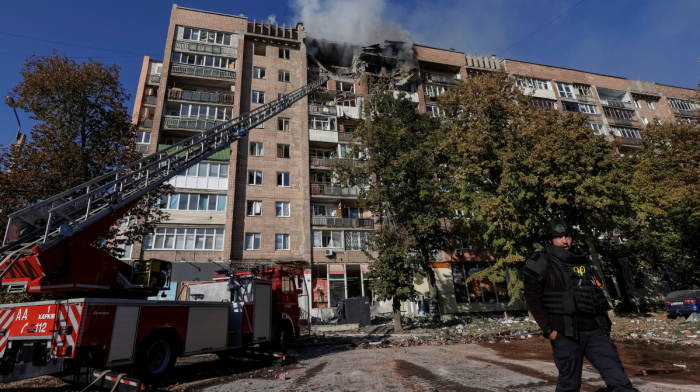
Ukraine has warned that its ability to defend against Russian missile attacks is weakening as Moscow appears to be expanding its missile arsenal ahead of a possible winter campaign targeting critical infrastructure.
Azerbaijan and Ukraine are seeking to deepen cooperation in energy, reconstruction and trade, with Baku signalling its readiness to supply natural gas to Ukraine and expand its role in rebuilding projects following high-level talks in Kyiv.
The UK government announced a new package of sanctions on Thursday (6 August) aimed at disrupting Russia's financial sector and oil exports, expanding pressure on Moscow more than four years after its full-scale invasion of Ukraine.
Ukraine’s National Security and Defense Council (NSDC) has approved Kyiv’s Resilience Plan for the autumn-winter season, aimed at strengthening the capital’s ability to withstand continued Russian attacks and ensuring the uninterrupted operation of critical services.
Extreme heat and historically low river levels are forcing nuclear power plants across southeast Europe to reduce output, increasing pressure on already strained electricity supplies and prompting governments to urge lower power consumption.
You can download the AnewZ application from Play Store and the App Store.
What is your opinion on this topic?
Leave the first comment