Georgia has wrapped up one of its busiest periods of foreign policy activity in years, with almost all of it focused on Central Asia.
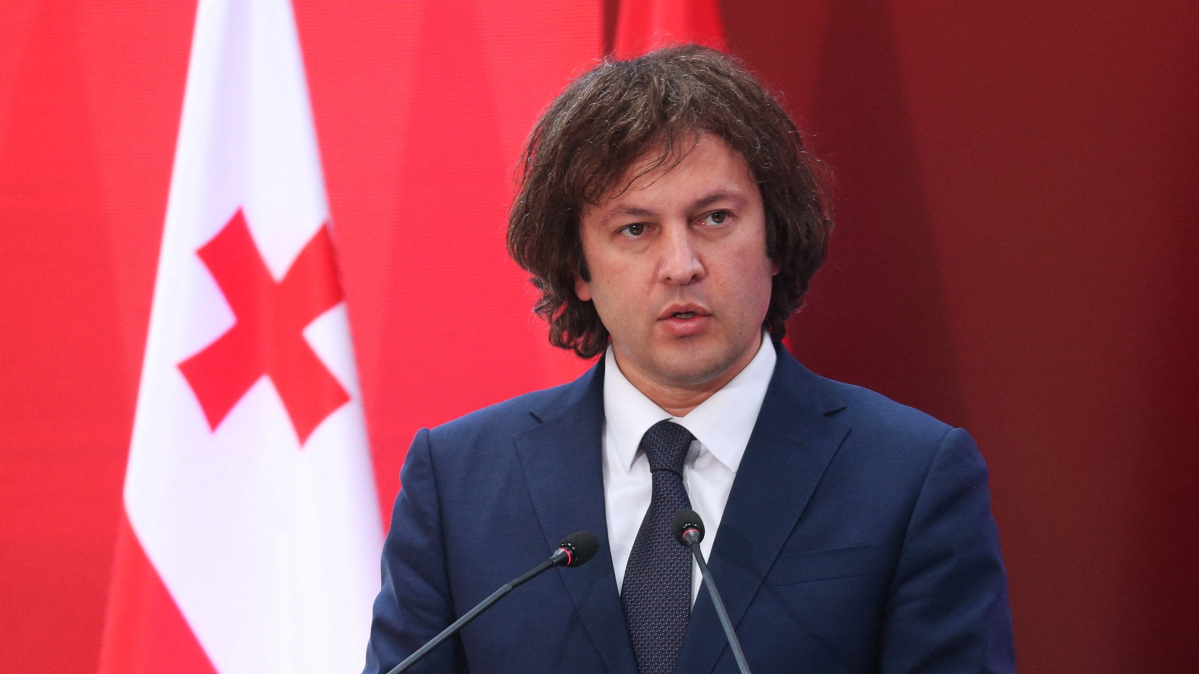
Prime Minister Irakli Kobakhidze said the past two months have seen the government intensify its diplomatic engagement with the region, backed by three high-level visits, two presidential visits to Tbilisi and two strategic partnership agreements signed within days of each other.
"In terms of foreign policy, the past two months have been quite active for the Georgian government. We have been particularly active in the direction of Central Asia," Kobakhidze told a government meeting this week.
Between June and July, Kobakhidze and his ministers travelled to Kazakhstan, Kyrgyzstan and Tajikistan over three consecutive weeks. The visits to Kyrgyzstan and Tajikistan marked the Georgian prime minister's first official trips to either country.
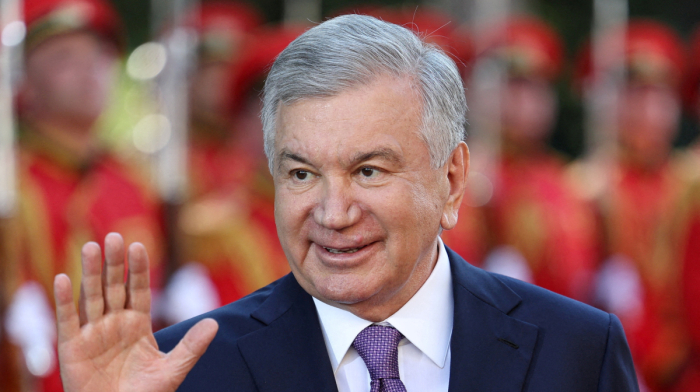
The diplomatic exchanges continued in the opposite direction. Uzbek President Shavkat Mirziyoyev paid a state visit to Tbilisi on 2-3 July, the first by an Uzbek head of state to Georgia in 23 years. Turkmen President Serdar Berdimuhamedow followed with a visit of his own. In less than two months, Kobakhidze had met the leaders of every Central Asian country.
Strategic partnerships take shape
The most significant outcomes were the strategic partnership agreements signed with Kazakhstan and Uzbekistan.
Georgia and Kazakhstan signed their agreement on 30 June in Astana, where Kobakhidze met President Kassym-Jomart Tokayev. Tokayev also awarded the Georgian prime minister Kazakhstan's Order of Friendship.
The two leaders discussed cooperation on the Middle Corridor, energy, tourism and the port of Anaklia. Kazakhstan is already Georgia's largest economic partner in Central Asia. According to Georgia's National Statistics Office (Geostat), exports to Kazakhstan totalled USD 849.9 million between January and November 2025, an increase of 6.8 per cent compared with the same period a year earlier, making Kazakhstan the second-largest destination for Georgian exports.
The two governments have also discussed developing an energy corridor linking Kazakhstan's Trans-Caspian power project with Georgia's planned Black Sea electricity cable.
Days later, Uzbekistan followed suit. Mirziyoyev's visit to Tbilisi on 2-3 July resulted in a declaration elevating bilateral relations to a strategic partnership, alongside agreements covering trade, finance, customs, agriculture, healthcare, education, digitalisation and environmental cooperation.
A Georgian-Uzbek business forum held on 1 July highlighted Uzbekistan's economy, which the country's National Statistics Committee said grew by 7.7 per cent in 2025, its strongest annual growth in five years.
Following the visit, Uzbek transport and investment officials toured the ports of Anaklia and Poti, as well as the Poti Free Industrial Zone.
Positioning Georgia as a regional gateway
As Kobakhidze put it, "Georgia connects 7 countries with the Black Sea and, accordingly, with the Western space."
The strategy aims to position Georgia as the link between Central Asian trade and European markets.
This ambition is closely tied to the Middle Corridor, the Trans-Caspian trade route that carries goods from China and Central Asia to Europe via the Caspian Sea, the South Caucasus and the Black Sea, bypassing Russia. With China, Kyrgyzstan and Uzbekistan advancing construction of a new railway offering the shortest overland route from China into Central Asia, Georgia's ports at Anaklia and Poti could become the western gateway for the corridor.
Speaking at the Georgian-Uzbek business forum in Tbilisi on 1 July, Economy Minister Mariam Kvrivishvili said that with Uzbekistan, Kazakhstan and Azerbaijan all experiencing strong economic growth, Georgia needed to invest in infrastructure now to increase cargo volumes and strengthen regional connectivity.
Shifting geopolitical priorities
Georgia's renewed focus on Central Asia comes as its relations with Western partners have cooled. EU accession talks remain frozen, while its strategic partnership with the U.S. has been suspended.
At the same time, Kazakhstan has continued to climb global economic rankings. President Tokayev said in March that the country's GDP reached USD 306 billion in 2025 and could rise to USD 320 billion by the end of 2026, placing Kazakhstan among the world's 50 largest economies, citing forecasts by international financial institutions.
Together, these developments suggest both Tbilisi and its Central Asian partners view the closer relationship as a long-term strategic investment rather than a short-term diplomatic initiative.
Looking ahead
Kobakhidze said Georgia intends to deepen its engagement with the region.
"In the future, the government will do everything in its power to further deepen both political and trade-economic relations with the countries of Central Asia," he said.
With strategic partnerships now established with Kazakhstan and Uzbekistan, and closer ties developing with Kyrgyzstan, Tajikistan and Turkmenistan, Georgia appears to be positioning itself as the Black Sea gateway for one of the world's fastest-growing regions.















What is your opinion on this topic?
Leave the first comment