



11:16 CET
Nuclear security
Georgia arrests man over attempted $700,000 uranium sale
Georgia has detained a man ...
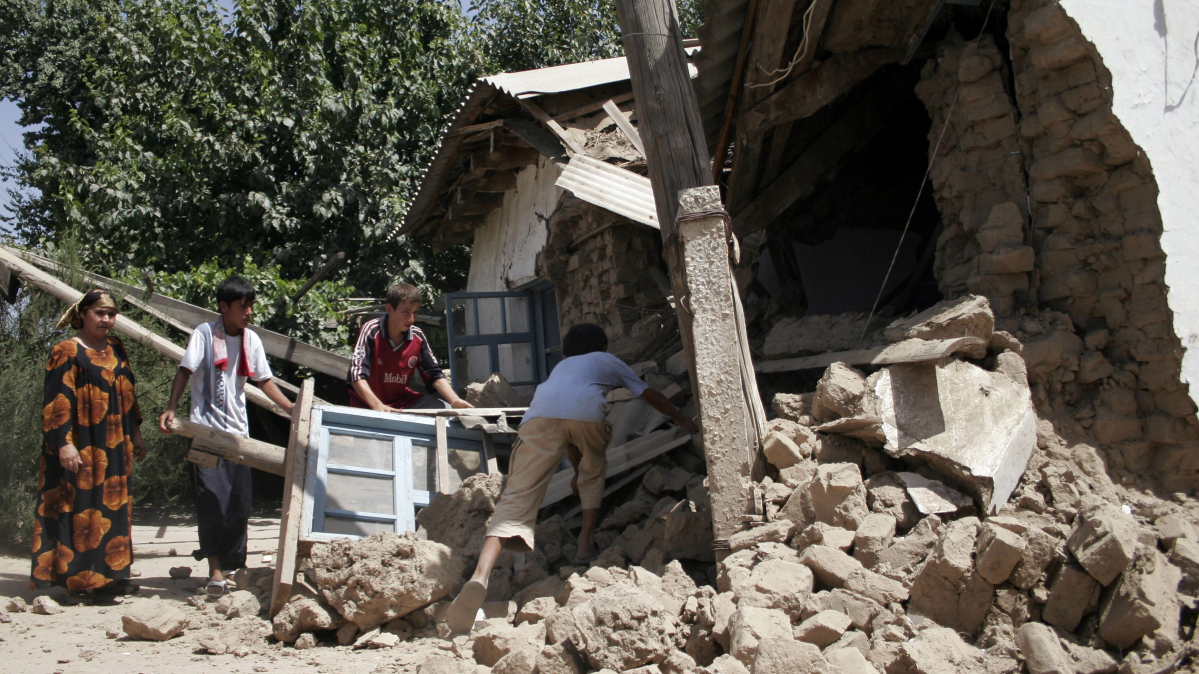


Natural disasters caused $5.7 million in damage across Tajikistan during the first half of 2026, as hundreds of avalanches and mudflows swept through the country, killing 12 people, according to government figures.
A total of 741 natural emergencies were recorded between January and June, according to Rajabali Rahmonali, chairman of Tajikistan's Committee for Emergency Situations and Civil Defence.
Avalanches and mudflows accounted for most of the damage. Authorities recorded 508 avalanches and 123 mudflows during the six-month period, with the latter responsible for more than half of the fatalities.
As Tajikistan continues to face recurring natural hazards, authorities say efforts are under way to reduce the risks. These measures include monitoring vulnerable areas, reinforcing riverbanks, improving early warning systems and informing communities about potential threats.
However, efforts to better understand and prevent such disasters have faced setbacks stretching back decades. Specialists began assessing landslide risks at the Tajikgiprovodkhoz institute in the late 1980s, but the work was halted by the civil war in the early 1990s.
Today, prevention work is carried out largely at the local level and, according to specialists, could take many more years to complete at the current pace, requiring continued support from state budgets and grant funding.
The country's risks are not limited to natural disasters. Ageing infrastructure is particularly vulnerable in areas exposed to seismic activity, raising concerns about the potential consequences when the two threats coincide.
One such concern is a 14-kilometre irrigation tunnel that carries water from the Nurek Reservoir to the Danghara Valley. Built between the mid-1960s and 1986, the tunnel supplies around 100 cubic metres of water per second to the arid valley and has enabled the irrigation of approximately 100,000 hectares of land.
Around 170,000 people now live in the area served by the tunnel. Its ageing infrastructure has heightened concerns about the consequences of a possible failure, particularly during the irrigation season, when disruption to the water supply could have serious implications for agriculture and local communities.
A major failure could also force people to relocate to other parts of Tajikistan and potentially beyond the country's borders. Earthquakes in the surrounding mountains pose an additional threat to the ageing structure.
The combination of recurring natural disasters and vulnerable infrastructure presents a long-term challenge for Tajikistan.
While avalanches, mudflows and landslides continue to claim lives and cause economic damage, strengthening disaster prevention measures and protecting critical infrastructure remain central to reducing the impact on communities across the country.

Georgia has detained a man ...
Azerbaijan and the five Central Asian states have signed two key documents at the 8th Consultative Meeting of Heads of State in Turkmenbashi, forma...
U.S. Vice President JD Vance told Reuters on Monday (5 October) that ...

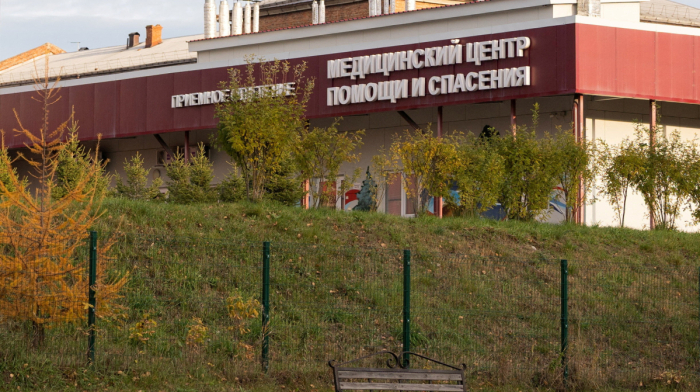
Russia's health watchdog said on Tuesday that no cases of plague had been detected among anyone who had come into contact with a Siberian plague institute laboratory worker who died last week, and locals said their lives had barely been disrupted.
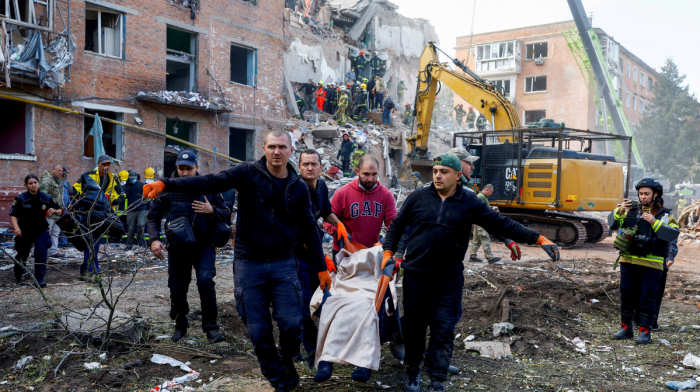
Russia struck Ukraine overnight in one of the biggest attacks of the conflict, killing at least 19 people, Kyiv's Foreign Ministry said on Wednesday. Around 70 missiles were fired at Ukraine during the attack, as well as drones, the Ministry said.
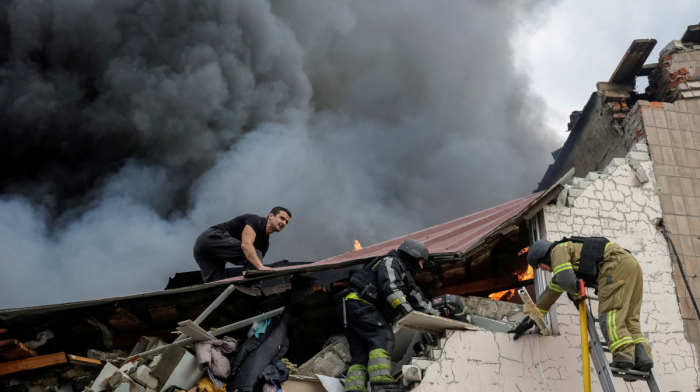
A large Ukrainian drone attack on Moscow and the surrounding region has killed two people, damaged homes and sparked a major fire at a key fuel facility, according to Russian officials and military bloggers.
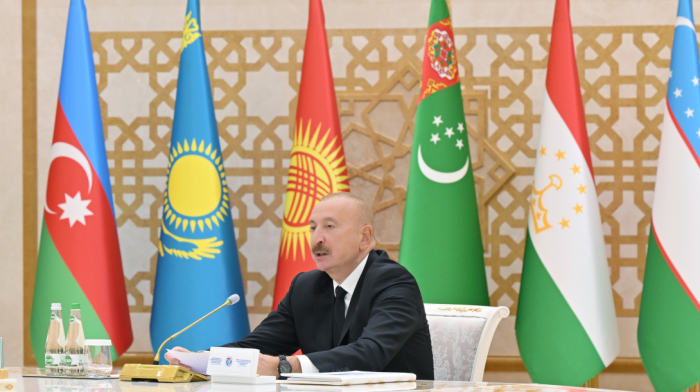
Azerbaijan and the five Central Asian states have signed two key documents at the 8th Consultative Meeting of Heads of State in Turkmenbashi, formalising a broader framework for regional cooperation in transport, trade, energy, digitalisation and security.
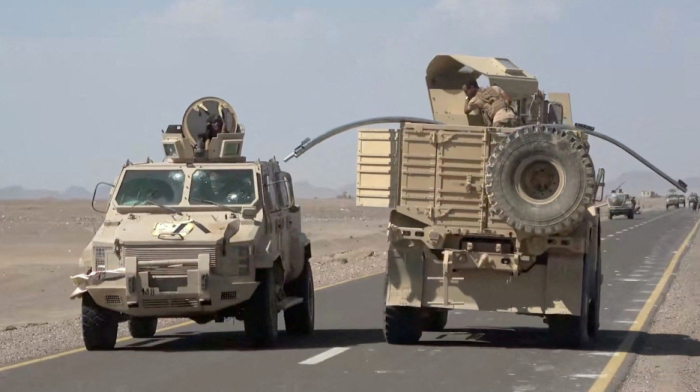
The Saudi-led coalition says it has carried out a series of military operations against Houthi targets in Yemen after attacks on two Saudi airports left three people dead and dozens injured.
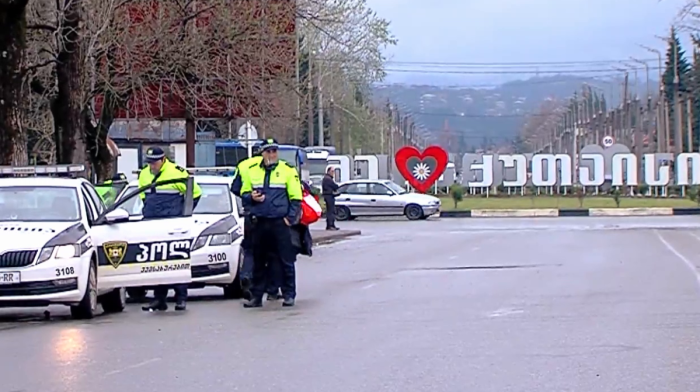
Georgia has detained a man who planned to sell uranium-238 to a foreign national for $700,000, the national security service said on Wednesday.
Azerbaijan and the five Central Asian states have signed two key documents at the 8th Consultative Meeting of Heads of State in Turkmenbashi, formalising a broader framework for regional cooperation in transport, trade, energy, digitalisation and security.
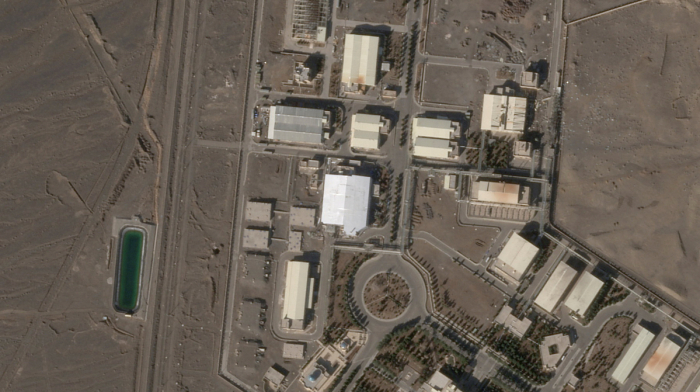
U.S. Vice President JD Vance told Reuters on Monday (5 October) that Iran must make a “meaningful” reduction in its uranium enrichment capacity to satisfy U.S. demands and end the countries' seven-month war.
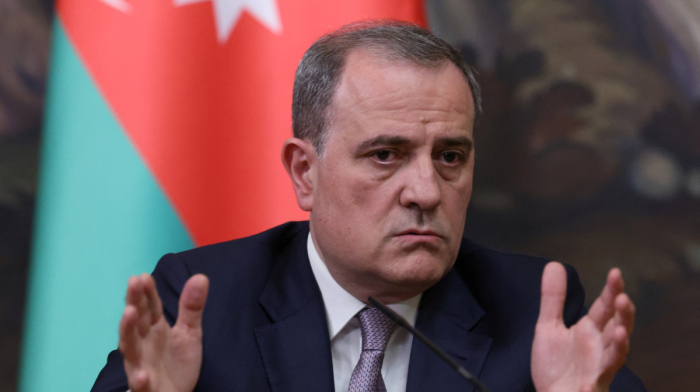
Azerbaijan’s Foreign Minister Jeyhun Bayramov has called for further integration of infrastructure between regional countries to bolster the Middle Corridor trade and logistics network.
The Saudi-led coalition says it has carried out a series of military operations against Houthi targets in Yemen after attacks on two Saudi airports left three people dead and dozens injured.
You can download the AnewZ application from Play Store and the App Store.




What is your opinion on this topic?
Leave the first comment