Tajikistan will reduce electricity exports and increase water reserves ahead of winter as the government seeks to improve domestic power supplies after last year’s seasonal shortages.
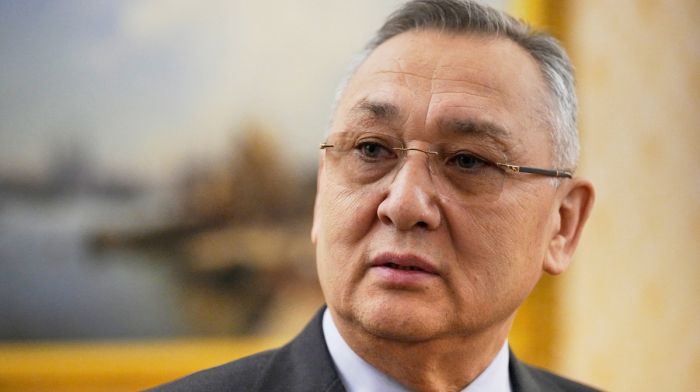
Energy and Water Resources Minister Daler Juma said households should receive a more reliable electricity supply than during the previous heating season, despite the country’s continuing power deficit.
He said the government was taking a range of measures to strengthen the electricity system before demand peaks in the colder months.
The preparations come as Tajikistan is already facing water shortages. According to Juma, experts link the low water levels to climate change, prompting the government to conserve more water in reservoirs while cutting electricity exports to support hydropower generation during the autumn and winter.
Officials are also encouraging households and businesses to install solar panels and use electricity more efficiently, particularly during peak demand.
Juma said temporary restrictions on electricity consumption could still be introduced during periods of maximum load, drawing on measures used last winter.
He added that maintenance work on the national electricity network had been completed and that technical preparations for the coming heating season were in place. The government hopes the combined measures will ease pressure on the power system during the coldest months.
Seasonal electricity shortages remain a long-standing challenge in Tajikistan. From October to April, the government typically imposes electricity rationing, with rural areas usually affected first.
The shortages are driven by reduced water availability for hydropower generation and steadily rising domestic demand.
While the current measures are intended to help the country through the coming winter, officials say the long-term solution lies in expanding generating capacity.
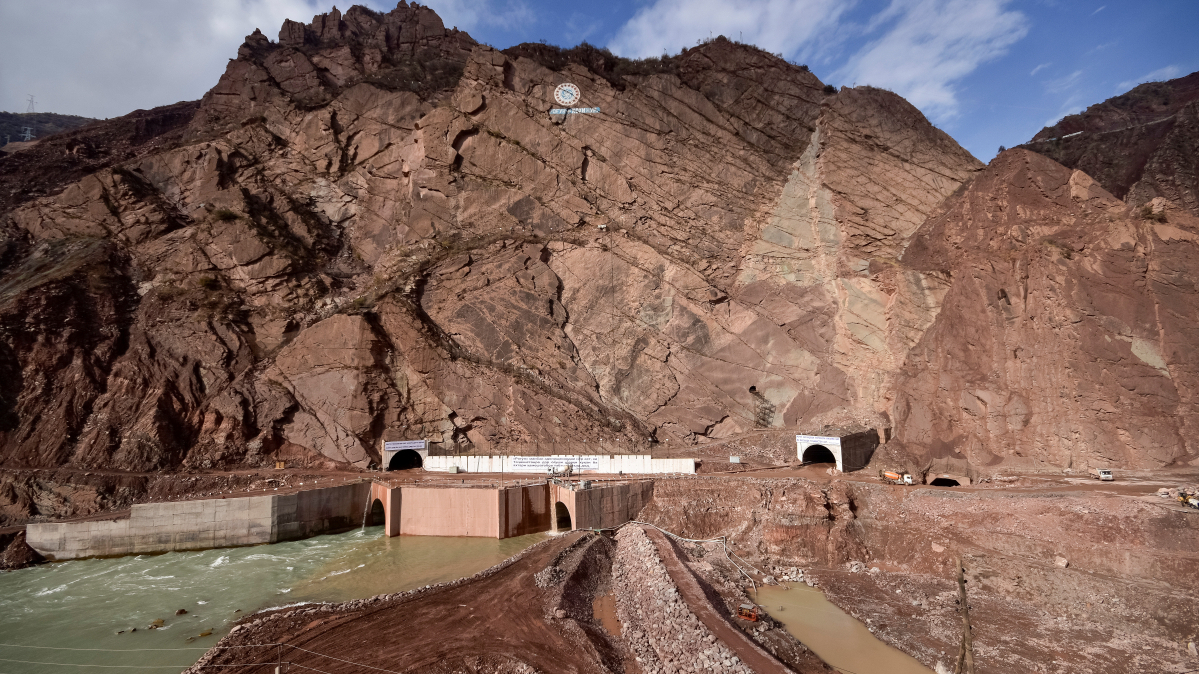
The government’s strategy centres on the Rogun hydropower plant, which it sees as the cornerstone of Tajikistan’s future energy independence.
Over the past year, the country’s leadership has repeatedly said seasonal electricity rationing should end by 2027, when the plant’s third generating unit is expected to enter service.
Construction of the Rogun project on the Vakhsh River began in 1987 but was suspended during the 1990s following the collapse of the Soviet Union and Tajikistan’s civil war.
Although several attempts were made to revive the project in the early 2000s, progress was repeatedly delayed by the scale of the investment required. Construction officially resumed in 2016.
The project is estimated to cost around $6.3 billion to complete. Once all six generating units are operational, Rogun is expected to have an installed capacity of 3.6 gigawatts, making it the largest hydropower plant in Central Asia.
Its 335-metre dam is also expected to become the world’s tallest rock-fill dam.
Beyond generating electricity, the project is designed to regulate water resources, reduce the risk of flooding and help mitigate drought.
The government says the plant should eventually eliminate seasonal electricity rationing, meet domestic demand during the winter months and strengthen Tajikistan’s position as a regional electricity exporter.
Read more:
















What is your opinion on this topic?
Leave the first comment