CSTO Secretary General Taalatbek Masadykov has inspected security along the Tajikistan-Afghanistan border as the regional bloc continues a long-term programme to strengthen one of Central Asia's most strategically important frontiers.
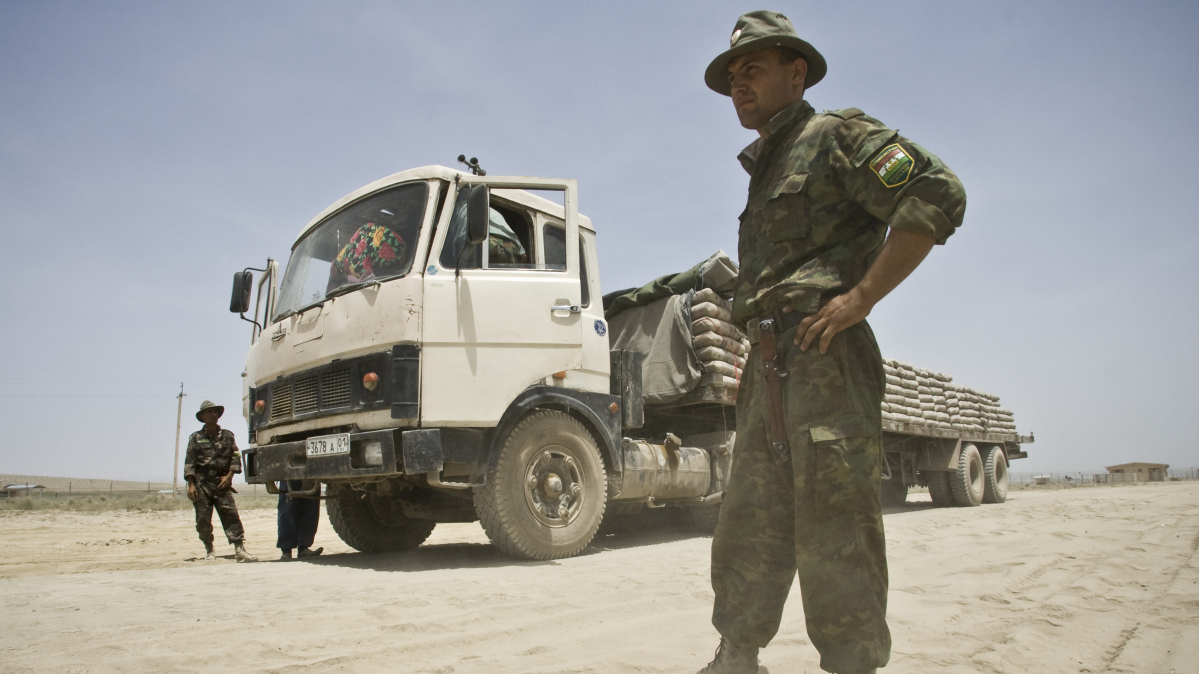
Masadykov visited Tajikistan at the invitation of President Emomali Rahmon and toured several border outposts and a checkpoint within the areas of three Tajik border detachments, according to the CSTO.
The visit focused on assessing the security situation along the southern edge of the CSTO's area of responsibility and reviewing progress on border infrastructure projects.
Focus on border infrastructure
During the visit, the CSTO Secretary General also inspected the construction of a road through the mountainous Shuroobod area, where difficult terrain has long complicated transport and border patrol operations.
Masadykov later met First Deputy Chairman of Tajikistan's State Committee for National Security and Commander of the Border Troops, Murodali Rajabzoda, to discuss the implementation of the CSTO's interstate programme to reinforce the Tajik-Afghan border.
Five-year security programme underway
The programme, approved in 2024, is designed to strengthen border controls, modernise infrastructure and equip Tajik border forces with modern security equipment over a five-year period.
Its first phase began in 2025, focusing on the delivery of military equipment and weapons. Later that year, CSTO member states confirmed plans to supply additional military hardware to Tajikistan, with contributions expected from Russia, Belarus and Kazakhstan.
A strategically important frontier
Tajikistan shares a border of more than 1,300 kilometres with Afghanistan, making it the longest frontier between Afghanistan and any Central Asian state. More than 1,100 kilometres of the border follow the Panj River, while the remaining sections pass through remote mountainous terrain where access remains challenging.
The border is widely regarded as one of the region's most sensitive security zones because of concerns over cross-border crime, drug trafficking and the potential spillover of instability from Afghanistan.
Regional authorities say strengthening infrastructure, improving surveillance and enhancing coordination among CSTO member states remain key priorities for maintaining security along the frontier.












What is your opinion on this topic?
Leave the first comment