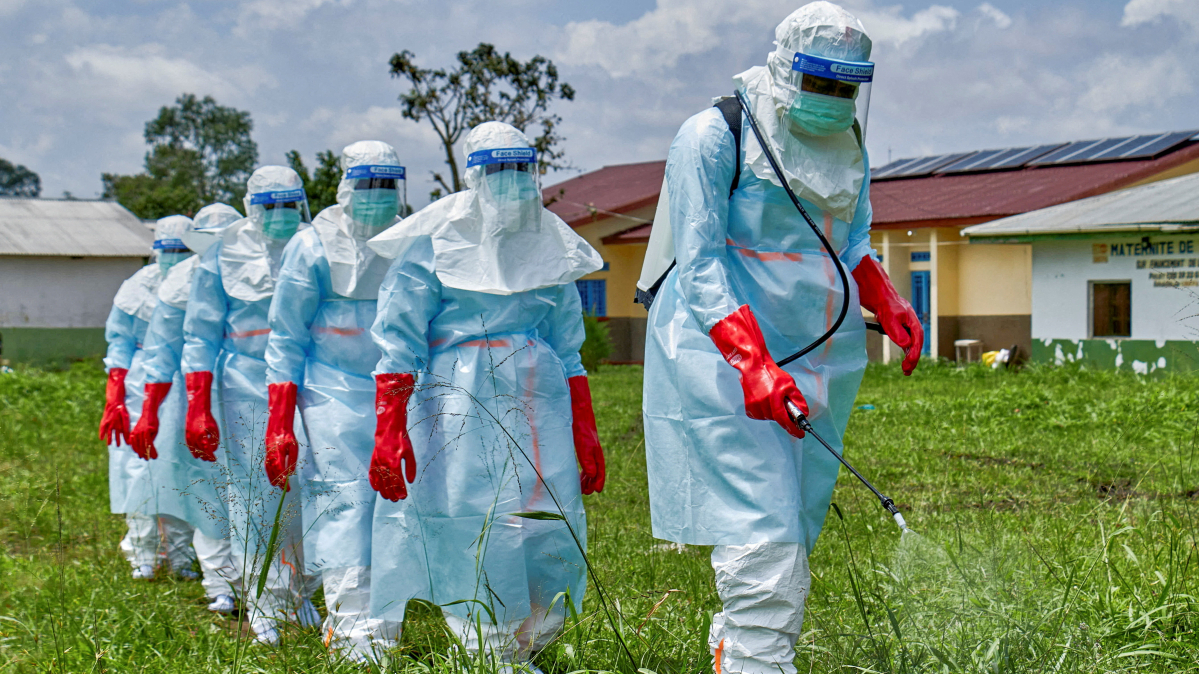
The Democratic Republic of Congo says the number of confirmed Ebola cases has risen to more than 5,000, with more than 2,300 deaths. Delayed detection, weak surveillance, funding shortages and conflict have allowed the virus to spread faster than in any previous epidemic at the same stage.
Officially declared in May, the outbreak is already the world's second-largest after the 2014–2016 epidemic in Guinea, Liberia and Sierra Leone, which caused more than 28,000 infections and 11,000 deaths, according to the World Health Organization (WHO).
The current epidemic involves the rare Bundibugyo species of the Ebola virus, for which there is no licensed vaccine or proven treatment.
How quickly is the outbreak spreading?
Health officials say infections are increasing five times faster than during previous Ebola outbreaks at the same stage.
Congo's previous largest epidemic occurred between 2018 and 2020, when the country recorded 3,481 cases and 2,299 deaths over two years.
During that outbreak, it took more than 10 months for the number of confirmed cases in eastern Congo to exceed 2,000.
The current epidemic reached the same figure in around two months. By late July, less than three months after the outbreak was officially declared, it had become the largest Ebola epidemic ever recorded in the country.
Months of undetected transmission
The Bundibugyo species appears to have circulated undetected for several months before authorities declared the outbreak in May.
Early infections were missed, with some patients reportedly diagnosed with peritonitis. Local funeral practices also contributed to transmission before health authorities raised the alarm and have continued to complicate containment efforts.
Health workers initially used tests designed to identify a different Ebola species, while samples sent to the capital, Kinshasa, were mishandled.
These failures allowed the virus to spread unnoticed, making it more difficult for response teams to regain control.
A report published in the peer-reviewed journal Science in July concluded that the outbreak had probably begun by January on the outskirts of the mining town of Mongbwalu.
Most infections remain outside known transmission chains
WHO officials estimated in July that approximately 80 per cent of new infections were emerging outside known transmission chains.
This suggests many patients are identified only after the virus has already spread through families and communities.
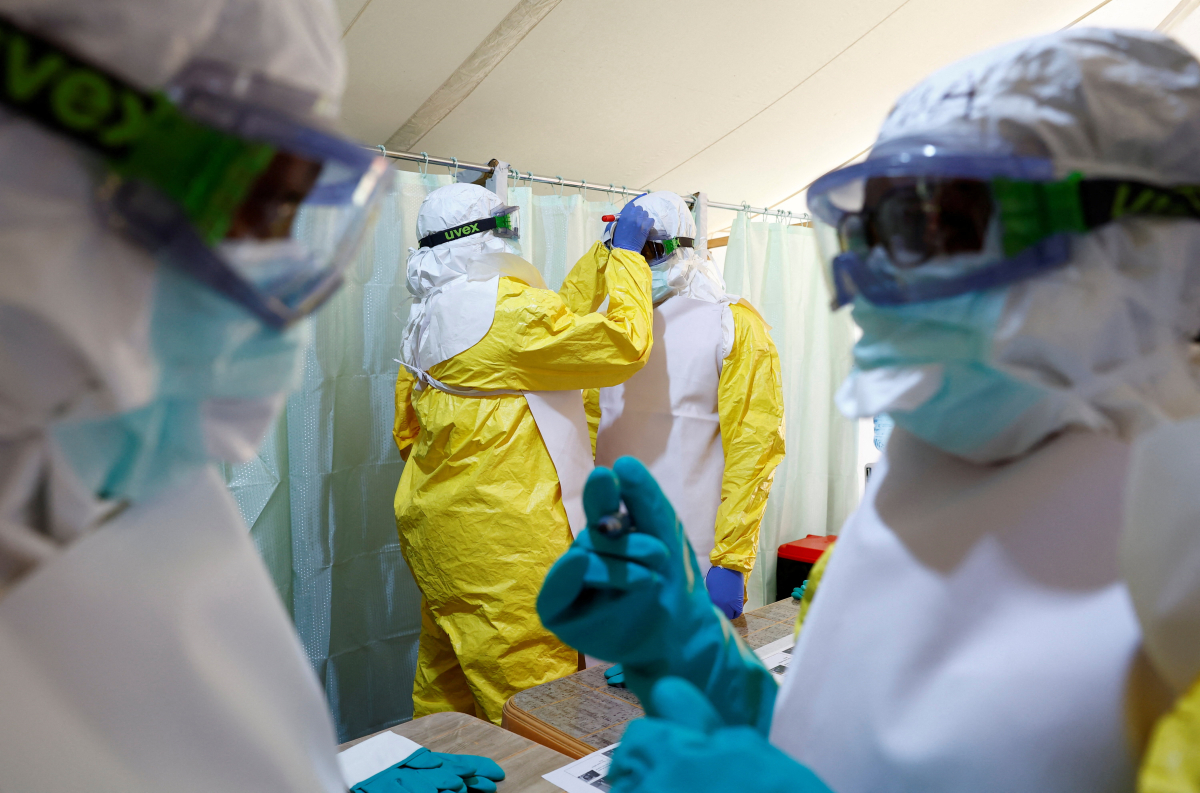
Surveillance teams in Ituri Province are struggling with limited resources and rapidly increasing caseloads. Contact tracers must investigate suspected infections while also identifying and monitoring everyone who may have been exposed.
The pressure has created a cycle in which undetected transmission leads to more cases, further overwhelming the teams responsible for finding them.
Aid cuts weaken the response
Cuts in international assistance have affected both the surveillance systems that could have detected the outbreak earlier and the continuing effort to contain it.
The U.S. Agency for International Development (USAID) had been preparing to award a five-year health surveillance contract in Congo in 2025 when the agency was abruptly shut down the following year, according to former global health security team lead Tom Van Boven.
Key parts of the Ebola response have since faced funding and staffing shortages.
By mid-July, WHO had received less than half the funding required to respond to the outbreak in eastern Congo. Health workers have also protested over unpaid salaries.
Broader reductions in humanitarian assistance have affected water and sanitation programmes, for which the U.S. had been the largest donor.
No licensed vaccine or proven treatment
Vaccines and treatments are available for the more common Zaire species of Ebola that caused Congo's 2018–2020 outbreak.
However, there is no licensed vaccine or proven treatment for the Bundibugyo species responsible for the current epidemic.
Most Ebola vaccines developed during the past decade have focused on the Zaire species, leaving health workers with fewer effective tools to prevent infections and treat patients.
The absence of a suitable vaccine also limits the use of ring vaccination, a strategy in which the contacts of confirmed patients, and the contacts of those contacts, are vaccinated to interrupt transmission.
Conflict restricts access
The outbreak is concentrated in eastern Congo, where decades of armed conflict have weakened health services and made some communities difficult to reach.
Violence has delayed the movement of medical personnel and supplies, disrupted contact tracing, and prevented response teams from consistently accessing affected areas.
Hospitals and health workers have also come under attack, further limiting authorities' ability to identify infections, isolate patients and provide treatment.
Long-standing mistrust of state institutions and outside organisations has added to the difficulty of persuading communities to report suspected infections and follow public health guidance.
Movement across the region
Eastern Congo lies along major trade and migration routes connecting towns, displacement camps and neighbouring countries.
Frequent population movement makes it harder for health authorities to identify contacts and monitor them throughout the period during which symptoms could develop.
Suspected Ebola-linked deaths reported at a displacement camp have also raised concerns about transmission among mobile populations that are particularly difficult for surveillance teams to track.
With infections rising rapidly and most new cases still appearing outside known transmission chains, health officials face an increasingly narrow window of opportunity to bring the outbreak under control.














What is your opinion on this topic?
Leave the first comment