Russia's health watchdog said on Tuesday that no cases of plague had been detected among anyone who had come into contact with a Siberian plague institute laboratory worker who died last week, and locals said their lives had barely been disrupted.
Authorities say the 28-year-old woman died on Friday from pneumonia of an as-yet unestablished origin, in a case that has prompted international concern, including from U.S. President Donald Trump.
Rospotrebnadzor, the watchdog, said in a statement that no infectious diseases had been reported among the staff of the same plague research institute in Irkutsk over the past 10 days and that extensive testing had found no microorganisms in the deceased woman's body linked to her work.
“A comprehensive set of anti-epidemic measures was immediately organised and implemented in full in accordance with public health legislation,” the watchdog said.
“This included identifying the widest possible circle of individuals who had been in contact with the patient and arranging for them to be placed under medical observation in hospital with daily laboratory tests.”
It said the results had revealed two cases of COVID-19 and two cases of rhinovirus infection, but that no pathogens causing other infectious diseases had been detected.
“None of the contacts showed any changes in their state of health associated with infectious disease,” it added.
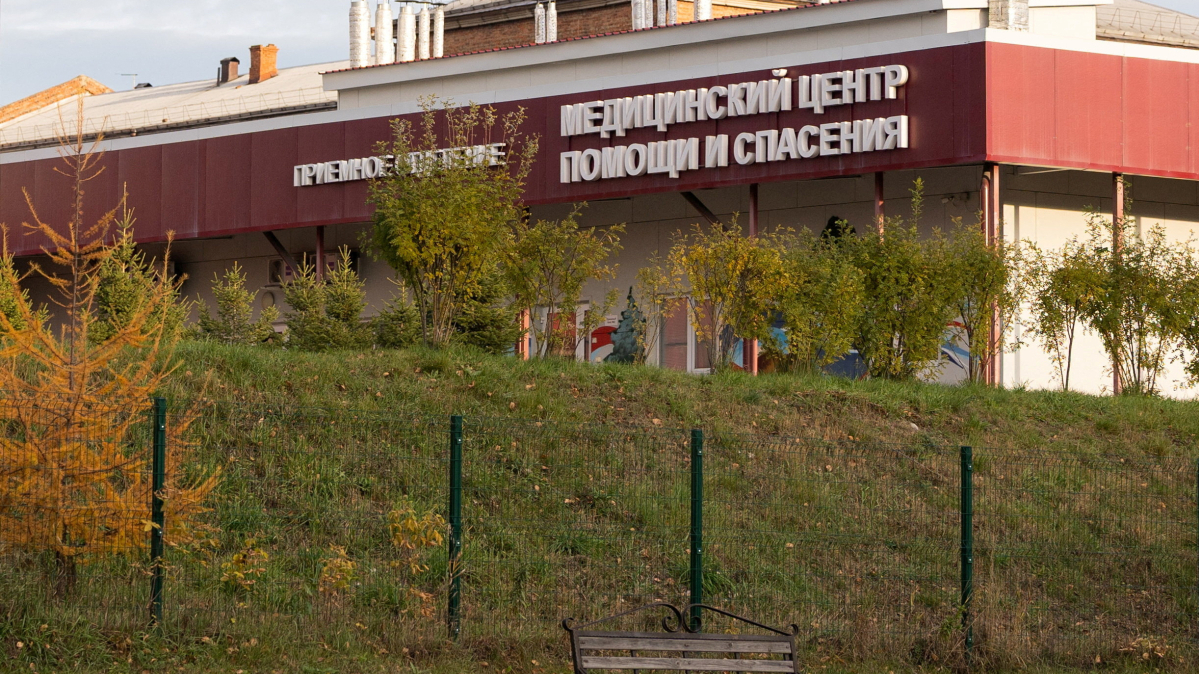
Elena Sofina, deputy head of the Shelekhov district near Irkutsk, where a local hospital was placed under quarantine, said what she called a “dangerous diagnosis” had not been confirmed.
She added that 60% of those placed under quarantine as a precaution had already been released. Local media said around 200 people had previously been quarantined.
Rumours spread as authorities rejected accident claims
The death fuelled speculation on social media that the laboratory worker had accidentally broken a test tube containing plague bacteria.
Rospotrebnadzor rejected the claims, saying inspections at the institute found no evidence of an accident involving dangerous pathogens.
Regional Governor Igor Kobzev urged residents to remain calm, saying no additional employees from the institute had sought medical attention in recent days. He added that all known contacts had been identified, examined and placed under medical supervision.
Why the case has attracted global attention
The incident has drawn international scrutiny because the institute researches plague and other dangerous infectious diseases.
Plague remains endemic in parts of Siberia, where Yersinia pestis, the bacterium that causes the disease, circulates among wild rodents and fleas. Human infections in Russia are rare, although cases continue to occur elsewhere around the world, particularly in Africa.
Health experts say pneumonic plague, the lung form of the disease, is considered the most dangerous because it can spread through respiratory droplets and has a high fatality rate if left untreated. However, modern antibiotics are highly effective when administered early.
Read more:





















What is your opinion on this topic?
Leave the first comment