Central Asian countries are strengthening sanitary and quarantine controls amid the situation in Russia’s Irkutsk region. Kyrgyzstan, Kazakhstan, Uzbekistan and Tajikistan have introduced preventive measures following the death of an employee of a plague research institute in the city of Shelekhov.
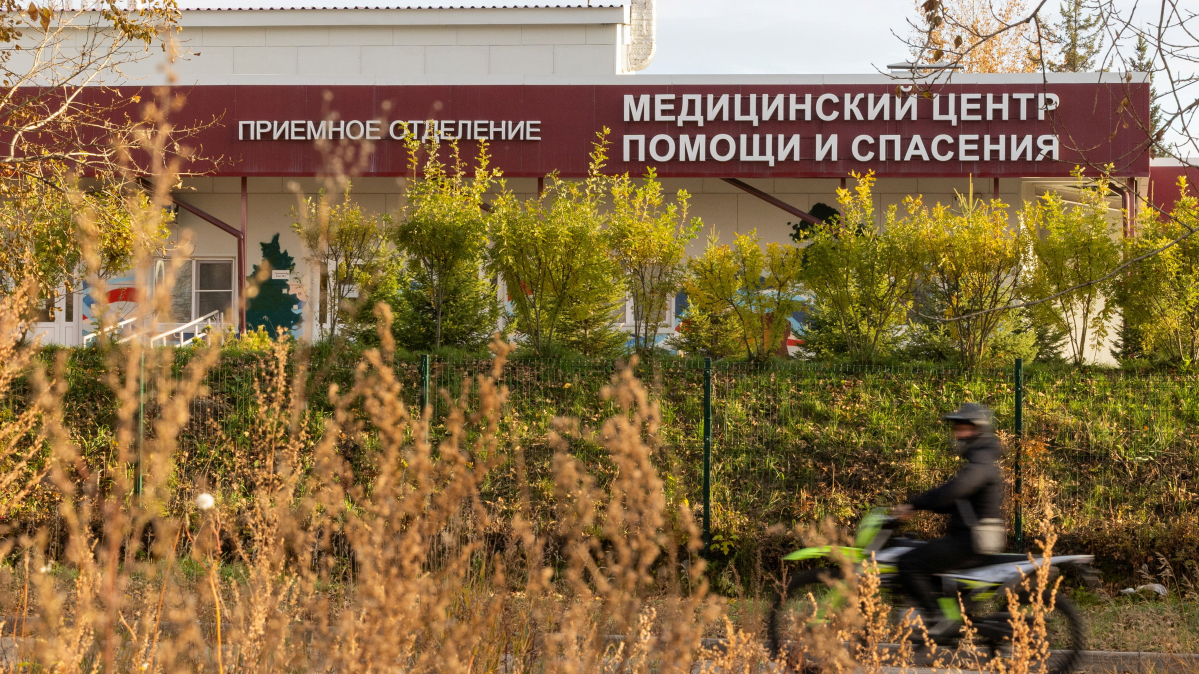
The woman’s death was reported in early October. Part of Shelekhov District Hospital was subsequently placed under quarantine, while people who had been in contact with her were placed under medical observation.
197 people were being monitored as of 5 October. No signs of illness had been detected and laboratory tests were negative. An epidemiological investigation is continuing to establish the source and circumstances of the possible infection.
Kyrgyzstan
In Kyrgyzstan, all sanitary and quarantine checkpoints along the state border have been moved to an enhanced operating regime. Specialists are monitoring people, vehicles and cargo crossing the border to prevent the introduction and spread of infectious diseases, including particularly dangerous infections.
Kazakhstan
Kazakhstan is also monitoring the situation and has strengthened sanitary and quarantine controls at border crossing points. No people with elevated temperatures, signs of illness or suspected particularly dangerous infections have been identified on any form of transport. The Ministry of Health currently assesses the risk of an imported infection as low.
Uzbekistan
Uzbekistan has increased sanitary controls and the readiness of relevant services. Authorities said they were monitoring official information from Russia and the World Health Organization, including data on the diagnosis, possible sources and routes of transmission, and people who may have been in contact with the patient.
Tajikistan
Tajikistan has also strengthened preventive measures at sanitary and quarantine checkpoints. Travellers crossing the state border are to have their temperature checked using non-contact thermometers, while checkpoint staff have been advised to use disposable protective clothing.
Investigation ongoing about source of illness
In Russia, the investigation into the circumstances surrounding the death is continuing. According to official information, none of the people under observation has shown signs of illness and laboratory tests have been negative. The last recorded case of plague in Russia was reported in 2016 in the Altai region.
The countries of Central Asia have close ties with Russia, with millions of people travelling between the region and Russia every year, including for work. Kazakhstan shares more than 7,500 kilometres of land border with Russia, the longest continuous land border in the world, with 30 road crossing points. These close links are one reason why developments involving potentially dangerous infectious diseases in Russia are being closely monitored across the region.
Read more:






















What is your opinion on this topic?
Leave the first comment