Health advice now reaches people through social media, fitness apps, wearable technology and AI. From detoxes and protein-focused diets to skincare and fitness trends, online wellness content is shaping everyday health choices while raising concerns about misinformation and potential risks.
Medicine has evolved alongside human societies for centuries, helping people prevent disease, recover from illness, and live longer.
But in the 21st century, health is increasingly something people track, measure and compare.
In the European Parliament’s 2025 Social Media Survey, 61 per cent of respondents said they generally follow or pay attention to public health and healthcare systems, making it the most frequently mentioned topic among the social and political current affairs listed in the survey.
Wearable devices can monitor physical activity, heart rate and sleep, turning everyday behaviour into data.
“It depends what you do with those numbers,” MSc Clinical Psychology Zohra Safarova told AnewZ.
She said tracking can help some people develop healthier habits. For others, however, constant measurement may create pressure, comparison and self-judgment.
As we track steps, calories and sleep, we may also be hoping those numbers can help us live longer.
Pressure to look healthy
Social media increasingly brings together wellness, beauty and appearance, with skincare routines, fitness trends and body-focused content reaching younger audiences.
A 2025 study published in Pediatrics analysed 100 TikTok skincare videos featuring creators aged from seven to 18. The routines contained an average of six products and cost about $168. Among the 25 most-viewed videos, researchers identified an average of 11 potentially irritating active ingredients.
Another 2025 study involving 594 women in İstanbul found an association between problematic social-media use, self-objectification and body-image disturbance.
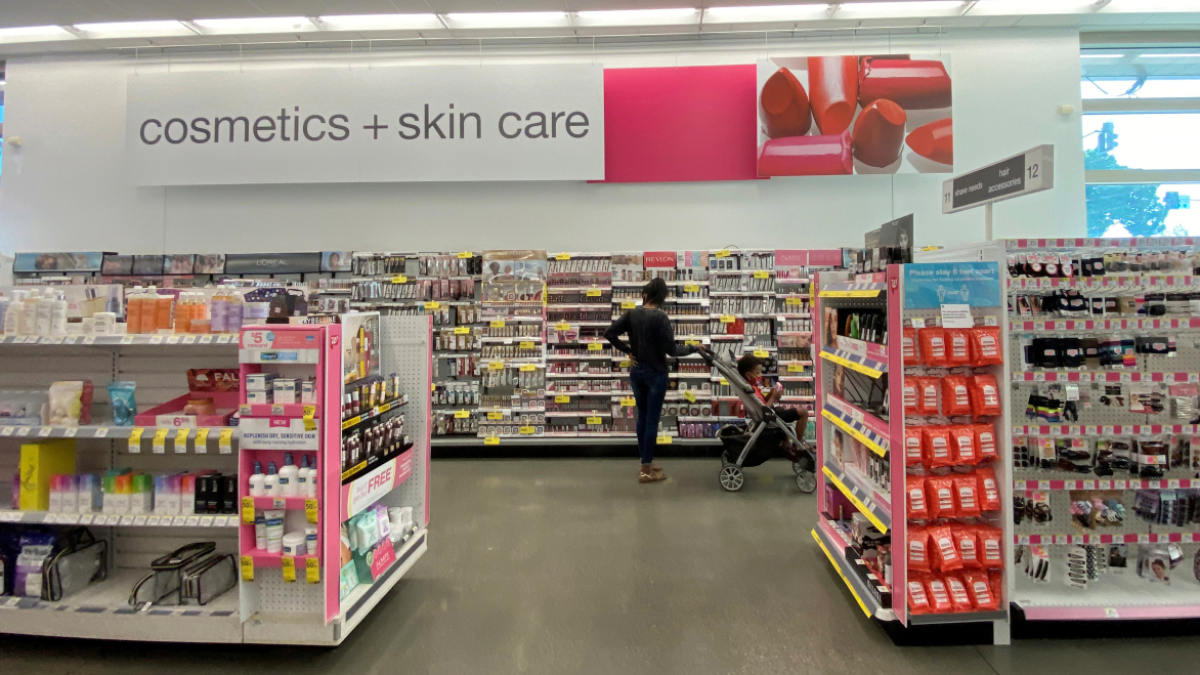
A person browses the cosmetics and skin care isle at a Walgreens store during the outbreak of the coronavirus disease (COVID-19), in Pasadena, California, U.S., 21 September 2020.
Reuters
When wellness turns into health advice
The stakes become higher when online wellness content moves beyond lifestyle choices and into symptoms, diagnosis or treatment.
The World Health Organization (WHO) has warned that health misinformation can contribute to harmful dietary or lifestyle choices, self-medication, and incorrect diagnoses.
Social media can make health information easier to access, but accessibility does not guarantee accuracy.
“While this type of content can be a good place to start, when it comes to getting the best health advice, I think we need to seek advice from healthcare professionals,” Safarova said.
‘Become your own doctor’
Artificial intelligence (AI) is adding another layer to this shift.
A growing number of mobile apps available through Apple and Google app stores claim to use AI to help users understand medical complaints, although many state that they are not intended to diagnose disease.
For users, however, the distinction between general information and medical advice may not always be clear.
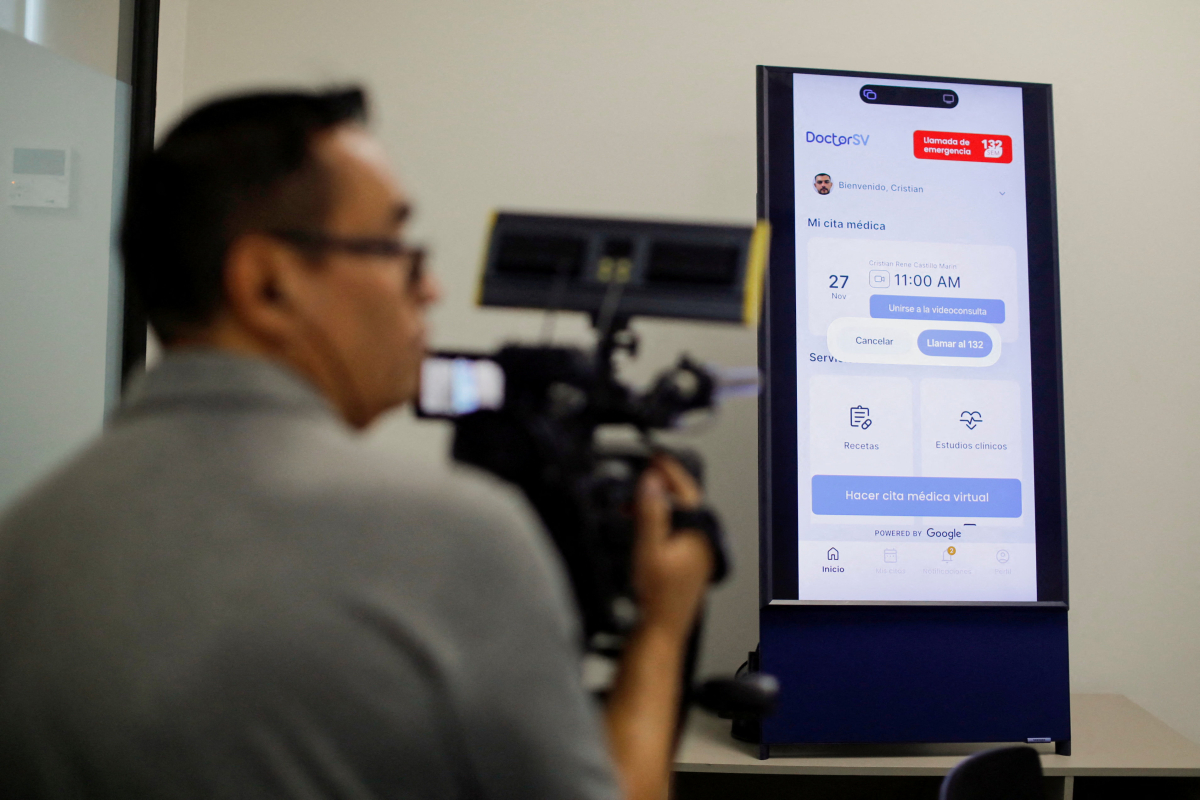
A test of DoctorSV, an app that provides virtual medical care with AI support, is displayed on a monitor during a media tour at the company’s control centre in San Salvador, El Salvador, 27 November 2025.
Reuters
A 2026 Lancet Digital Health study tested 20 large language models using more than 3.4 million prompts containing fabricated medical information.
Across the study’s base prompts, the models accepted the false information in 31.7 per cent of cases. The rate was highest when researchers inserted false medical recommendations into real hospital discharge notes, reaching 46.1 per cent.
The study did not measure the overall accuracy of AI-generated health information. Instead, it showed that large language models can accept fabricated medical claims, with susceptibility varying depending on how the information is presented.
Wearables, social-media trends and AI-powered apps can support healthier habits, but they are also part of an industry built around devices, products, subscriptions and personalised guidance.
The key question is whether these tools help people make better-informed decisions or simply encourage them to measure, compare and consume more.
For everyday habits, they can be useful. But when it comes to symptoms, diagnosis or treatment, evidence-based information and qualified healthcare professionals remain essential.
Israeli military bulldozers have begun demolishing buildings in the West Bank city of Hebron on Friday, 23 October, following armed clashes with Palestinians that left two Israeli soldiers dead, according to the Israeli military.
A powerful magnitude 7 earthquake has struck Tibet in southwestern China, killing 16 people and injuring 65, while forcing more than 12,000 residents to relocate as rescue teams respond to widespread aftershocks.
Missile and drone attacks have put Saudi Arabia on high alert, disrupting life in Riyadh and testing a new defence pact with Türkiye and Pakistan as regional tensions escalate.
Typhoon Champi swept past Taiwan on Saturday, leaving one person dead and more than 500 injured as strong winds and torrential rain brought down trees, cut power and disrupted transport across the island.
Visitors to Armenia could face temperature screening after a lab worker died from suspected Pneumonic plague in Russia, Yerevan’s Health Minister Anahit Avanesyan told lawmakers on Wednesday, Armenian state news agency Armenpress reported.
Global cholera deaths reached their highest annual level in more than 20 years in 2025, despite a decline in reported cases, according to the World Health Organization (WHO).
Chinese researchers have developed the world’s smallest CT scanner, a portable device designed to produce images of tiny fossils and archaeological relics.
Doctors in St. Louis have successfully separated Ethiopian two-year-old twin girls who were born joined at the head after a months-long series of complex operations culminating in a nearly 25-hour final procedure, doctors said on Wednesday.
Download the AnewZ app
You can download the AnewZ application from Play Store and the App Store.





















What is your opinion on this topic?
Leave the first comment