Visitors to Armenia could face temperature screening after a lab worker died from suspected Pneumonic plague in Russia, Yerevan’s Health Minister Anahit Avanesyan told lawmakers on Wednesday, Armenian state news agency Armenpress reported.
She said the country’s Health Ministry was monitoring reports concerning the possible spread of the severe lung infection in Russia.
“We are very attentive and vigilant on this issue. We are carrying out all the work in a coordinated manner,” Avanesyan said, according to Armenpress.
Avanesyan added that health authorities in Armenia begun putting measures in place since news of the suspected plague death in Russia emerged.
WHO asks Russia for more details
It comes after the UN’s health agency, the World Health Organization (WHO), asked for more information from Russia about the death of a 28-year-old worker at a plague research laboratory in Siberia.
Unconfirmed reports in the media suggested that she had fallen ill after breaking a test tube containing the pathogen.
Pneumonic plague is a severe lung infection which can be transmitted directly between humans.
The WHO initially said it estimated the risk of the Russia case to the public as low, based on what had been made known, but told a press conference on Wednesday it could not make a fuller risk assessment due to insufficient information from the Russian authorities.
“We would like more information to understand which laboratory tests were conducted, which pathogens were evaluated, and if this individual didn't die from plague, then how did she die?” Maria Van Kerkhove, Director of the WHO's department of epidemic and pandemic management, told a virtual press conference.
Russia urges caution over speculation
Rospotrebnadzor, Russia's health watchdog, said on Wednesday it was winding down precautionary measures it had put in place after concluding there was no risk of an epidemic and that it had shared its latest information with the WHO.
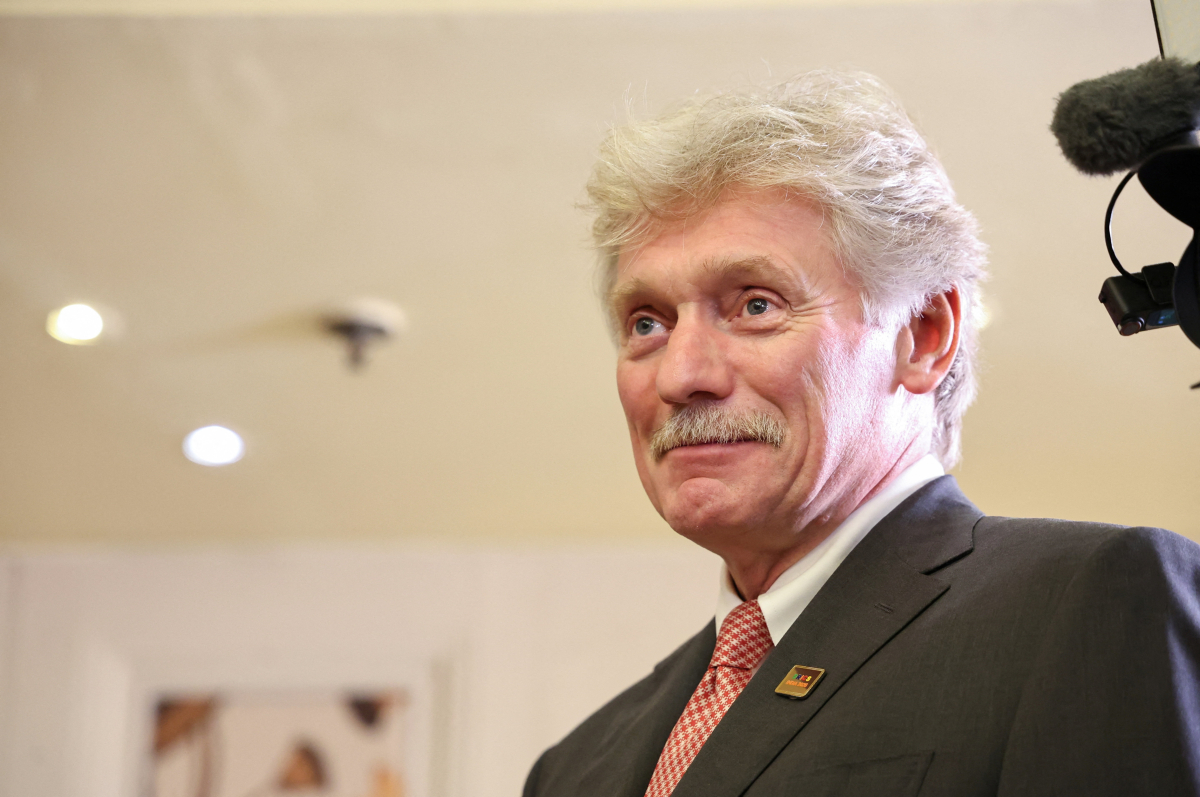
When asked about the WHO's request to respond to reports about a second person in Siberia allegedly falling ill, Kremlin Spokesman Dmitry Peskov urged caution when it came to using media reports as a reference for what was happening.
“There is a great deal of media coverage, and the vast majority of what the media are reporting about this situation is false information,” he said.
Other countries take measures
Armenia’s announcement follows the government of Mongolia saying it has ordered “health surveillance” measures on its border with Russia.
Lithuania’s Health Ministry also said it had begun making preparations to deal with any potential cases in the country.
U.S. Centers for Disease Control and Prevention Director Erica Schwartz said at an event on Wednesday that the agency was prepared to monitor and screen travellers, although added that the risk to the country remained extremely low.
Read more from Armenia:













What is your opinion on this topic?
Leave the first comment