Dengue fever has killed more people in Bangladesh this year than in the whole of 2025, with October the deadliest month so far, data from Bangladesh's Health Ministry shows.
A total of 418 people had died and more than 133,000 had been admitted to hospital as of 30 October. The disease killed 413 people and infected 102,861 across the country in 2025, according to health ministry data.
The latest figures show that October of this year alone accounted for 173 deaths, up from 148 in September. It also overtook September as the month with the most new cases this year.
The outbreak comes as the country also faces a severe measles epidemic. Deaths among children with confirmed or suspected measles had reached 1,240 by 27 October. Health officials have said the two outbreaks are stretching an already strained health system.
Patients arriving seriously ill
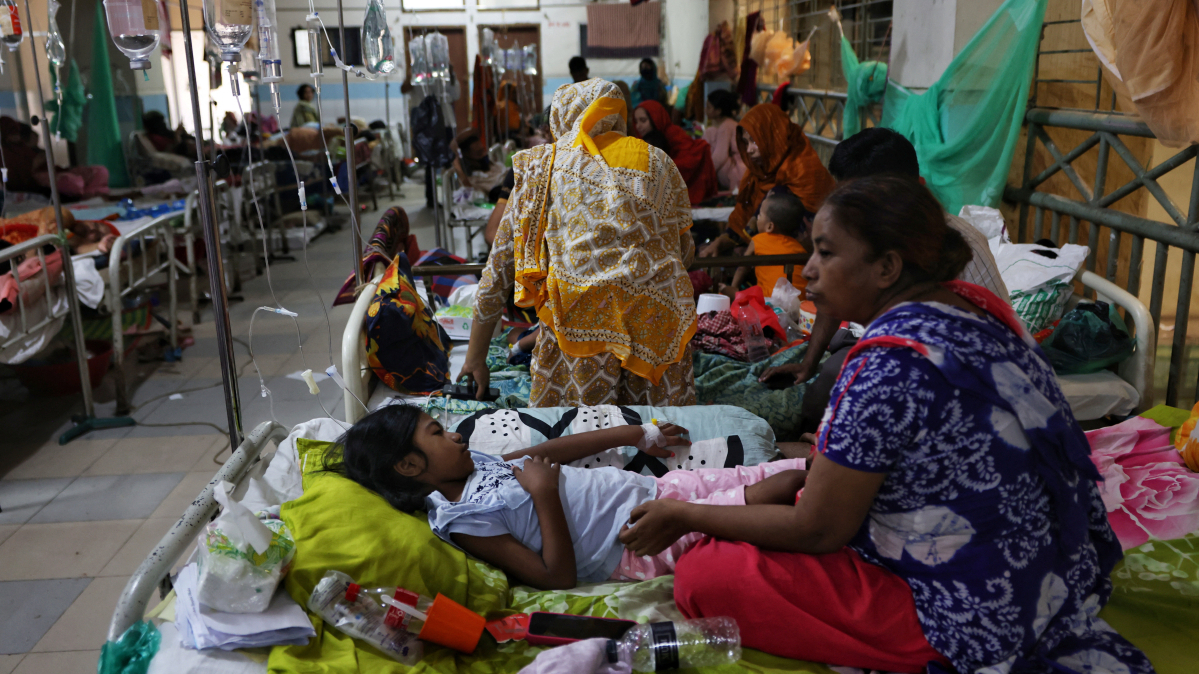
Doctors have said many people are seeking care only once they are seriously ill. At Shaheed Suhrawardy Medical College and Hospital in Bangladesh’s capital Dhaka, 279 dengue patients were being treated after 67 new admissions in a single day, Director Mirza Golam Sarwar said.
“We are getting many patients in shock,” he said. “Their blood pressure is sometimes too low to measure, and their oxygen levels are dropping.”
Medicine specialist ABM Abdullah said repeat infections and delays in diagnosis and treatment were driving severe cases and deaths. People who have had dengue before can face a higher risk of serious illness if infected again, Abdullah said.
He urged people to remove mosquito breeding sites and seek care as soon as symptoms appeared.
Faisal Ferdous, a 33-year-old Dhaka resident, has had dengue three times, in 2017, 2024 and in November this year. He and his wife both needed hospital treatment this time around.
“Every bout has been difficult,” he said. “After getting it repeatedly, you become increasingly concerned about the risk of severe illness.”
What is dengue fever?
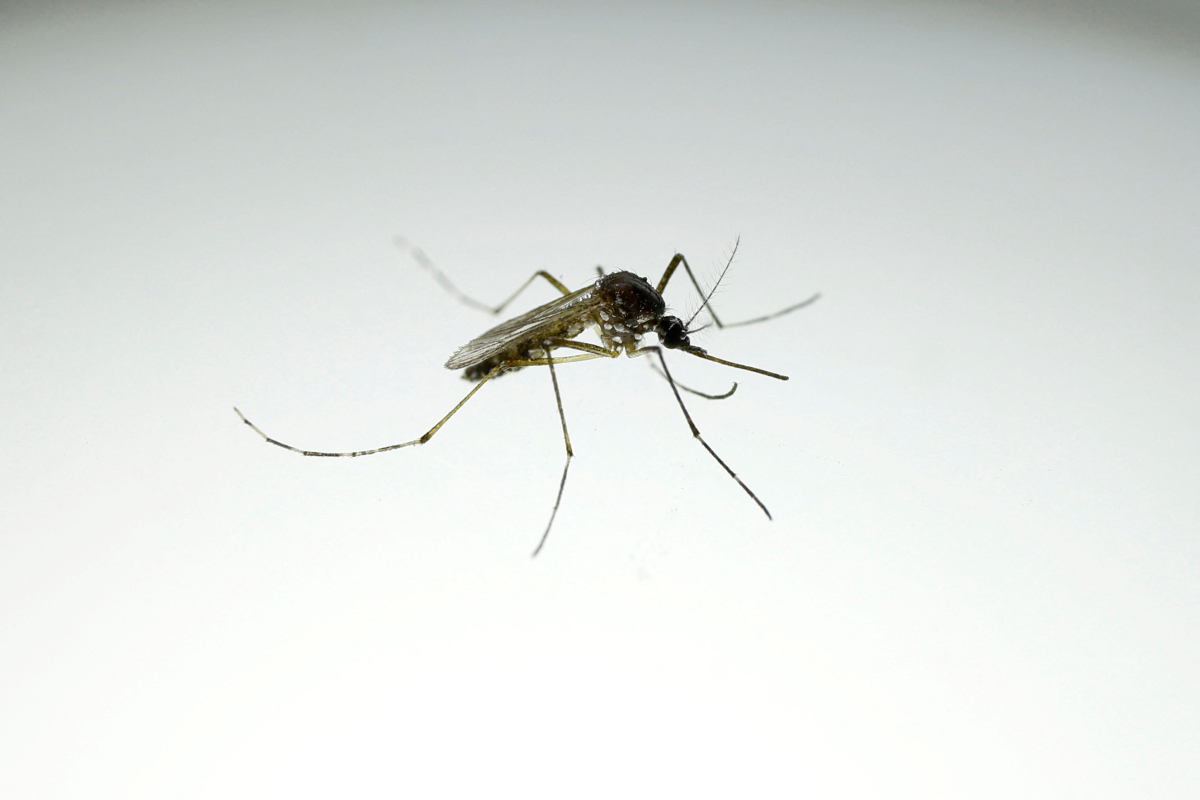
Dengue is a viral fever, which is transmitted to humans through the bite of infected Aedes mosquitoes. Many people who get dengue do not develop any symptoms.
The most common symptoms are a high fever, headache, muscle and joint pains, nausea and rashes.
In severe cases, dengue can lead to internal bleeding and death. People who get infected a second time are at greater risk of severe symptoms.
Longer dengue fever season
Health experts have warned that all four dengue virus serotypes are currently in circulation, which raises the risk of severe disease. A person infected with one strain can later catch another. Bangladesh has no dengue vaccine, although the authorities are considering one as a longer-term measure.
Entomologist Kabirul Bashar from Dhaka’s Jahangirnagar University said deaths were unlikely to keep rising at October’s pace, but transmission would probably continue through November.
“Any decline is likely to be modest, with significant improvement unlikely before December,” he said.
Bashar added that mosquitoes would keep emerging from breeding sites left by earlier rainfall even as conditions dry out. Changing rainfall and humidity patterns, partly linked to climate change, are lengthening the breeding season and keeping Aedes mosquitoes active for longer, he said.
Read more from Bangladesh:

















What is your opinion on this topic?
Leave the first comment