For the first time in more than a quarter of a century, the United States can no longer say it has eliminated measles as health experts warn the American outbreak reflects a collapse in trust in vaccines.
The Pan American Health Organization (PAHO), the World Health Organization’s regional office for the Americas, ruled on Tuesday that the virus had been spreading without a break in the U.S. for over a year, the threshold for losing elimination status. Mexico and Bolivia were stripped of the designation at the same time.
PAHO Director Jarbas Barbosa called it “a significant setback”, but said all three governments were already working to contain their outbreaks. “Bolivia, Mexico, and the United States are implementing measures to strengthen vaccination, surveillance, and outbreak response,” he told reporters.
The designation, he said, is not simply a label: losing it means the virus has been circulating long enough to put people at risk of avoidable illness, hospital treatment and death.
For Dr Amesh Adalja of the Johns Hopkins University Center for Health Security, the decision only confirmed reality. “PAHO’s ruling formalises what was already plainly visible. The U.S. has lost the ability to control measles,” he said.
The scale of the outbreak
The U.S. is recording more measles cases than at any time in over three decades. Since 2025, around 7,700 people have caught the virus and 13 have died, with unvaccinated people accounting for the overwhelming majority of infections.
Figures from the Centers for Disease Control and Prevention (CDC) put confirmed cases at 5,412, with six deaths, as of 12 November. State health authorities have reported 10 deaths so far this year.
Pennsylvania has suffered most, with seven deaths linked to measles. Wisconsin has recorded two. In New York state, a child became the first measles-related death in more than 30 years.
The surge has unfolded as vaccination rates fall and vaccine hesitancy grows under Health Secretary Robert F. Kennedy Jr., who has spent years questioning the safety of measles vaccines without scientific evidence.
The CDC said it remained committed to ending outbreaks and to winning back the status, promising to equip states with the tools they need and to provide sustained national leadership.
Its director, Erica Schwartz, played down the designation itself. “The measles elimination designation is not what protects Americans; vaccination does,” she said.
Jennifer Nuzzo, who heads the Pandemic Center at Brown University, said national leadership had fallen short. In a crisis of this kind, she said, “you expect national health leaders to be pounding the pavement, delivering the same evidence-based statements every single day and doing whatever it takes to help states end these outbreaks.”
“We’re just not seeing that,” she said.
The road back
Regaining the status will take at least a year. According to PAHO, the U.S. must first submit a corrective action plan setting out how it will stop the virus, then demonstrate 12 consecutive months without transmission.
Dr Daniel Salas, who runs PAHO’s Special Program for Comprehensive Immunization, said Washington was expected to hand in its plan within weeks.
Experts believe the country can recover the designation, but only if trust in public health bodies, including at the very top, is rebuilt.
Adalja set out a series of steps. He said mobile vaccination clinics should be sent to outbreak hot spots to give early doses to babies aged six to 11 months.
He said young doctors, many of whom will never have seen a case, need training to recognise the classic signs, including fever with a rash, followed by quick testing and immediate isolation of patients. He also called on states to tighten the non-medical exemptions that allow children to enter public schools without the required vaccines.
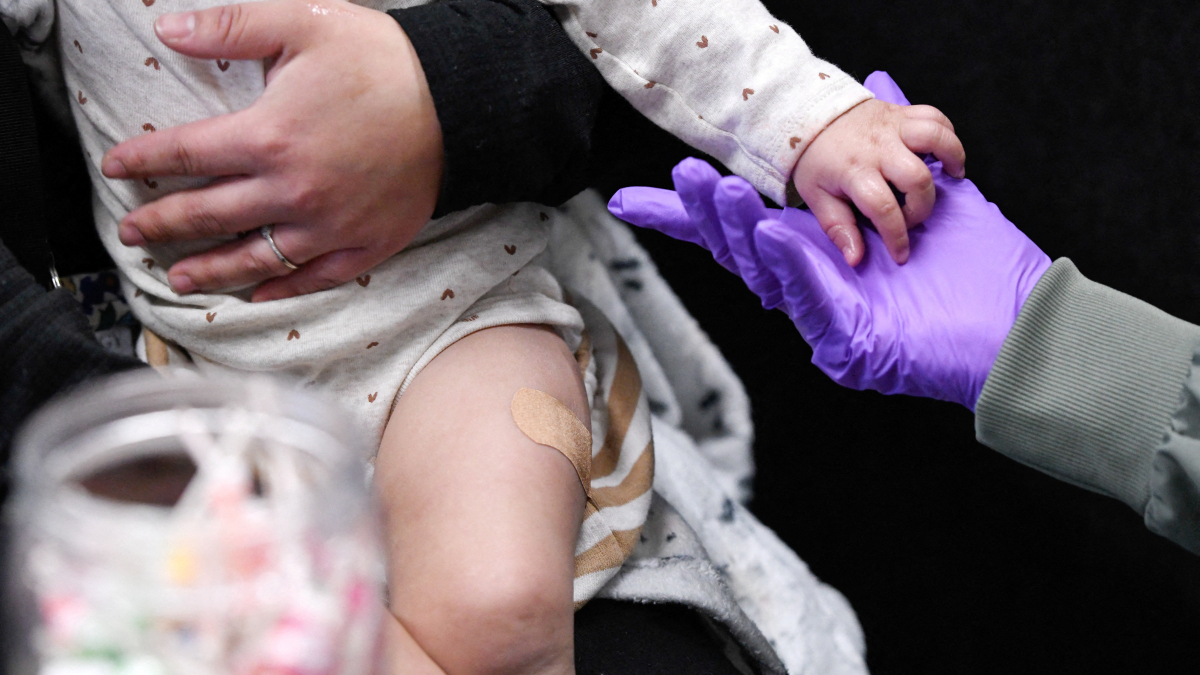
The tools are well established. Two doses of the measles, mumps and rubella (MMR) vaccine prevent the disease in 97 per cent of cases. The WHO says 95 per cent of the population needs both doses for herd immunity, which shields people too young or otherwise unable to be vaccinated.
For parents of infants, the change is concrete, said Daniel Jernigan, who formerly led the CDC’s National Center for Emerging and Zoonotic Infectious Diseases.
“For most people, losing measles elimination status may seem like something that doesn’t affect them. But if you’re a parent of a baby under a year old, your life is going to change,” he said.
“You’ll need to be more cautious of being in crowds or travelling on a plane to grandparents since the risk of your baby coming in contact with someone with measles will be getting increasingly higher.”
Mexico and Bolivia turning the corner
Both of the other countries that lost their status say they are making headway.
Bolivia’s Health Minister Marcela Flores said cases had dropped 83 per cent this year, crediting vaccination, contact tracing, border controls and community surveillance. “We are confident that Bolivia will once again be a measles-free country,” she said.
In Mexico, officials said more than 40.9 million doses had been given and vaccine coverage had reached 90 per cent. The government said it was close to declaring its outbreak over.
Read more:













What is your opinion on this topic?
Leave the first comment