Measles cases across Europe and Central Asia fell sharply in 2025 compared to the previous year but health officials have warned that the risk of fresh outbreaks remains unless vaccination gaps are urgently addressed.
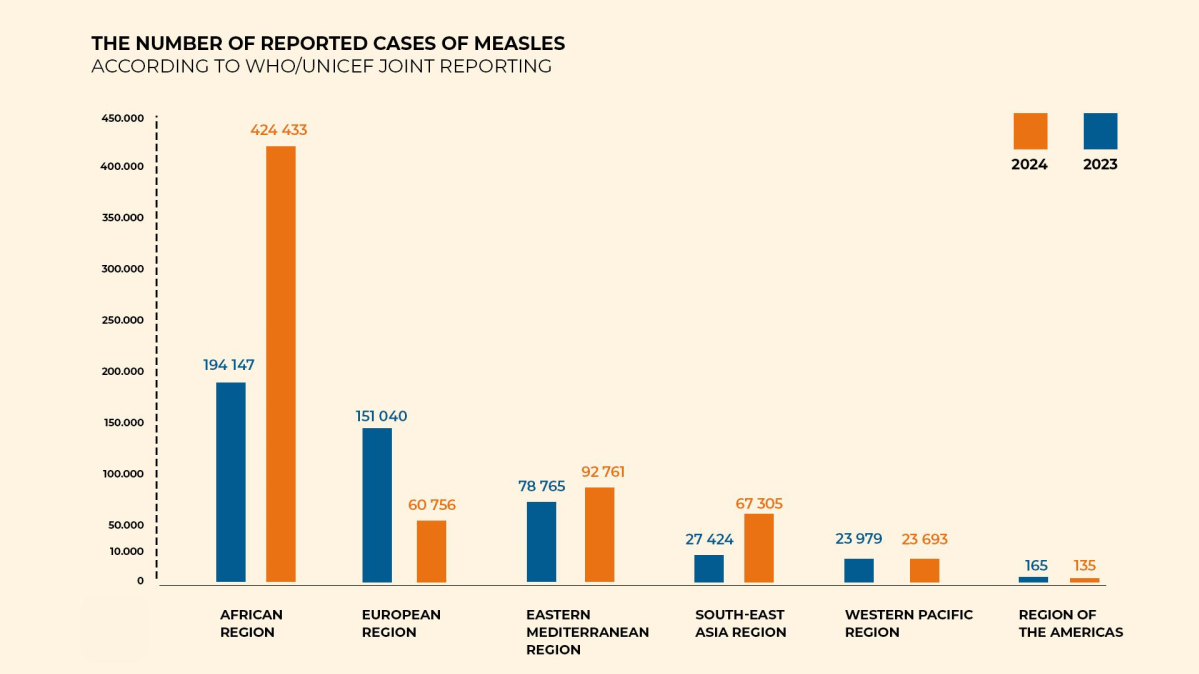
According to preliminary data from 53 countries in the WHO European Region, 33,998 measles cases were reported in 2025 - a nearly 75% fall from 127,412 confirmed infections in 2024.
WHO and UNICEF said the decline reflects outbreak response measures and a gradual reduction in the number of people susceptible to infection after the virus spread through under-vaccinated communities.
Despite the drop, 2025 case numbers still exceeded those reported in most years since 2000 and some countries recorded more cases than in 2024. Measles infections have also continued to be detected in 2026.
“While cases have reduced, the conditions that led to the resurgence of this deadly disease in recent years remain and must be addressed,” said UNICEF Regional Director for Europe and Central Asia Regina De Dominicis.
She warned that unless all children are reached with vaccination and misinformation is tackled, they will remain at risk of serious illness or death.
WHO Regional Director for Europe Dr Hans Henri P. Kluge said more than 200,000 people in the region had fallen ill with measles over the past three years. He stressed that every community must reach 95% vaccination coverage with two doses to close immunity gaps and prevent further spread.
In September 2025, the European Regional Verification Commission for Measles and Rubella Elimination reported that the number of countries with continuing or re-established endemic measles transmission rose to 19 in 2024, up from 12 the previous year, which marks a significant setback.
Regional statistics
In the South Caucasus, Armenia reported 561 measles cases in 2024, slightly higher than 554 in 2023. Azerbaijan recorded 18,584 cases in 2024, up from 13,207 a year earlier, while Georgia reported 350 cases in 2024 compared to 39 in 2023.
Local media in Kazakhstan’s Western regions, in the past week, reported a sharp increase in measles.
Regional health authorities said 57 people have been hospitalised with measles since the start of the year, of whom 38 have been discharged. Nineteen patients remain in hospital, including 18 children and one adult. Two children are being treated in intensive care, with all patients under medical supervision, the regional health department said.
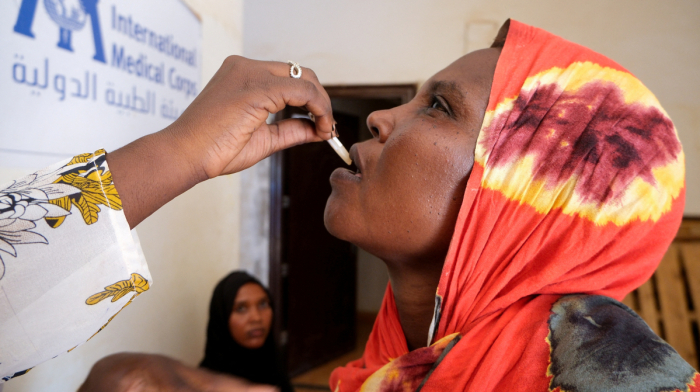
Measles is one of the most contagious human viruses, with one infected person able to transmit it to up to 18 unvaccinated individuals. Two doses of measles-containing vaccine provide up to 97% lifelong protection and 95% coverage is required to achieve herd immunity.

















What is your opinion on this topic?
Leave the first comment