The Kremlin is utilising the recent United States and Israeli military strikes on Iran to validate its ongoing war in Ukraine. Russian officials are pointing to the escalation in the Middle East as evidence that Western nations do not adhere to international rules.
Political analysts note that the Russian leadership is framing the invasion of Ukraine as a necessary preemptive measure. They believe that by highlighting the strikes on Tehran, Moscow aims to reinforce its narrative that it acted defensively to avoid a similar fate at the hands of Western powers.
High-ranking figures, such as Russian Security Council Deputy Chairman Dmitry Medvedev, have used the situation to discredit American diplomacy. Medvedev argued that the recent events demonstrate the pointlessness of negotiating with Washington, hoping this message will resonate with Russia's international allies.
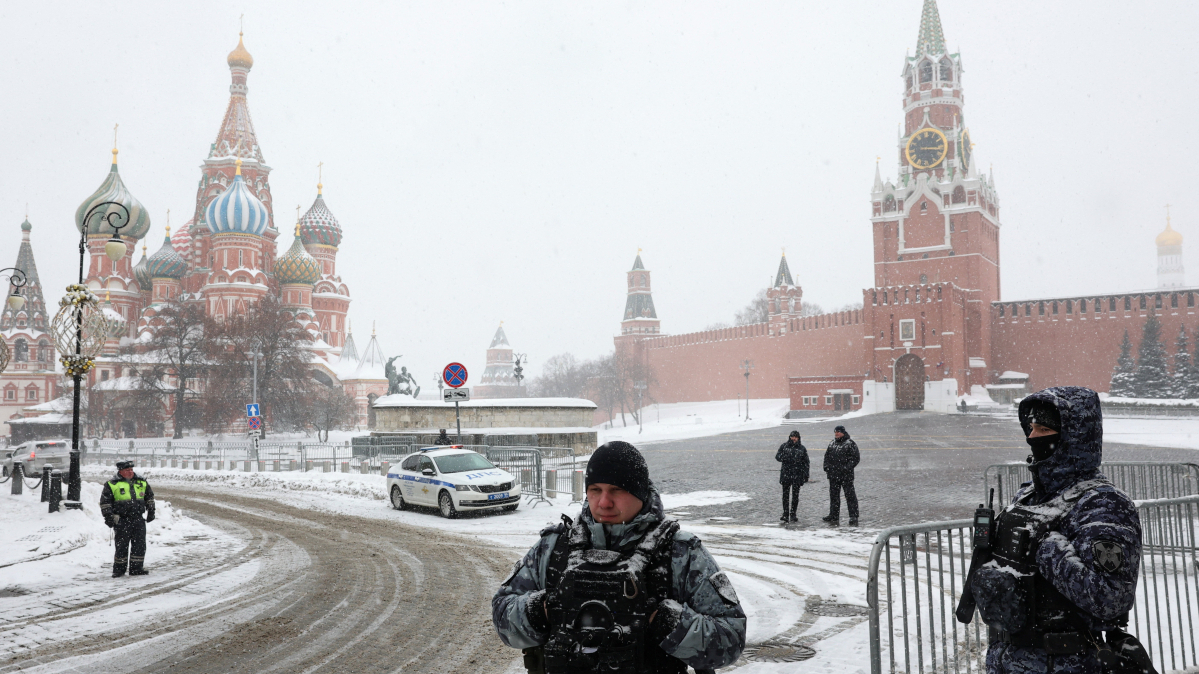
The Kremlin said on Monday (2 March) that Russia was in constant contact with the Iranian leadership about what it called the "outright aggression" against Tehran.
Kremlin spokesman Dmitry Peskov said that Russia was also in touch with the leadership of other countries that had been affected by the conflict, specifically those in the Gulf region.
"We are in constant contact with Iran’s leadership and are discussing the situation around the country. At the same time, we continue our dialogue with the leaders of the states affected by the conflict, including the countries of the Persian Gulf," said Peskov.
"As for the talks mediated by Oman between the United States and Iran, we can only express deep disappointment that, despite reports of significant progress in those negotiations, the situation nevertheless deteriorated to outright aggression," he added.
Strategic distance
Despite signing a strategic partnership agreement with Iran in 2025, Moscow has signalled no intent to intervene militarily in the current Middle East conflict. Russian officials have clarified that their bilateral agreement does not include a mutual defence clause.
The Kremlin's decision to maintain a strategic distance comes as it continues to rely on Iranian-supplied weaponry, such as Shahed drones and ballistic missiles, for its operations in Ukraine. Ukrainian President Volodymyr Zelenskyy recently voiced support for the strikes on Iran, labelling the country an accomplice for providing Moscow with military technology.
Diverting Western resources
Observers suggest that a prolonged conflict in the Middle East could ultimately serve Russian interests. The Kremlin anticipates that the crisis will divert U.S. attention and military resources away from Eastern Europe.
Analysists believe that a sustained shift in American focus could ease international pressure on Russian forces and potentially weaken Western financial and military support for Kyiv. This dynamic may allow Moscow to intensify its operations on the Ukrainian front while diplomatic efforts remain concentrated on stabilising the Middle East.
However, the Kremlin said that it was in Russia's own interests to continue peace talks with Ukraine and that Moscow's preference was still to reach a diplomatic settlement to end the fighting.
Peace talks have appeared deadlocked in recent weeks over Russia's insistence that Ukraine hand over the remaining part of its eastern Donbas region which Moscow does not control, an idea Ukrainian President Volodymyr Zelenskyy has repeatedly rejected.












What is your opinion on this topic?
Leave the first comment