Thousands of people gathered across Europe and beyond over the weekend in solidarity with Ukraine, as the war with Russia entered its fifth year.
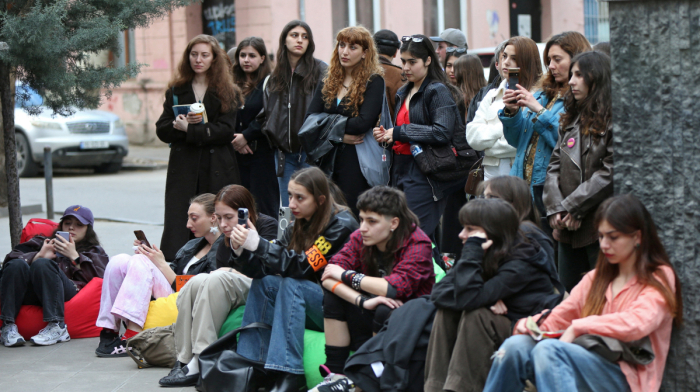
From Milan to Budapest, and from Istanbul to Barcelona, demonstrators filled city streets to mark four years since Russia’s full-scale invasion. Protesters said the conflict must not be normalised, even as diplomatic efforts attempt to restart negotiations.
In Milan, activists condemned the decision to allow Russian and Belarusian athletes to compete in the upcoming Paralympic Games. One protester, Vlad Sadilov, said the move felt like an attempt to erase four years of war and the thousands of deaths Ukraine has endured, arguing that sport cannot be separated from a conflict of such magnitude.
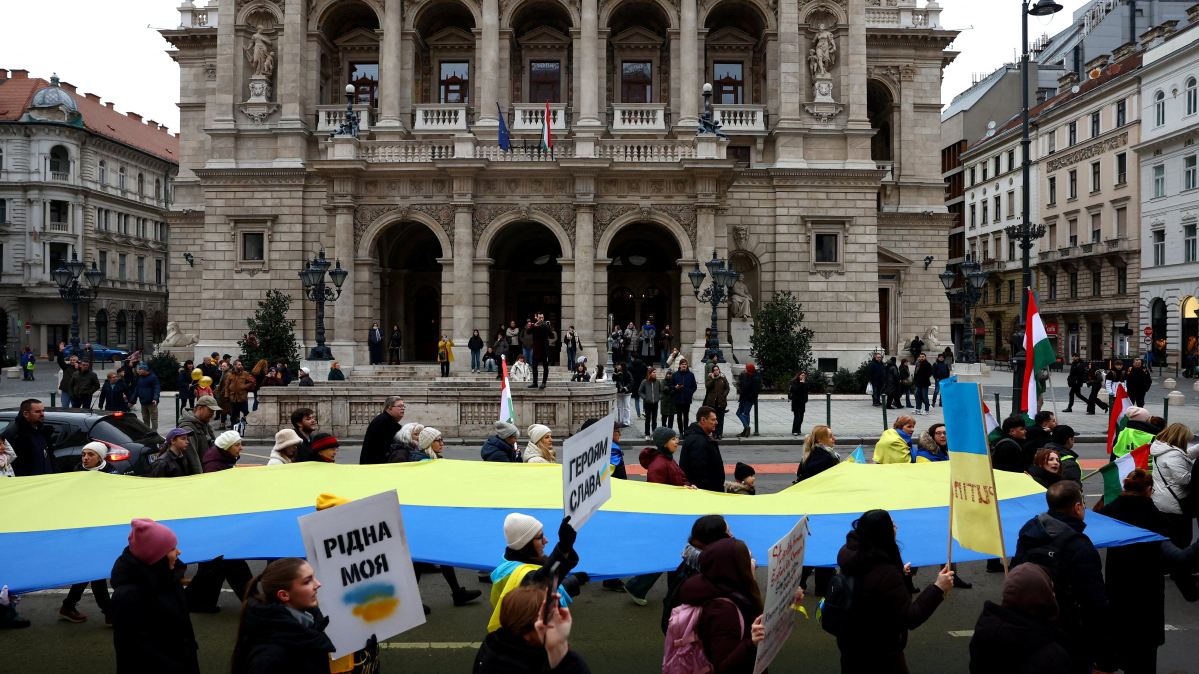
In Budapest, around a thousand Hungarians and Ukrainian expatriates marched as the issue became increasingly entangled in domestic politics ahead of Hungary’s parliamentary elections.
Prime Minister Viktor Orbán has framed the vote as a choice between “war or peace”, but demonstrators rejected that narrative.
Anna Marmarosi, one of the participants, said she had expected Ukraine to become a political target during the campaign. However, she added that public understanding of the conflict had not fundamentally changed, stressing that the war was started by Russia and that responsibility for its continuation rests with Moscow.
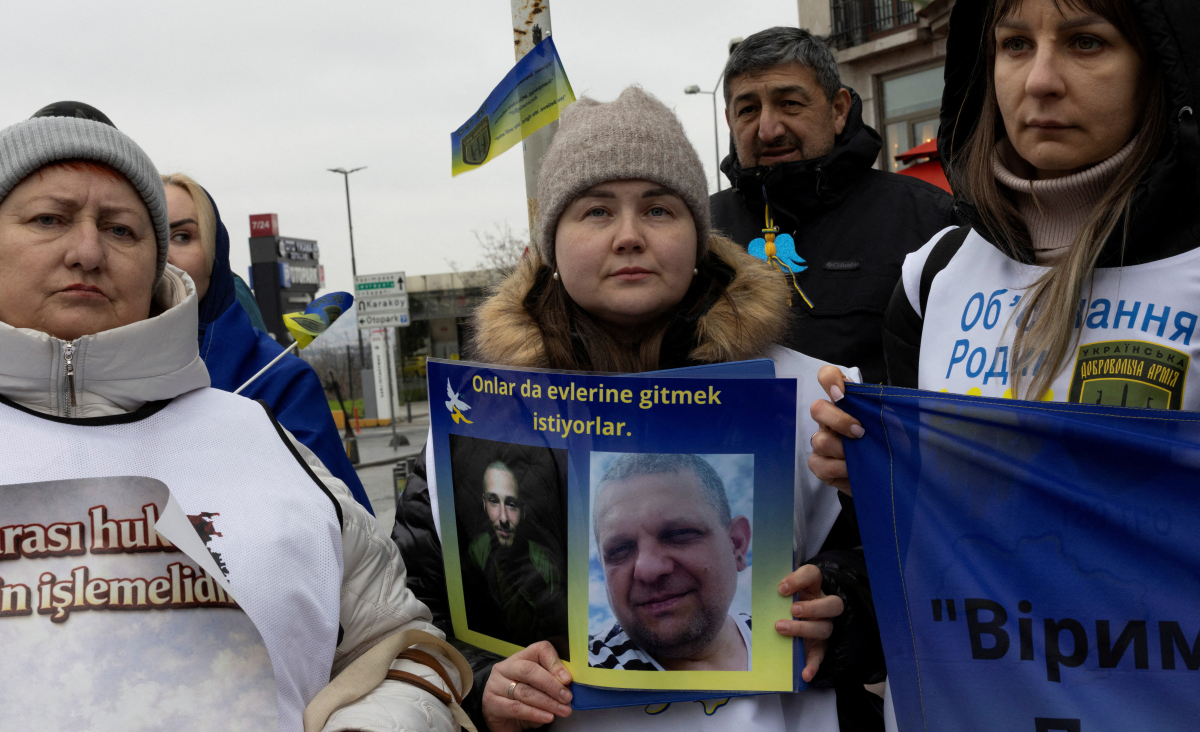
In Istanbul, dozens of Ukrainians held a memorial for missing and captive soldiers, kneeling in silence and holding photographs of loved ones who have not returned.
Meanwhile, in Madrid and Barcelona, thousands marched under banners reading “Ukraine defends us all” and “Four years still fighting for freedom.”
Among them was Ukrainian demonstrator Alina, who said she was there for those suffering in Ukraine - for families torn apart, for those who had lost their homes, and for the men and women on the front lines fighting for freedom and basic rights.
Nation in Mourning
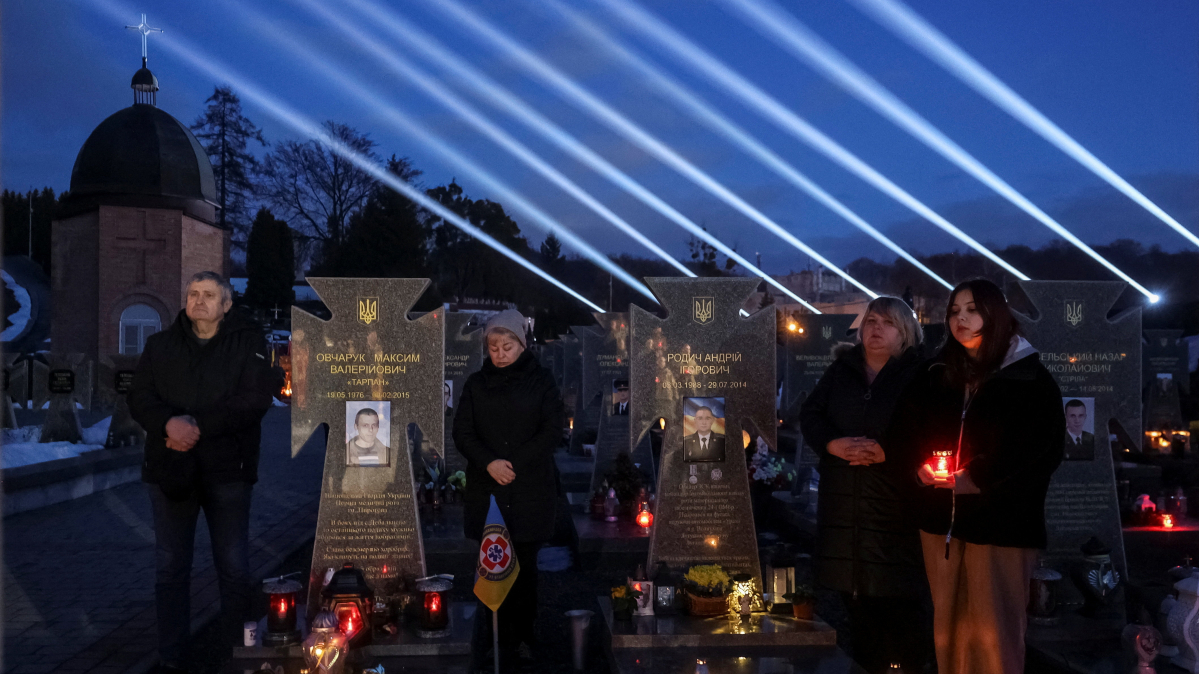
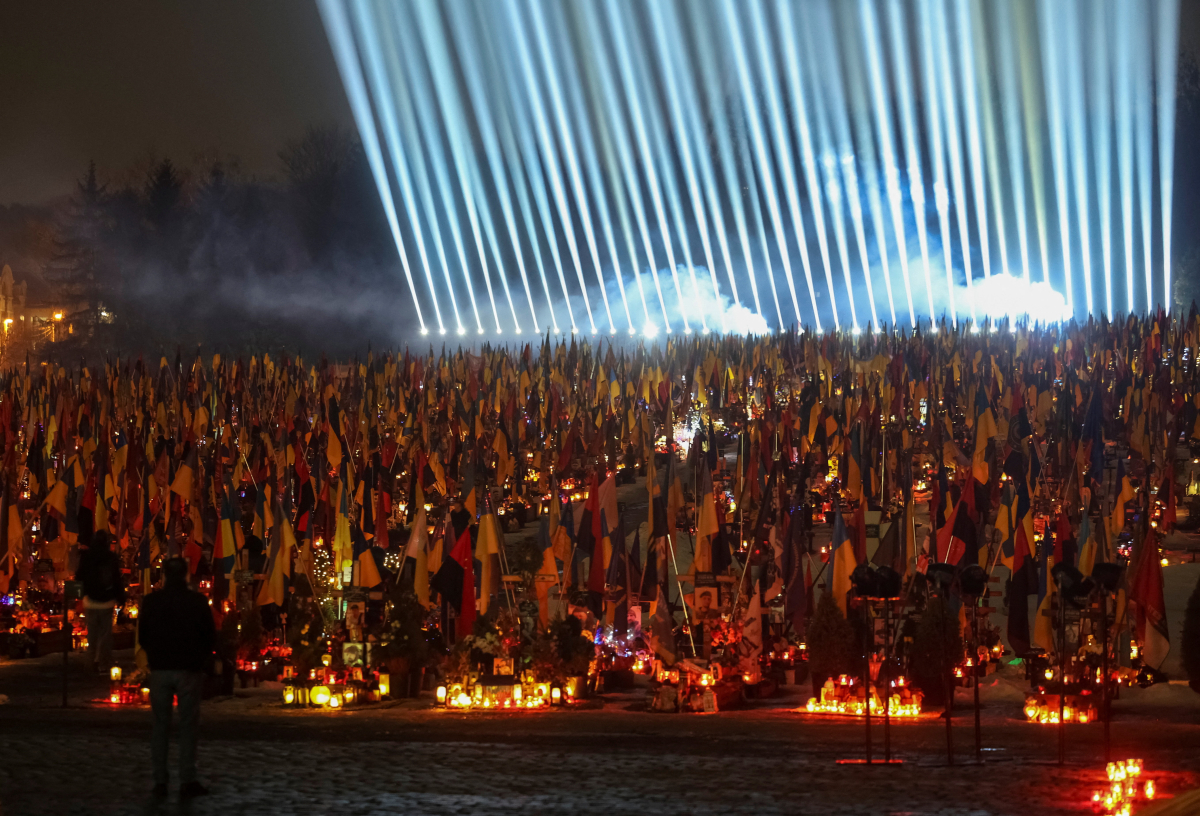
In Lviv, beams of light pierced the evening sky above the graves of Ukrainian soldiers as residents gathered at the Marsove Pole cemetery to honour those killed in the war.
On the eve of the invasion’s fourth anniversary, hundreds of mourners carrying candles walked past rows of flags and portraits marking the resting places of the fallen. Families crossed themselves, wept and observed a minute of silence during a religious ceremony led by priests.
Mariia Davydova, whose husband was killed in the war, said she clings to the belief that his sacrifice - and that of so many others - was not in vain. She said she believes those who died did so for Ukraine’s future, expressing hope that truth would ultimately prevail and that life would one day return to what it once was.
Another Lviv resident, Roman Skabara, reflected on the uncertainty surrounding prospects for peace. He said that however much people may long for an end to the war, and regardless of any concessions that might be made, it remains impossible to predict the intentions of Russian President Vladimir Putin - leaving many unsure what the future holds.
Mounting human cost
As the war moves deeper into its fifth year, the scale of loss continues to grow.
The Center for Strategic and International Studies estimates around 1.2 million Russian battle casualties, including approximately 325,000 killed. Ukrainian casualties are estimated at between 500,000 and 600,000, with up to 140,000 deaths.
Ukrainian President Volodymyr Zelenskyy said earlier this month that 55,000 Ukrainian soldiers had been killed since the start of the invasion.
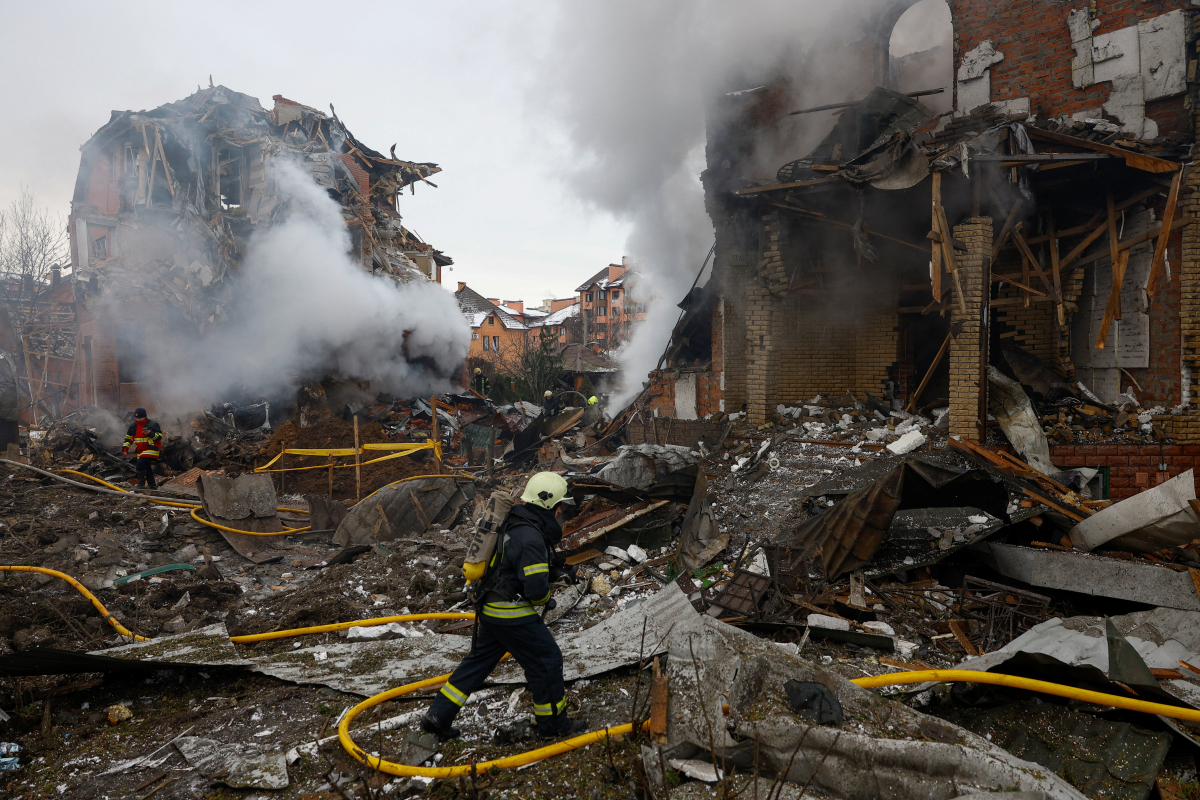
Russia continues to launch drone and missile strikes, including attacks on Ukraine’s energy infrastructure, part of what Kyiv describes as a campaign aimed at weakening the country’s resilience.
Fresh negotiations between Russia and Ukraine are expected to resume in Geneva on 26 February. Yet despite renewed diplomatic efforts, fighting continues, underscoring how distant any lasting settlement still appears.
Four years on, the war remains both a battlefield conflict and a defining test for Europe’s security and unity.











What is your opinion on this topic?
Leave the first comment